Loading conditions…
← Back to MyCodex
Blue MeaniesPanaeolus cyanescens

Edibility
Toxic
Lookalike Danger
3 / 5
Habitat
🌱 Tropical pasture
Season
Jun – Nov🌱 Now
"Pale gray-white cap that bruises deep blue when handled. Tropical grass pastures; well-established in FL and TX cow country. More potent than P. cinctulus."
🌳 Host Trees & Plants
This species is found with or partners with the following hosts. Ectomycorrhizal hosts (green border) form a root-level partnership; ericoid / arbutoid shrubs (purple border) share the same mycorrhizal networks.
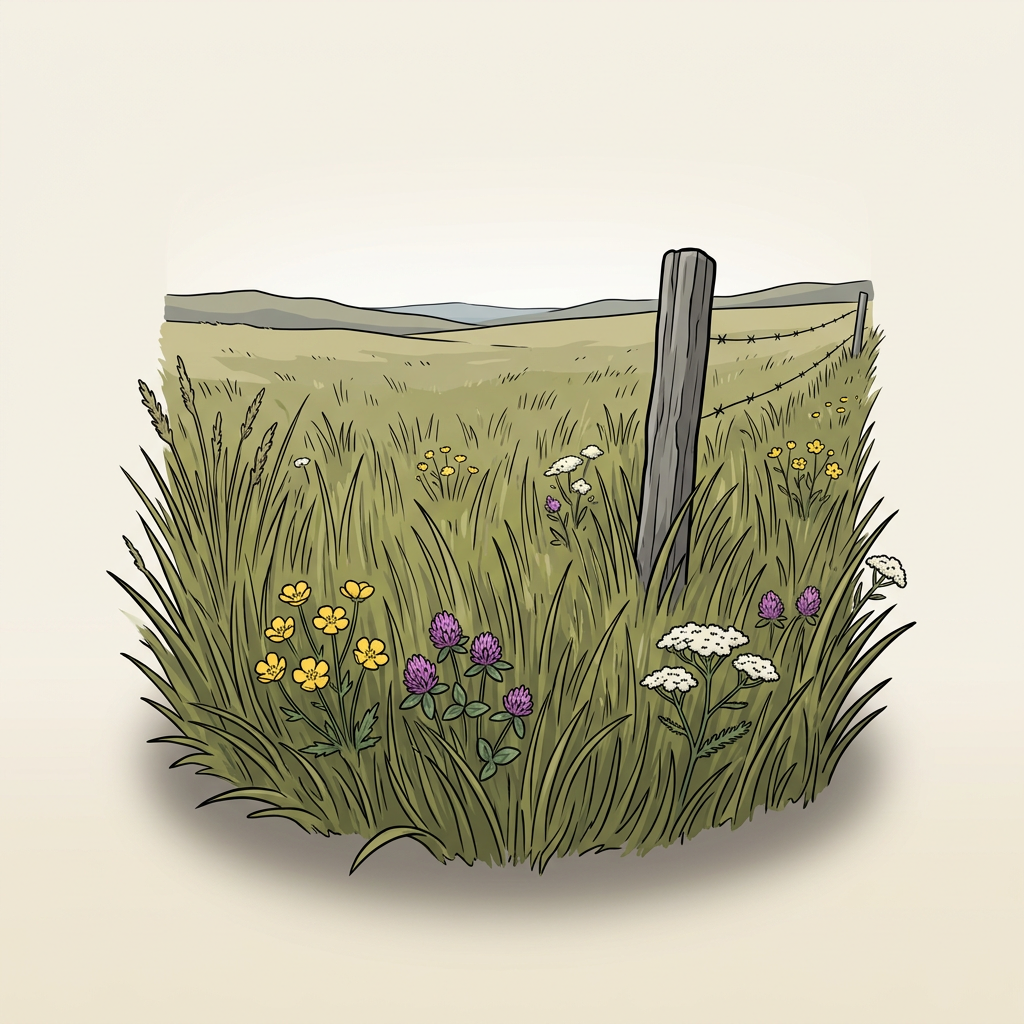
Old Pasture / Meadow
Unimproved grassland
Saprobic substrate
Old pasture and unimproved meadow — waxcap indicator habitat, meadow mushroom, fairy ring champignon, giant puffball.
Pale gray-white cap that bruises deep blue when handled — common name comes from the dramatic blue color change. Native to tropical and subtropical pastures worldwide; well-established in Florida and Texas cow country. Higher psilocybin content than Panaeolus cinctulus.
Habitat
Tropical and subtropical grass pastures, especially on cow dung. In the US, found year-round in southern Florida and Texas; summer/fall further north along the Gulf Coast.
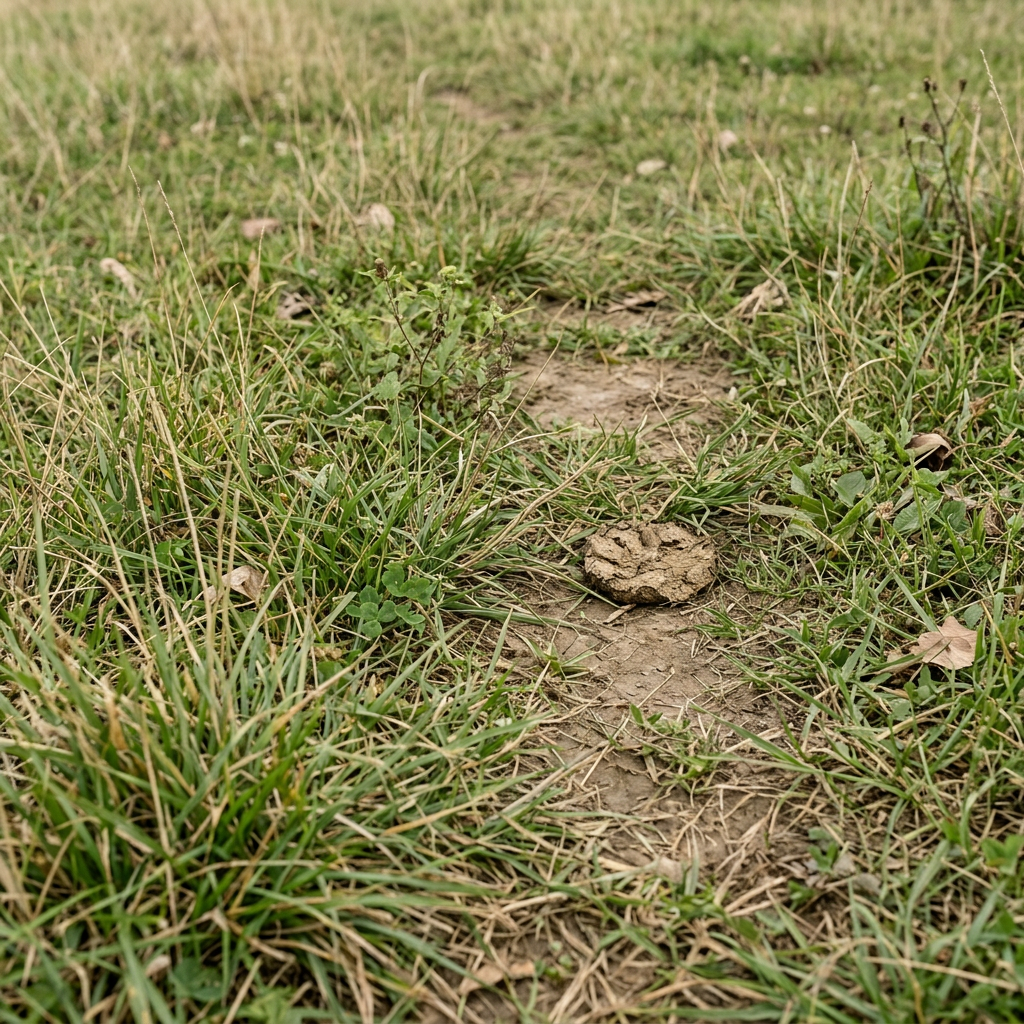
Look for this on the ground
Open pasture grass
Cropped grass with clover, occasional cow pat, bare foot trails.
Season Windows by Region
Region
Jan
Feb
Mar
Apr
May
Jun
Jul
Aug
Sep
Oct
Nov
Dec
Great Smoky Mountains
TN · 900–6,643 ft
Chattahoochee National Forest
GA · 1,200–4,784 ft
Apalachicola National Forest
FL · 10–300 ft
Ocala National Forest
FL · 20–200 ft
Myakka / Southwest Florida
FL · 5–100 ft
Sam Houston NF
TX · 80–350 ft
Big Thicket
TX · 50–400 ft
Davy Crockett NF
TX · 200–500 ft
Bankhead NF
AL · 600–1,100 ft
Talladega NF
AL · 700–2,407 ft
Sumter NF (Andrew Pickens)
SC · 800–3,500 ft
Conecuh NF
AL · 200–400 ft
Mobile-Tensaw Delta
AL · 0–50 ft
Okefenokee / SE GA
GA · 100–200 ft
Blackwater / FL Panhandle
FL · 50–300 ft
Red Hills / Thomasville GA
GA · 200–450 ft
Nantahala NF / Western NC
NC · 1,800–5,500 ft
Lost Pines / Bastrop
TX · 300–700 ft
Coastal Bend / Lake Corpus Christi
TX · 50–400 ft
Growing Requirements
Min Soil Temp
65°F
Moisture Need
rain 0.5in 7d
Drought Tolerance
moderate
Elevation Range
0–6,643 ft
Commonly Mistaken For
Species people confuse with this one — often the edible they were hunting for. Each is tagged with its own edibility; Blue Meanies is the dangerous one.
Psilocybe cubensis
PsychoactiveSame dung habitat. P. cubensis cap is golden-tan with an umbo; Panaeolus cyanescens cap is paler gray-white.
Panaeolus antillarum
Not dangerousTropical dung Panaeolus, not psychoactive. Larger, whiter cap; does not bruise blue.
Identification Tips
- ✓Bluing is dramatic and rapid — strongest of the Panaeolus species
- ✓Pale cap with cracked sun-baked appearance when mature
- ✓Dung substrate in tropical climates
Field Notes
Tropical pasture
Found Blue Meanies?
Photograph it and log your observation on iNaturalist. The community can help confirm your ID — always get confirmation before eating.
Safety: Never eat any wild mushroom without 100% certain identification from multiple sources. This page is for informational purposes only. When in doubt, throw it out.