Loading conditions…
← Back to MyCodex
False Morel (Gyromitra)Gyromitra esculenta / Gyromitra gigas

Edibility
Toxic
Lookalike Danger
4 / 5
Habitat
⚠️ Conifer
Season
Apr – May
"Brain-shaped, not honeycomb. Contains monomethylhydrazine — rocket fuel. Scandinavians eat them boiled; US says don't."
⚠️ Do Not Confuse With
1 lethal confusionMushroom ID is a rule-out game. Every entry below describes a species that looks similar — learn the differences before you put one in a basket.

✓ Edible
☠️ Lethal if confusedTrue morels have HONEYCOMB-PITTED caps and are HOLLOW end-to-end. False morels (Gyromitra) have BRAIN-LIKE WRINKLED caps and are SOLID or chambered inside. Gyromitra contains MMH — potentially lethal even after cooking.
🌳 Host Trees & Plants
This species is found with or partners with the following hosts. Ectomycorrhizal hosts (green border) form a root-level partnership; ericoid / arbutoid shrubs (purple border) share the same mycorrhizal networks.
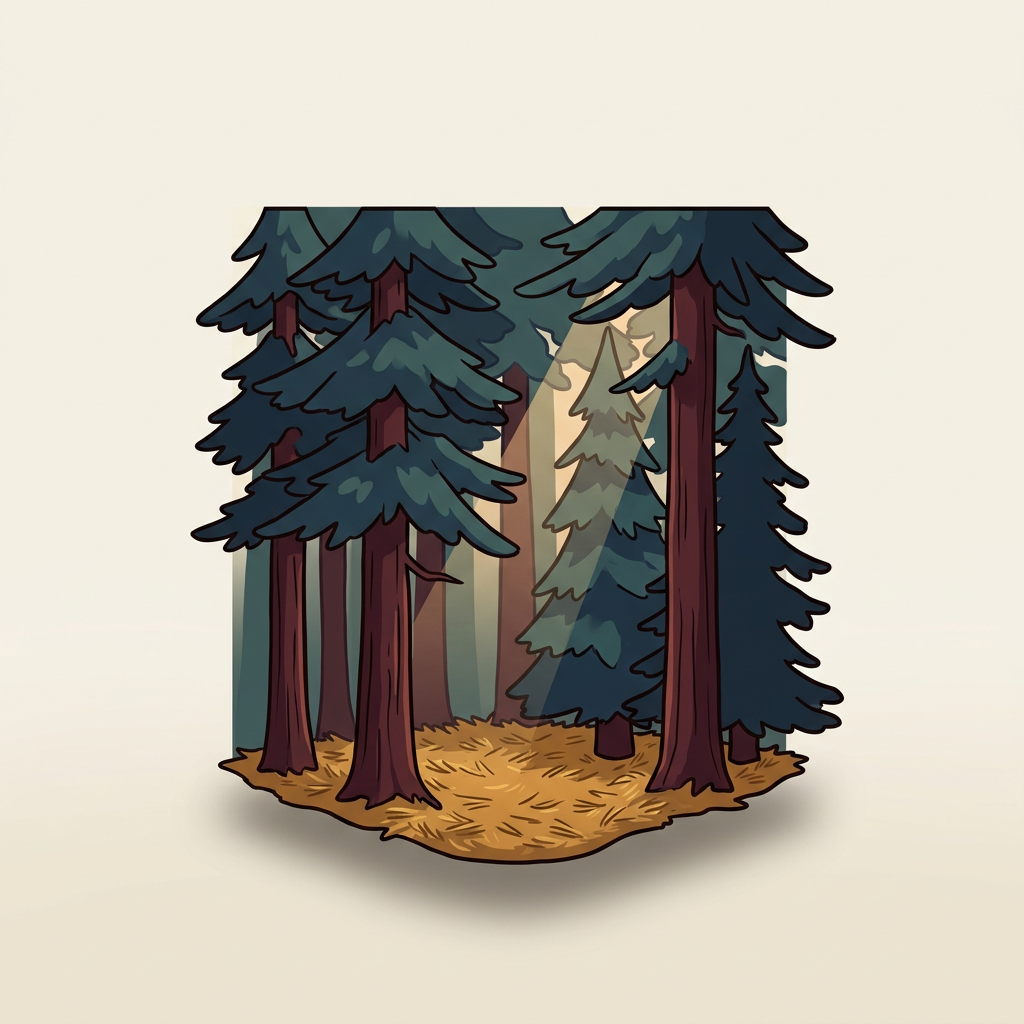
Conifer Forest
Pinaceae (generic)
Ectomycorrhizal
Generic conifer habitat — pine, spruce, fir, hemlock, or Douglas-fir. Shown when the species is reported from conifers without a specific tree.
Brain-like or saddle-shaped cap with irregular wrinkles and folds (NOT a honeycomb pattern). Contains gyromitrin, a toxin that metabolizes into monomethylhydrazine. Has caused fatalities.
Habitat
Coniferous forests, often near decaying wood. Overlaps with true morel season and habitat, making misidentification a serious risk.
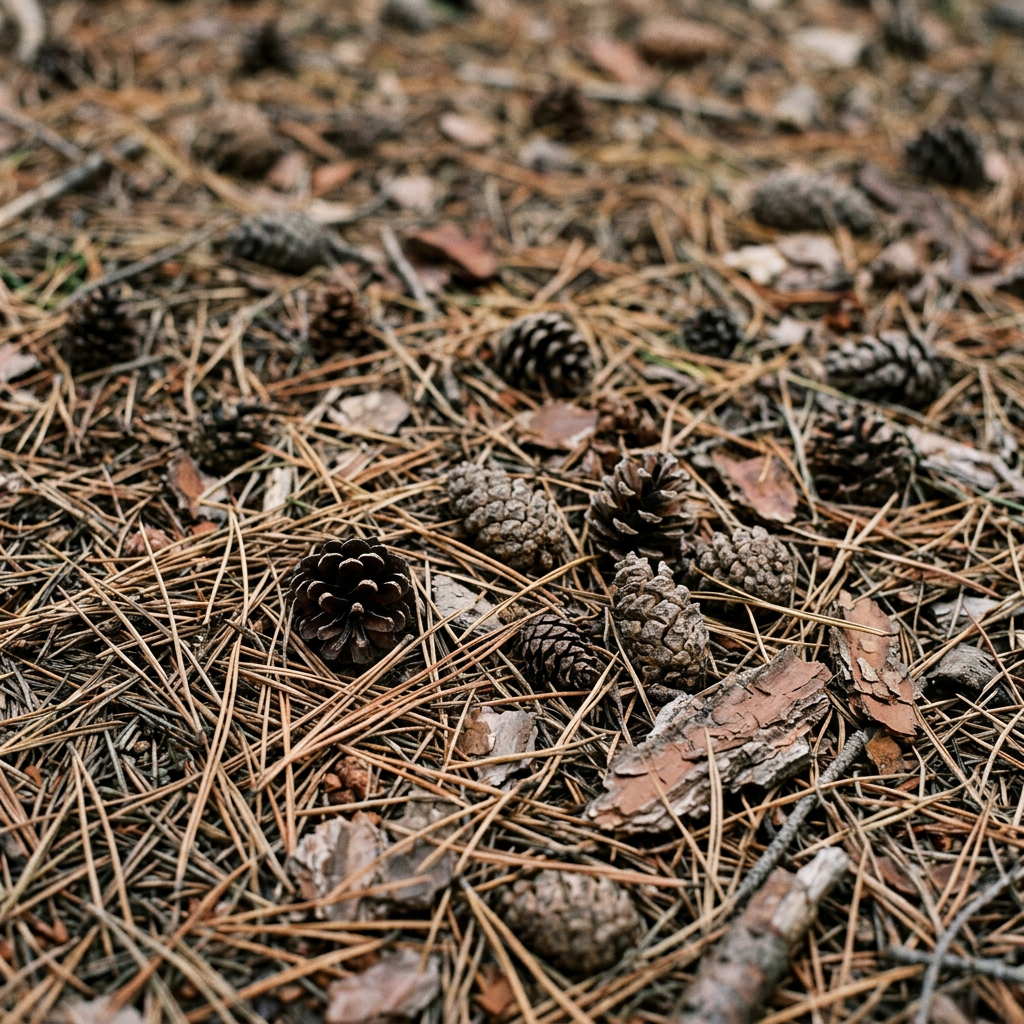
Look for this on the ground
Mixed conifer duff
Layered pine and fir needles, assorted cones, dry needle mat.
Season Windows by Region
Region
Jan
Feb
Mar
Apr
May
Jun
Jul
Aug
Sep
Oct
Nov
Dec
Glacier / Flathead NF
MT · 3,500–8,500 ft
Bitterroot / Sapphire
MT · 3,500–9,000 ft
Helena / Big Belts
MT · 4,000–8,500 ft
Gallatin / Madison
MT · 5,500–10,500 ft
Beartooth / Absaroka
MT · 5,000–12,000 ft
Sawtooth / Stanley Basin
ID · 6,000–10,500 ft
White Mountains / Apache-Sitgreaves
AZ · 6,500–11,400 ft
Clear Creek Canyon / Mayhem Gulch
5,500–8,500 ft
Jones Pass Road
8,000–11,000 ft
Gordon Gulch / Nederland
7,000–9,000 ft
Kenosha Pass
8,000–10,500 ft
Guanella Pass Corridor
9,000–12,000 ft
Vasquez Creek / Winter Park
8,500–11,000 ft
Gunnison NF North — Crested Butte
8,500–12,000 ft
Gunnison NF South — Almont/Pitkin
8,000–11,000 ft
Cottonwood Pass
9,000–12,000 ft
San Juan NF — Pagosa Corridor
7,500–11,000 ft
Ruby Mountains
NV · 6,000–11,387 ft
Spring Mountains / Mt Charleston
NV · 6,000–11,916 ft
Jarbidge Wilderness
NV · 6,500–10,839 ft
San Juan NF — Silverton/Durango
8,000–12,000 ft
Grand Mesa
9,000–11,000 ft
Glenwood Canyon / White River NF
6,500–9,500 ft
Vail / Eagle County
8,000–11,000 ft
Steamboat / Routt NF
7,000–10,000 ft
Pike NF South / Tarryall
7,500–10,500 ft
Royal Gorge / Wet Mountains
6,500–9,500 ft
Leadville / Arkansas Headwaters
9,000–12,000 ft
Poudre Canyon / Roosevelt NF
6,500–10,000 ft
Rampart Range / Palmer Divide
7,000–9,500 ft
Clearwater Mountains
ID · 2,500–7,500 ft
Boise Mountains
ID · 4,000–9,500 ft
Salmon River / Lemhi
ID · 4,500–10,000 ft
Sun Valley / Wood River
ID · 5,500–10,500 ft
Bighorn Mountains
WY · 5,500–13,000 ft
Bridger-Teton / Tetons
WY · 6,000–13,500 ft
Wind River Range
WY · 7,000–13,800 ft
Absaroka / Shoshone NF
WY · 6,000–12,500 ft
North Cascades
WA · 1,500–8,000 ft
Central Cascades / Snoqualmie
WA · 1,500–7,000 ft
Olympic Peninsula
WA · 500–6,000 ft
Gifford Pinchot / South Cascades
WA · 1,000–8,000 ft
Okanogan Highlands
WA · 2,500–7,500 ft
Mt Hood / North Oregon Cascades
OR · 2,000–8,000 ft
Central Oregon / Deschutes
OR · 3,500–9,000 ft
South Cascades / Klamath
OR · 4,000–9,000 ft
Wallowa Mountains
OR · 3,500–9,500 ft
Blue Mountains
OR · 4,000–8,000 ft
Wasatch Mountains
UT · 5,500–11,500 ft
Uinta Mountains
UT · 7,000–13,500 ft
Manti-La Sal
UT · 6,000–12,700 ft
Sangre de Cristo / Carson NF
NM · 7,000–13,100 ft
Jemez / Santa Fe NF
NM · 6,500–11,200 ft
Santa Fe / Pecos Wilderness
NM · 7,000–12,600 ft
Gila NF / Black Range
NM · 5,500–10,800 ft
Coconino / Flagstaff
AZ · 6,500–10,000 ft
Kaibab Plateau / North Rim
AZ · 6,500–9,200 ft
Northern Sierra / Tahoe
CA · 5,000–9,000 ft
Central Sierra / Alpine
CA · 6,000–11,000 ft
South Sierra / El Dorado
CA · 5,000–9,500 ft
Northeast CA / Modoc-Lassen
CA · 4,500–8,500 ft
Snake Range / Great Basin
NV · 6,000–13,063 ft
Monongahela National Forest
WV · 1,500–4,863 ft
Allegheny National Forest
PA · 1,000–2,300 ft
Pocono Mountains
PA · 800–2,200 ft
Great Smoky Mountains
TN · 900–6,643 ft
Apalachicola National Forest
FL · 10–300 ft
Ocala National Forest
FL · 20–200 ft
Western Maine
ME · 400–4,170 ft
Northern Maine
ME · 500–5,267 ft
White Mountains
NH · 800–6,288 ft
Green Mountains
VT · 800–4,393 ft
Northeast Kingdom
VT · 600–3,300 ft
Black Hills NF
SD · 3,200–7,242 ft
Custer NF / Slim Buttes
SD · 3,000–4,000 ft
Pine Ridge / Oglala NG
NE · 3,400–5,000 ft
Ouachita NF (OK)
OK · 600–2,500 ft
Ouachita NF (AR)
AR · 600–2,700 ft
Superior NF / BWCA
MN · 1,300–2,301 ft
Chippewa NF
MN · 1,200–1,500 ft
Croatan NF
NC · 0–150 ft
Adirondacks
NY · 1,000–5,344 ft
Cherokee NF
TN · 1,000–6,285 ft
Blackwater / FL Panhandle
FL · 50–300 ft
MN North Shore / Sawtooth
MN · 600–2,301 ft
NJ Pine Barrens
NJ · 0–200 ft
Cape Cod National Seashore
MA · 0–306 ft
Mon NF South / Cranberry Wilderness
WV · 2,500–4,863 ft
Western NY / Allegany SP
NY · 1,500–2,300 ft
Pine Creek / North-Central PA
PA · 1,000–2,300 ft
Nebraska NF / Bessey (Sandhills)
NE · 2,500–3,200 ft
Mount Blue Sky / Echo Lake
9,000–11,700 ft
Growing Requirements
Min Soil Temp
50°F
Moisture Need
rain 0.5in 7d
Drought Tolerance
moderate
Elevation Range
0–13,800 ft
Commonly Mistaken For
Species people confuse with this one — often the edible they were hunting for. Each is tagged with its own edibility; False Morel (Gyromitra) is the dangerous one.
Morchella spp. (True Morel)
EdibleChoice edible — the one you WANT to find. Regular honeycomb cap pattern, completely hollow inside.
Identification Tips
- ✓NEVER eat Gyromitra species — toxicity varies by individual and preparation
- ✓Key difference: brain-like wrinkles vs. honeycomb pits
- ✓Slice in half: false morels have chambered/solid interior, true morels are hollow
- ✓Some cultures parboil and eat them, but this does NOT reliably remove all toxin
Field Notes
Conifer
Found False Morel (Gyromitra)?
Photograph it and log your observation on iNaturalist. The community can help confirm your ID — always get confirmation before eating.
Safety: Never eat any wild mushroom without 100% certain identification from multiple sources. This page is for informational purposes only. When in doubt, throw it out.