Loading conditions…
← Back to MyCodex
Flying SaucerPsilocybe azurescens

Edibility
Toxic
Lookalike Danger
4 / 5
Habitat
🌱 Dune grass, driftwood
Season
Sep – Jan🌱 Now
"Discovered by Paul Stamets near Astoria, Oregon. Among the most potent Psilocybes by dry weight. Dune grass and driftwood at the Pacific tide line."
🌳 Host Trees & Plants
This species is found with or partners with the following hosts. Ectomycorrhizal hosts (green border) form a root-level partnership; ericoid / arbutoid shrubs (purple border) share the same mycorrhizal networks.
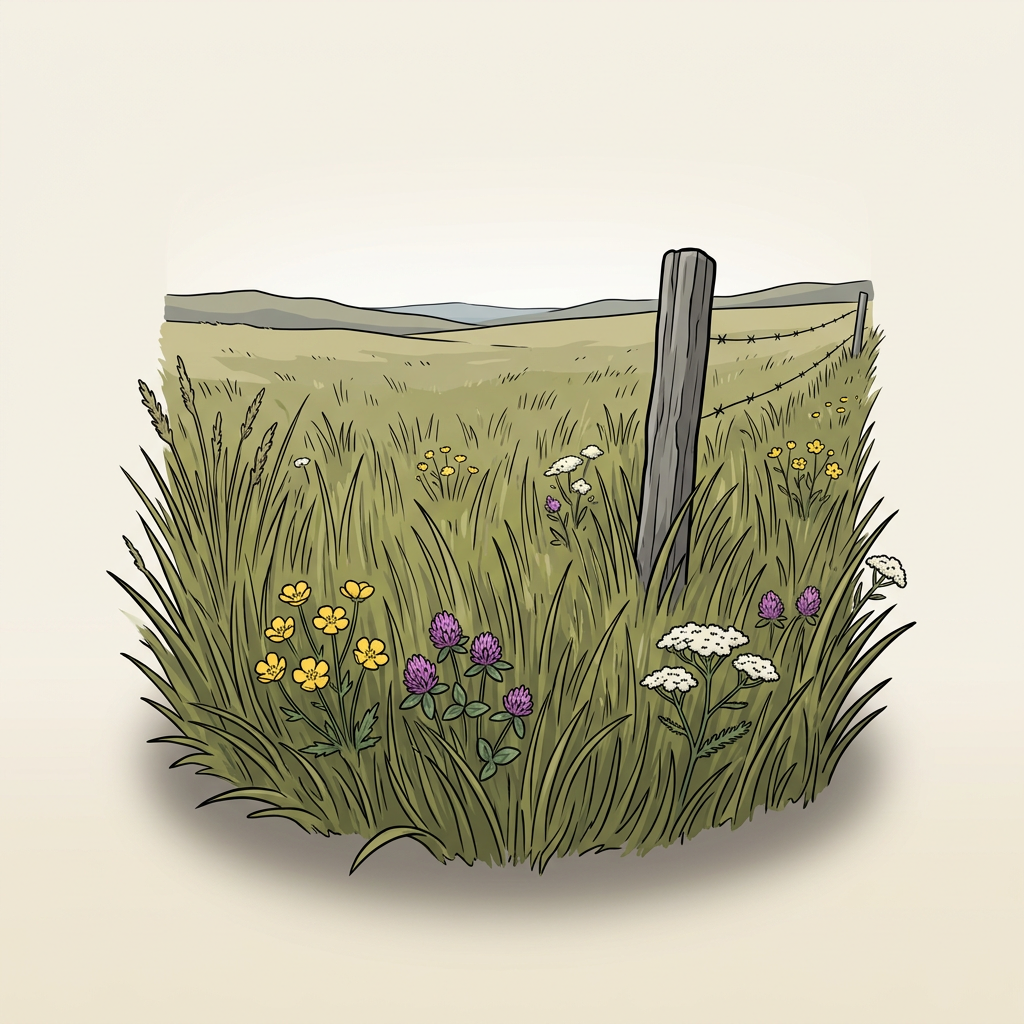
Old Pasture / Meadow
Unimproved grassland
Saprobic substrate
Old pasture and unimproved meadow — waxcap indicator habitat, meadow mushroom, fairy ring champignon, giant puffball.
Discovered by Paul Stamets near Astoria, Oregon in 1979 and named in 1996. Among the most potent Psilocybes by dry weight, with high psilocybin, psilocin, and baeocystin content. Sandy caramel cap with a sharp central umbo, fruiting on driftwood and dune grass along the Pacific coast.
Habitat
Coastal dune grass, driftwood, and sandy substrates from Washington through northern California. Fruits late September through January after the first cool rains.
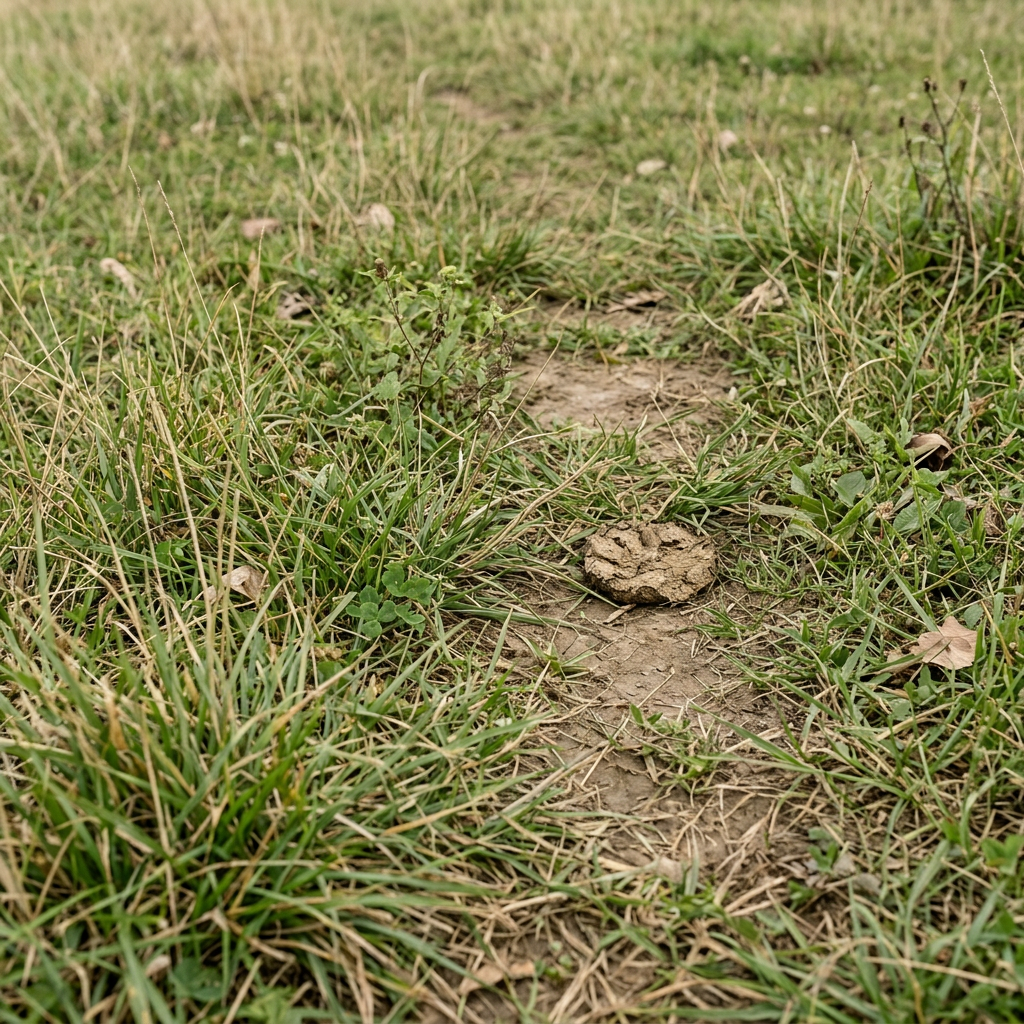
Look for this on the ground
Open pasture grass
Cropped grass with clover, occasional cow pat, bare foot trails.
Season Windows by Region
Region
Jan
Feb
Mar
Apr
May
Jun
Jul
Aug
Sep
Oct
Nov
Dec
North Cascades
WA · 1,500–8,000 ft
Central Cascades / Snoqualmie
WA · 1,500–7,000 ft
Olympic Peninsula
WA · 500–6,000 ft
Gifford Pinchot / South Cascades
WA · 1,000–8,000 ft
Mt Hood / North Oregon Cascades
OR · 2,000–8,000 ft
Willamette Valley / Columbia Gorge
OR · 200–1,500 ft
Siuslaw NF / Oregon Dunes
OR · 0–4,097 ft
Growing Requirements
Min Soil Temp
40°F
Moisture Need
rain 0.5in 7d
Drought Tolerance
low
Elevation Range
0–8,000 ft
Commonly Mistaken For
Species people confuse with this one — often the edible they were hunting for. Each is tagged with its own edibility; Flying Saucer is the dangerous one.
Psilocybe cyanescens (Wavy Cap)
PsychoactiveSame coast, overlapping habitat. P. azurescens has a sharper umbo and prefers sandier coastal substrate.
Galerina marginata (Deadly Galerina)
DeadlyDEADLY. Confirm bluing — Galerina never blues.
Identification Tips
- ✓Look for sharp central nipple (umbo) on the cap
- ✓Sand-binding mycelium and dune-grass roots are diagnostic habitat
- ✓Cool, wet, late-fall conditions only
Field Notes
Dune grass, driftwood
Found Flying Saucer?
Photograph it and log your observation on iNaturalist. The community can help confirm your ID — always get confirmation before eating.
Safety: Never eat any wild mushroom without 100% certain identification from multiple sources. This page is for informational purposes only. When in doubt, throw it out.