Loading conditions…

Edibility
Edible
Lookalike Danger
2 / 5
Habitat
🪵 Dead hardwood, elm
Season
Jun – Sep
"Bright golden bouquets on dead hardwood. A choice introduced edible now spreading through eastern and midwestern forests — forage freely, it is invasive."
🌳 Host Trees & Plants
This species is found with or partners with the following hosts. Ectomycorrhizal hosts (green border) form a root-level partnership; ericoid / arbutoid shrubs (purple border) share the same mycorrhizal networks.
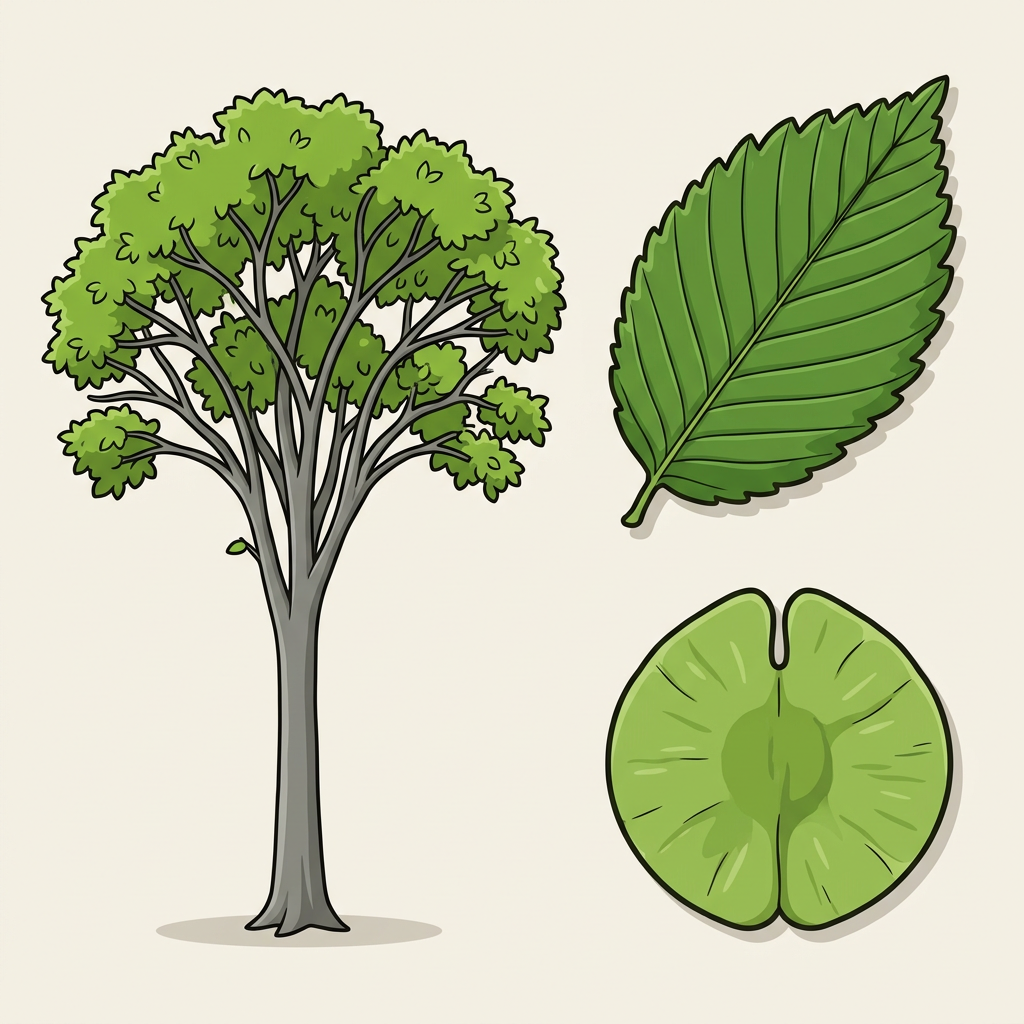
Elm
Ulmus americana
Saprobic substrate
Morel indicator (dying elms). Elm oyster host.
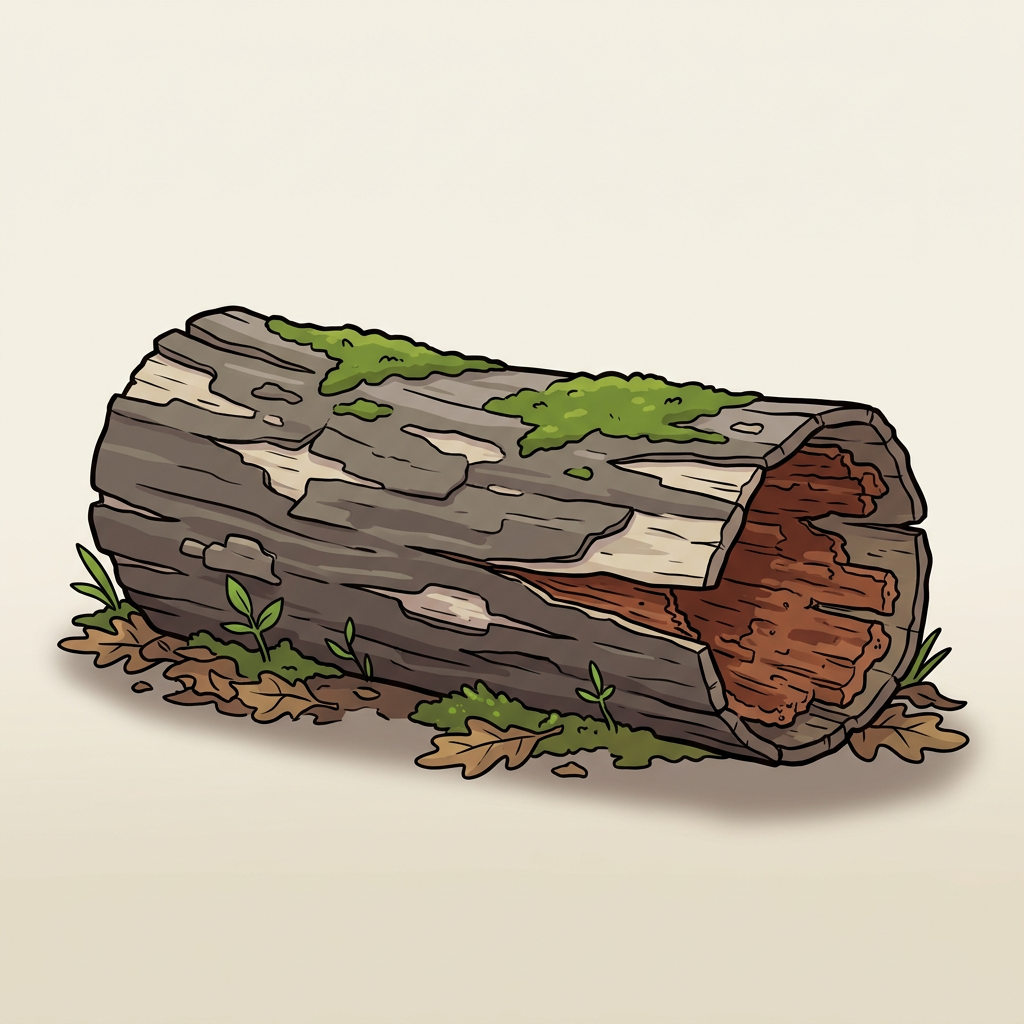
Dead Hardwood
Saprobic substrate
Saprobic substrate
Fallen logs, stumps, and dying hardwood — substrate for oyster, turkey-tail, dryad’s saddle, and most hardwood saprobes.
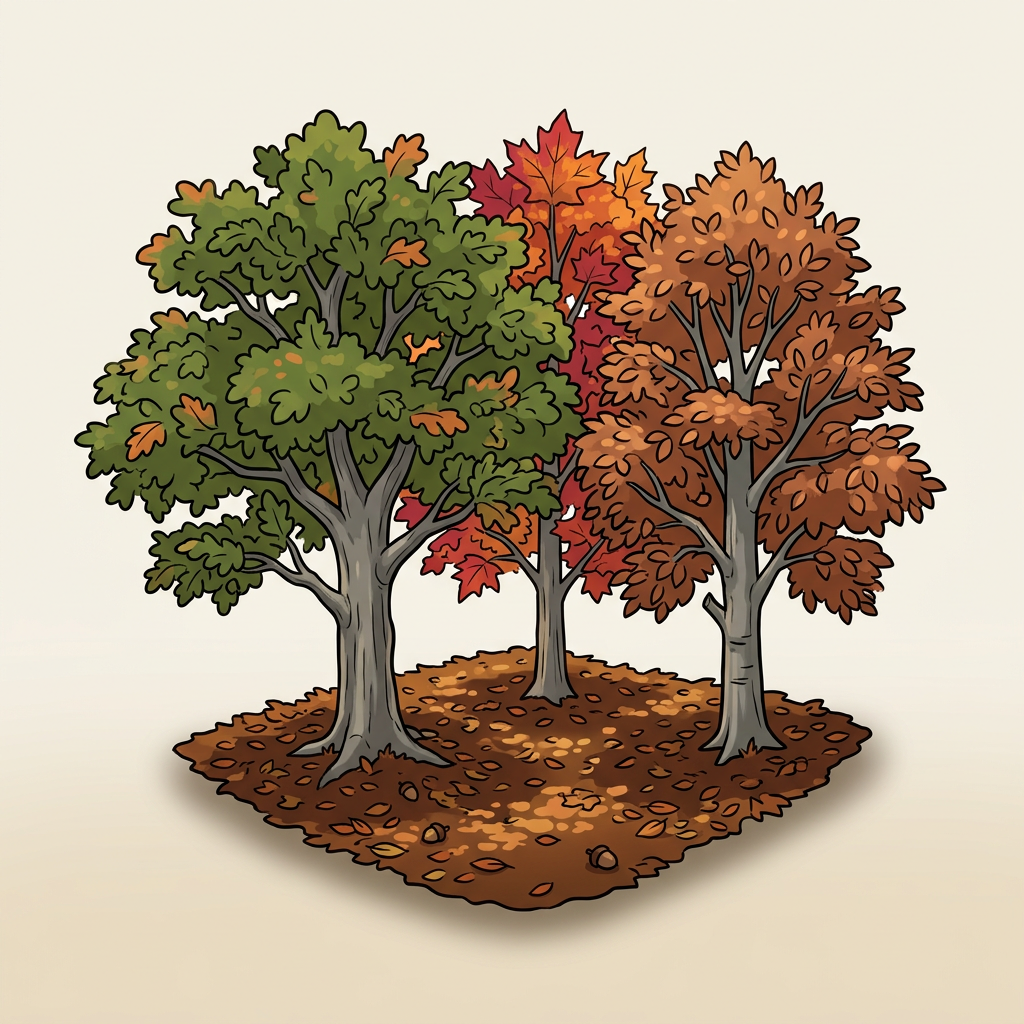
Hardwood Forest
Fagaceae / Betulaceae (generic)
Saprobic substrate
Generic hardwood habitat — oak, maple, beech, birch, etc. Shown when the species is reported from hardwoods generally.
Dense bouquets of bright lemon-yellow caps (3–8 cm) with a shallow central dip, springing from a shared whitish base. The white gills run deeply down the stems almost to the bottom, the flesh is thin and white, and the spore print is pale lilac to pinkish. Fresh clusters often have a strong, sweetish smell.
Habitat
An Asian cultivated species, first recorded growing wild in the US in 2012, that has escaped from farms, logs and grow kits. It is now naturalized in at least 11 states from Minnesota and Iowa east through the Great Lakes to New York, New England and the Mid-Atlantic, and is still spreading. It grows on dead and dying hardwoods, especially elm but also oak and beech, from late spring through fall, often after warm rains.
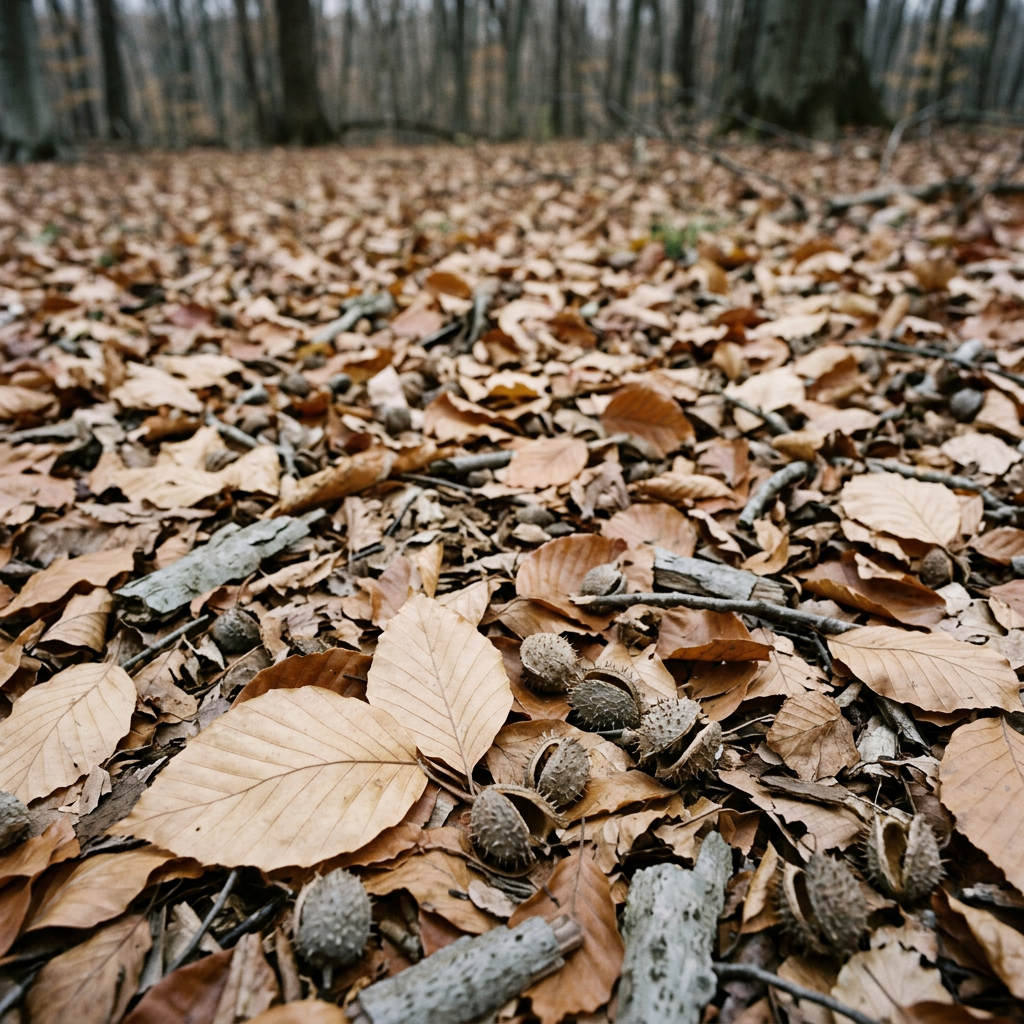
Look for this on the ground
Beech leaf duff
Smooth tan-copper beech leaves, prickly beechnut husks, open beech-stand light.
Look-Alikes
Species to rule out before picking. Each is tagged with its own edibility.
Omphalotus illudens (Jack-o'-Lantern)
ToxicToxic — causes severe vomiting and diarrhea. Also clusters on hardwood stumps and roots, but it is pumpkin-orange (not lemon-yellow), larger and fleshier, with orange flesh inside, and orange gills. Golden oysters have white gills and white flesh.
Desarmillaria caespitosa (Ringless Honey Mushroom), yellow form
Use cautionEdible when well cooked but upsets some people. Yellowish forms occur; they have small dark scales on the cap, gills that do not run as far down the stem, a white spore print, and grow from roots at tree bases.
Gerronema strombodes
Use cautionNot a food species. Smaller and less clustered, with fine brown fibers streaking a yellowish-brown cap.
Identification Tips
- ✓Check for white gills running nearly the full length of the stem and white flesh — orange flesh means Jack-o'-Lantern
- ✓Take a spore print if unsure: pale lilac-pink, not white or rusty
- ✓Picking and eating it is fine, but never carry scraps, spent grow kits or colonized wood into new areas. Home growers should choose native oyster species instead.
- ✓Report new finds to iNaturalist or Mushroom Observer — researchers are tracking its spread
Checked against: mushroomexpert.com · en.wikipedia.org · extension.illinois.edu · mushroomexpert.com · mushroomexpert.com
Found Golden Oyster?
Photograph it and log your observation on iNaturalist. The community can help confirm your ID — always get confirmation before eating.
Safety: Never eat any wild mushroom without 100% certain identification from multiple sources. This page is for informational purposes only. When in doubt, throw it out.