Loading conditions…

Edibility
Inedible
Lookalike Danger
1 / 5
Habitat
🪵 Mulched beds, disturbed soil
Season
May – Oct🌱 Now
"Five-or-six-sided orange spire that looks machined from plastic. Mulched beds and disturbed soil. “Mokusin” roughly translates from the Japanese as “wood deer.”"
🌳 Host Trees & Plants
This species is found with or partners with the following hosts. Ectomycorrhizal hosts (green border) form a root-level partnership; ericoid / arbutoid shrubs (purple border) share the same mycorrhizal networks.
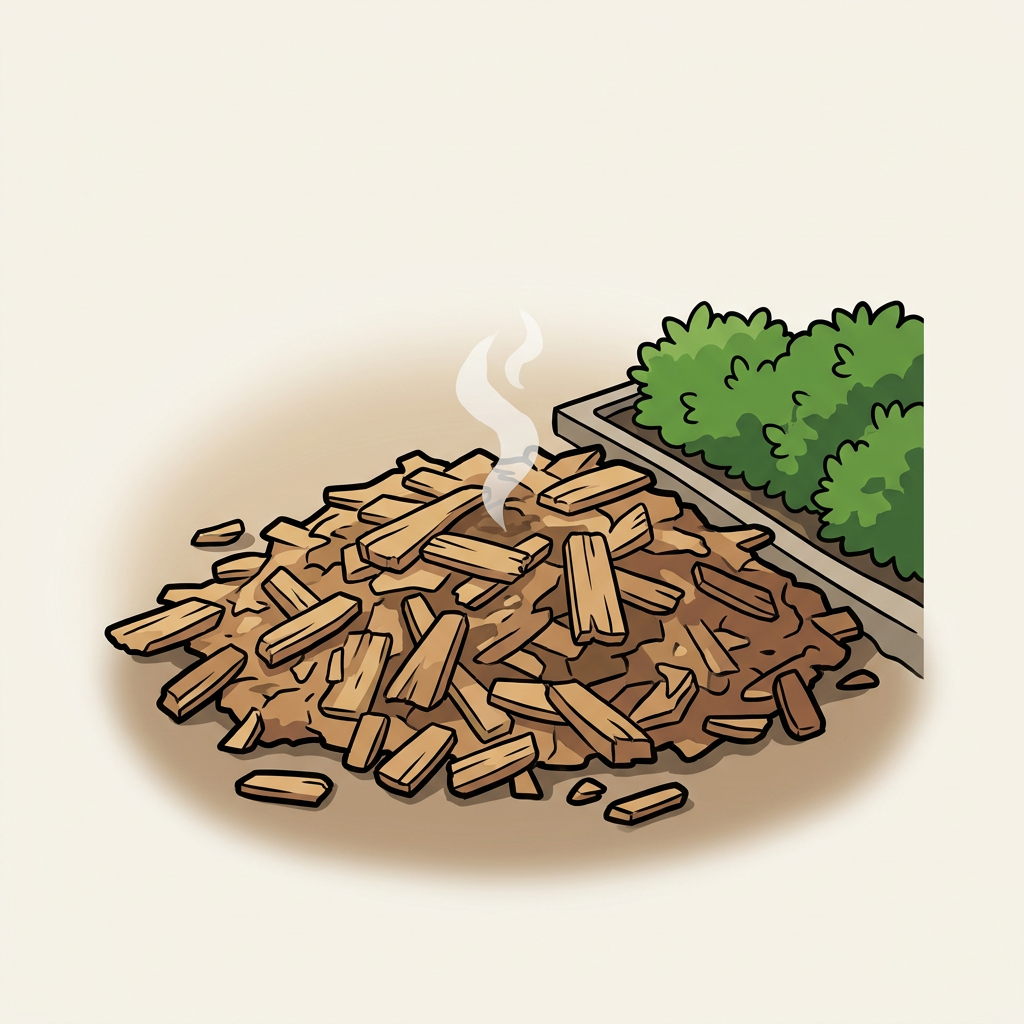
Wood-Chip Mulch
Hardwood mulch
Saprobic substrate
Landscape hardwood chip mulch — wine cap, bird’s nest fungi, dog-vomit slime mold. A great backyard cultivation substrate.
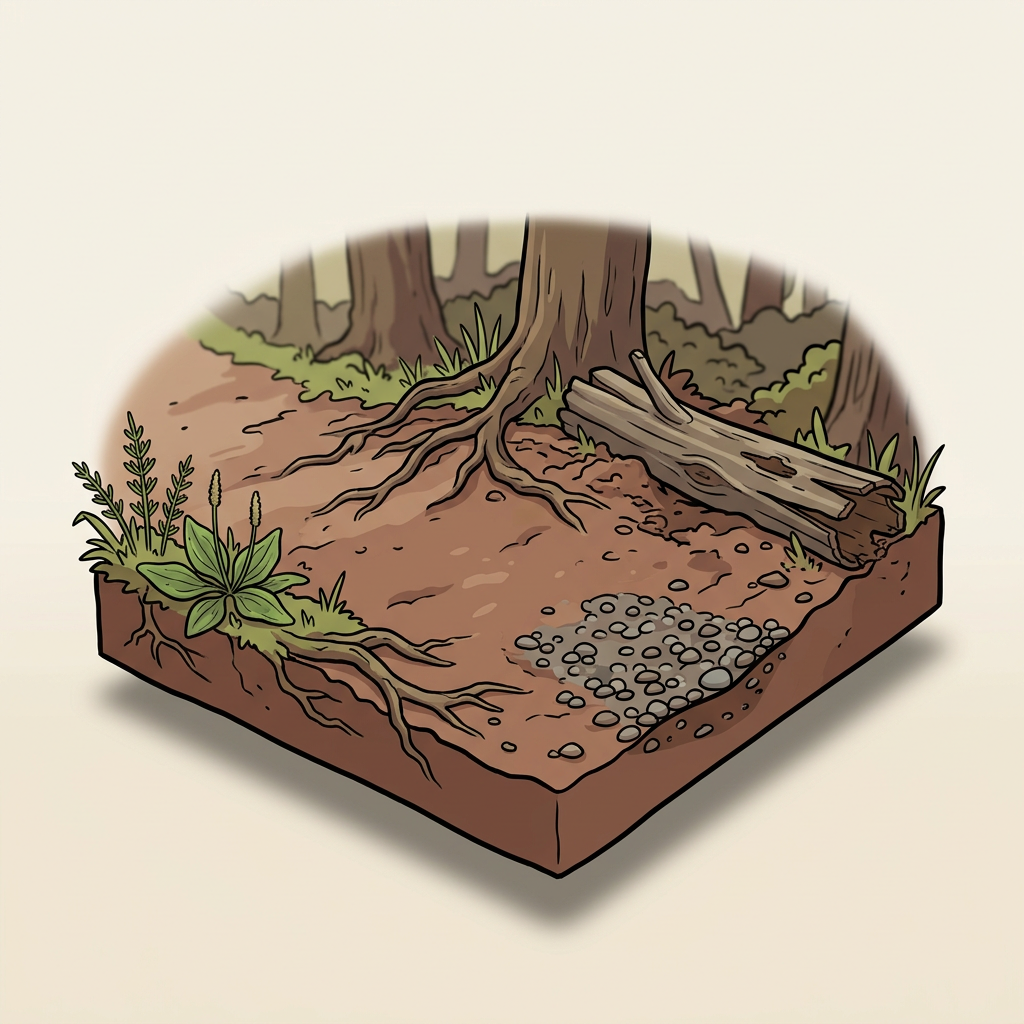
Disturbed Ground
Edge / compacted soil
Saprobic substrate
Road edges, construction scars, trail sides, and compacted disturbed soil — orange peel fungus, alcohol inky, common edge colonizers.
A five- or six-sided orange spire that looks more machined than grown — sharp longitudinal ridges run from base to tip, with the slime-bearing arms splitting open at the top like a lantern. "Mokusin" comes from the Japanese for "wood deer." Common across western North America in mulched landscaping.
Habitat
Mulched garden beds, disturbed soil, and wood-chip piles across the western US, with east-coast populations in eastern garden plantings. Fruits May through October.
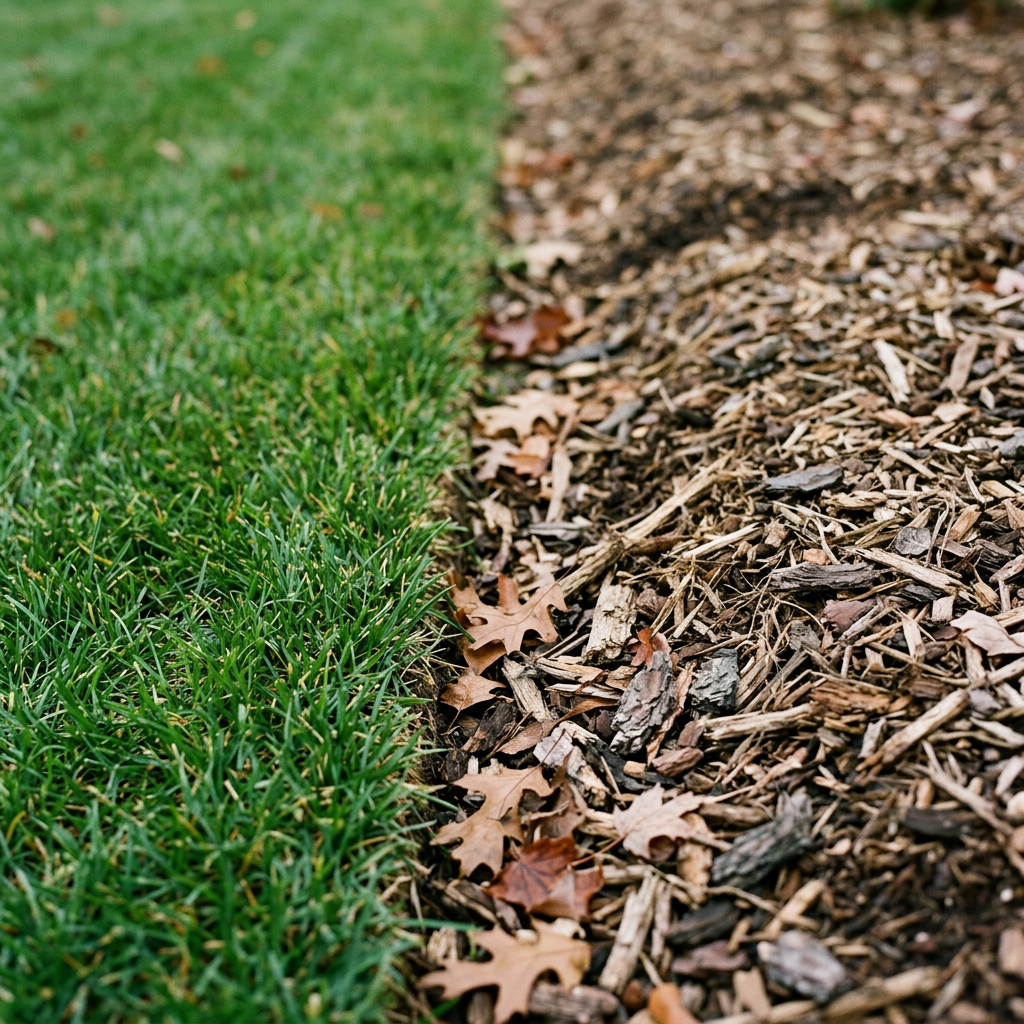
Look for this on the ground
Lawn and wood-chip edge
Manicured lawn meeting fresh hardwood mulch — suburban edge habitat.
Season Windows by Region
Region
Jan
Feb
Mar
Apr
May
Jun
Jul
Aug
Sep
Oct
Nov
Dec
Clear Creek Canyon / Mayhem Gulch
5,500–8,500 ft
Jones Pass Road
8,000–11,000 ft
Gordon Gulch / Nederland
7,000–9,000 ft
Kenosha Pass
8,000–10,500 ft
Guanella Pass Corridor
9,000–12,000 ft
Vasquez Creek / Winter Park
8,500–11,000 ft
Pike NF South / Tarryall
7,500–10,500 ft
Poudre Canyon / Roosevelt NF
6,500–10,000 ft
Rampart Range / Palmer Divide
7,000–9,500 ft
Jemez / Santa Fe NF
NM · 6,500–11,200 ft
Santa Fe / Pecos Wilderness
NM · 7,000–12,600 ft
Northern Sierra / Tahoe
CA · 5,000–9,000 ft
Hoosier NF / Brown County
IN · 500–1,050 ft
Hocking Hills
OH · 650–1,150 ft
Wayne NF
OH · 600–1,400 ft
Monongahela National Forest
WV · 1,500–4,863 ft
Shenandoah / Blue Ridge
VA · 1,000–4,049 ft
Eastern Kansas River Valleys
KS · 750–1,200 ft
NE Kansas Woodlands
KS · 800–1,300 ft
Ozark Plateau (NE OK)
OK · 700–1,800 ft
Wichita Mountains
OK · 1,200–2,479 ft
Sam Houston NF
TX · 80–350 ft
Big Thicket
TX · 50–400 ft
Western MD / Catoctin
MD · 700–3,360 ft
White Clay Creek
DE · 100–350 ft
Flint Hills
KS · 1,000–1,600 ft
Loess Hills
IA · 1,000–1,500 ft
George Washington NF
VA · 1,000–4,397 ft
Congaree NP
SC · 100–200 ft
NJ Pine Barrens
NJ · 0–200 ft
Eastern NE / Missouri Bluffs
NE · 900–1,350 ft
Osage Hills / Cross Timbers
OK · 700–1,250 ft
Smoky Hills / Wilson Lake
KS · 1,500–1,950 ft
Trap Pond / DE Bald Cypress
DE · 20–80 ft
Pocomoke / Eastern Shore
MD · 0–50 ft
Angeles NF / San Gabriel Mountains
CA · 1,500–10,064 ft
Los Padres NF / Big Sur
CA · 0–8,831 ft
Great Dismal Swamp NWR
VA · 0–25 ft
VA Tidewater / Colonial Parkway
VA · 0–150 ft
NC Sandhills / Weymouth Woods
NC · 150–600 ft
Sandia Mountains / Cibola NF
NM · 5,000–10,678 ft
Shasta-Trinity NF
CA · 1,500–14,179 ft
Mendocino NF / Yolla Bolly
CA · 1,500–8,092 ft
Sequoia NF / Kern Plateau
CA · 1,500–9,000 ft
Mon NF South / Cranberry Wilderness
WV · 2,500–4,863 ft
Western KY / Pennyrile
KY · 350–700 ft
Cross Timbers / LBJ National Grassland
TX · 700–1,200 ft
Arbuckle Mountains / Chickasaw
OK · 700–1,400 ft
Red Hills / Gyp Hills
KS · 1,500–2,200 ft
Mount Blue Sky / Echo Lake
9,000–11,700 ft
Growing Requirements
Min Soil Temp
55°F
Moisture Need
rain 0.5in 7d
Drought Tolerance
moderate
Elevation Range
0–14,179 ft
Look-Alikes
Species to rule out before picking. Each is tagged with its own edibility.
Lysurus periphragmoides
Not dangerousSimilar but without the longitudinal ridges; arms join in a small cap.
Mutinus stinkhorns
Not dangerousRounder spire; no ridges or apical lantern.
Identification Tips
- ✓Five or six straight longitudinal ridges down the spire — geometric and unmistakable
- ✓Orange-red color with darker slimy tip
- ✓Mulched garden habitat
Field Notes
Mulched beds, disturbed soil
Found Lantern Stinkhorn?
Photograph it and log your observation on iNaturalist. The community can help confirm your ID — always get confirmation before eating.
Safety: Never eat any wild mushroom without 100% certain identification from multiple sources. This page is for informational purposes only. When in doubt, throw it out.