Loading conditions…
← Back to MyCodex
Banded MottlegillPanaeolus cinctulus

Edibility
Toxic
Lookalike Danger
3 / 5
Habitat
🌱 Compost, pasture
Season
May – Oct🌱 Now
"Hygrophanous brown band around the cap edge as it dries. Compost piles, well-grazed pasture. Sometimes called the “hayman’s panaeolus.” Contains psilocybin."
🌳 Host Trees & Plants
This species is found with or partners with the following hosts. Ectomycorrhizal hosts (green border) form a root-level partnership; ericoid / arbutoid shrubs (purple border) share the same mycorrhizal networks.
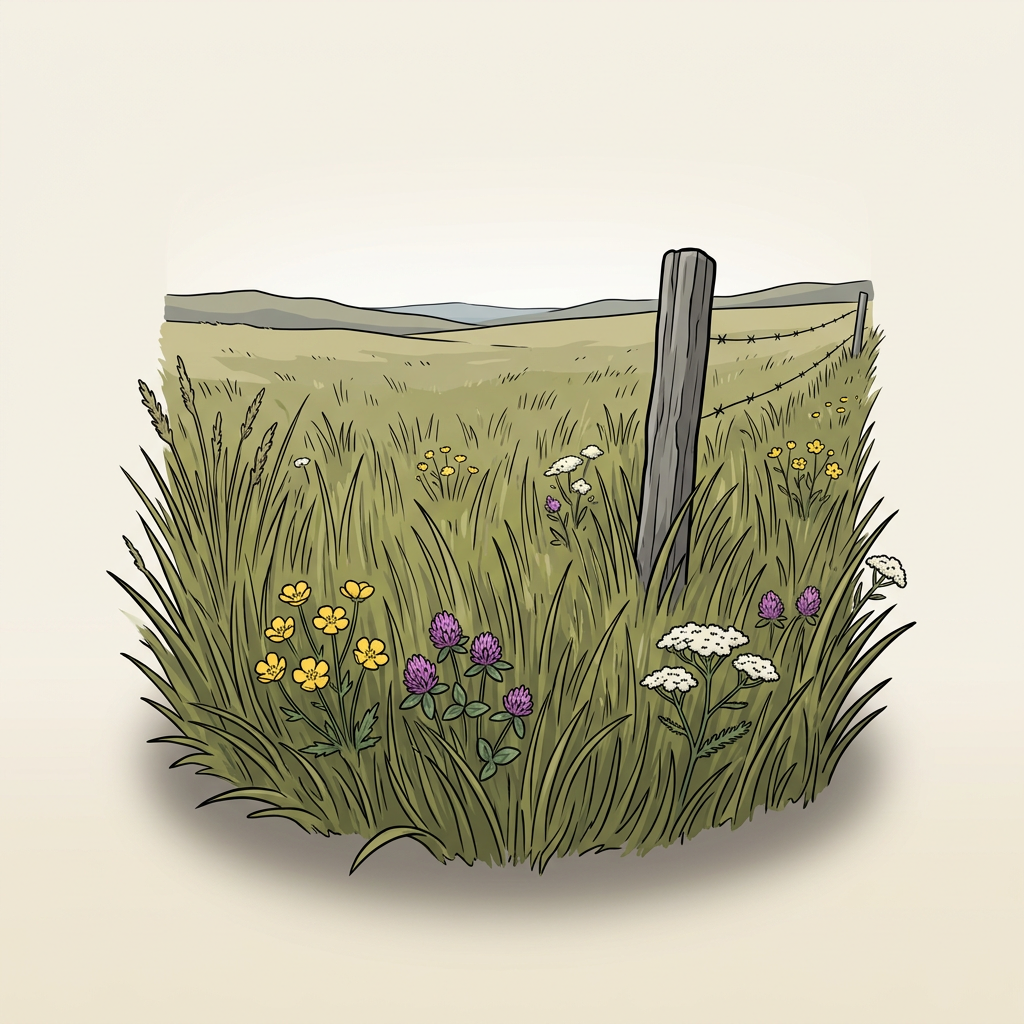
Old Pasture / Meadow
Unimproved grassland
Saprobic substrate
Old pasture and unimproved meadow — waxcap indicator habitat, meadow mushroom, fairy ring champignon, giant puffball.
A widespread "weed" Psilocybin-active species — fruits in compost heaps, well-grazed pasture, garden mulch, and lawns across the continental US. Hygrophanous cap shows a darker brown band near the edge as it dries; gills are dark black-mottled at maturity.
Habitat
Compost, manure piles, heavily-fertilized lawns, and pasture. Common across the entire continental US. Fruits May through October.
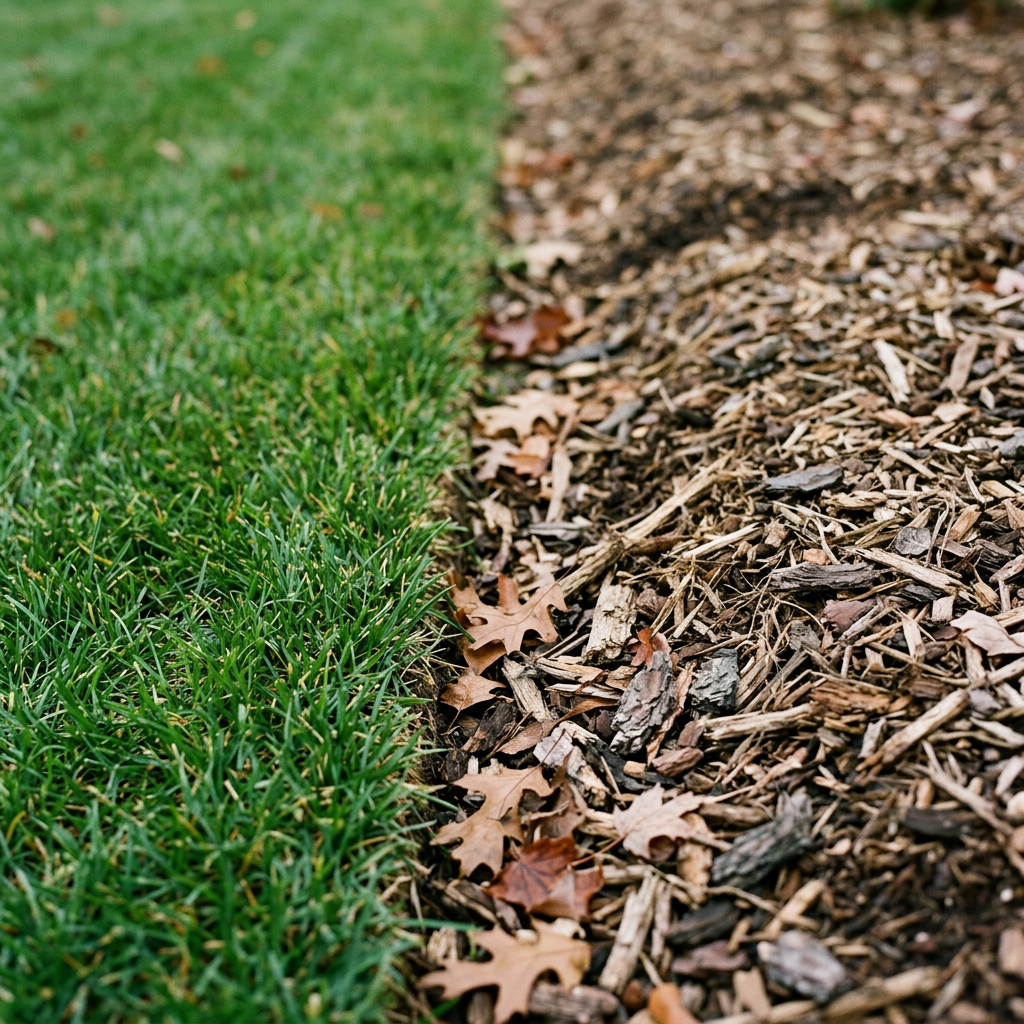
Look for this on the ground
Lawn and wood-chip edge
Manicured lawn meeting fresh hardwood mulch — suburban edge habitat.
Season Windows by Region
Region
Jan
Feb
Mar
Apr
May
Jun
Jul
Aug
Sep
Oct
Nov
Dec
Clear Creek Canyon / Mayhem Gulch
5,500–8,500 ft
Jones Pass Road
8,000–11,000 ft
Gordon Gulch / Nederland
7,000–9,000 ft
Kenosha Pass
8,000–10,500 ft
Guanella Pass Corridor
9,000–12,000 ft
Vasquez Creek / Winter Park
8,500–11,000 ft
Pike NF South / Tarryall
7,500–10,500 ft
Royal Gorge / Wet Mountains
6,500–9,500 ft
Poudre Canyon / Roosevelt NF
6,500–10,000 ft
Rampart Range / Palmer Divide
7,000–9,500 ft
North Cascades
WA · 1,500–8,000 ft
Central Cascades / Snoqualmie
WA · 1,500–7,000 ft
Olympic Peninsula
WA · 500–6,000 ft
Gifford Pinchot / South Cascades
WA · 1,000–8,000 ft
Mt Hood / North Oregon Cascades
OR · 2,000–8,000 ft
South Cascades / Klamath
OR · 4,000–9,000 ft
Wasatch Mountains
UT · 5,500–11,500 ft
Jemez / Santa Fe NF
NM · 6,500–11,200 ft
Santa Fe / Pecos Wilderness
NM · 7,000–12,600 ft
Coconino / Flagstaff
AZ · 6,500–10,000 ft
Hoosier NF / Brown County
IN · 500–1,050 ft
Central IN
IN · 650–1,050 ft
NE Indiana
IN · 750–1,100 ft
Hocking Hills
OH · 650–1,150 ft
NE Ohio
OH · 650–1,350 ft
Central MI
MI · 700–1,400 ft
Southern IA
IA · 700–1,300 ft
Central MN
MN · 900–1,500 ft
Allegheny National Forest
PA · 1,000–2,300 ft
Pocono Mountains
PA · 800–2,200 ft
Finger Lakes / Central NY
NY · 500–2,000 ft
Great Smoky Mountains
TN · 900–6,643 ft
Cumberland Plateau
TN · 1,000–3,500 ft
Western NC Mountains
NC · 2,000–6,684 ft
Foothills / Piedmont Transition
NC · 800–2,500 ft
Chattahoochee National Forest
GA · 1,200–4,784 ft
Ocala National Forest
FL · 20–200 ft
Myakka / Southwest Florida
FL · 5–100 ft
Northwest CT Hills
CT · 400–2,380 ft
Arcadia / South County
RI · 0–812 ft
Eastern Kansas River Valleys
KS · 750–1,200 ft
NE Kansas Woodlands
KS · 800–1,300 ft
Willamette Valley / Columbia Gorge
OR · 200–1,500 ft
Ozark Plateau (NE OK)
OK · 700–1,800 ft
Sam Houston NF
TX · 80–350 ft
Big Thicket
TX · 50–400 ft
Hill Country
TX · 1,000–2,500 ft
Ozark NF
AR · 700–2,700 ft
Francis Marion NF
SC · 10–100 ft
Western MD / Catoctin
MD · 700–3,360 ft
White Clay Creek
DE · 100–350 ft
NW NJ / High Point
NJ · 400–1,803 ft
Uwharrie NF
NC · 400–1,100 ft
Oconee NF / GA Piedmont
GA · 400–800 ft
Laurel Highlands
PA · 1,200–3,213 ft
Cherokee NF
TN · 1,000–6,285 ft
Conecuh NF
AL · 200–400 ft
Mobile-Tensaw Delta
AL · 0–50 ft
Blackwater / FL Panhandle
FL · 50–300 ft
Oak Openings / NW Ohio
OH · 620–720 ft
NJ Pine Barrens
NJ · 0–200 ft
Pachaug SF / Eastern CT
CT · 200–500 ft
Great Swamp / Central RI
RI · 10–120 ft
Angeles NF / San Gabriel Mountains
CA · 1,500–10,064 ft
Los Padres NF / Big Sur
CA · 0–8,831 ft
NC Sandhills / Weymouth Woods
NC · 150–600 ft
Sandia Mountains / Cibola NF
NM · 5,000–10,678 ft
Mendocino NF / Yolla Bolly
CA · 1,500–8,092 ft
Sequoia NF / Kern Plateau
CA · 1,500–9,000 ft
Umpqua NF / Diamond Lake
OR · 1,000–9,173 ft
Siuslaw NF / Oregon Dunes
OR · 0–4,097 ft
Big South Fork / NE TN
TN · 800–1,900 ft
Western NY / Allegany SP
NY · 1,500–2,400 ft
Coastal Bend / Lake Corpus Christi
TX · 50–400 ft
Cross Timbers / LBJ National Grassland
TX · 700–1,200 ft
Lost Pines / Bastrop
TX · 300–700 ft
Arbuckle Mountains / Chickasaw
OK · 700–1,400 ft
Red Hills / Gyp Hills
KS · 1,500–2,200 ft
Nebraska NF / Bessey (Sandhills)
NE · 2,500–3,200 ft
Mount Blue Sky / Echo Lake
9,000–11,700 ft
Growing Requirements
Min Soil Temp
55°F
Moisture Need
rain 0.5in 7d
Drought Tolerance
moderate
Elevation Range
0–12,600 ft
Commonly Mistaken For
Species people confuse with this one — often the edible they were hunting for. Each is tagged with its own edibility; Banded Mottlegill is the dangerous one.
Panaeolus foenisecii (Lawn Mower's Mushroom)
Not dangerousCommon lawn mottlegill, NOT psychoactive. Cap is more uniformly brown and cap edge does not show a contrasting darker band as it dries.
Panaeolus papilionaceus
Use cautionVeil remnants hang from cap edge; not consistently psychoactive.
Identification Tips
- ✓Darker band around the cap edge as it dries (hygrophanous)
- ✓Stem bruises faintly blue at the base — subtler than Psilocybe
- ✓Pasture/compost substrate
Field Notes
Compost, pasture
Found Banded Mottlegill?
Photograph it and log your observation on iNaturalist. The community can help confirm your ID — always get confirmation before eating.
Safety: Never eat any wild mushroom without 100% certain identification from multiple sources. This page is for informational purposes only. When in doubt, throw it out.