Loading conditions…
← Back to MyCodex
Conifer PsilocybePsilocybe pelliculosa

Edibility
Toxic
Lookalike Danger
5 / 5
Habitat
🌲 Conifer duff
Season
Sep – Dec🌱 Now
"Small chestnut bell with a thin peelable film on the cap. PNW conifer duff. Sometimes mistaken for the much-larger Wavy Cap — both blue-bruise, both contain psilocybin."
🌳 Host Trees & Plants
This species is found with or partners with the following hosts. Ectomycorrhizal hosts (green border) form a root-level partnership; ericoid / arbutoid shrubs (purple border) share the same mycorrhizal networks.
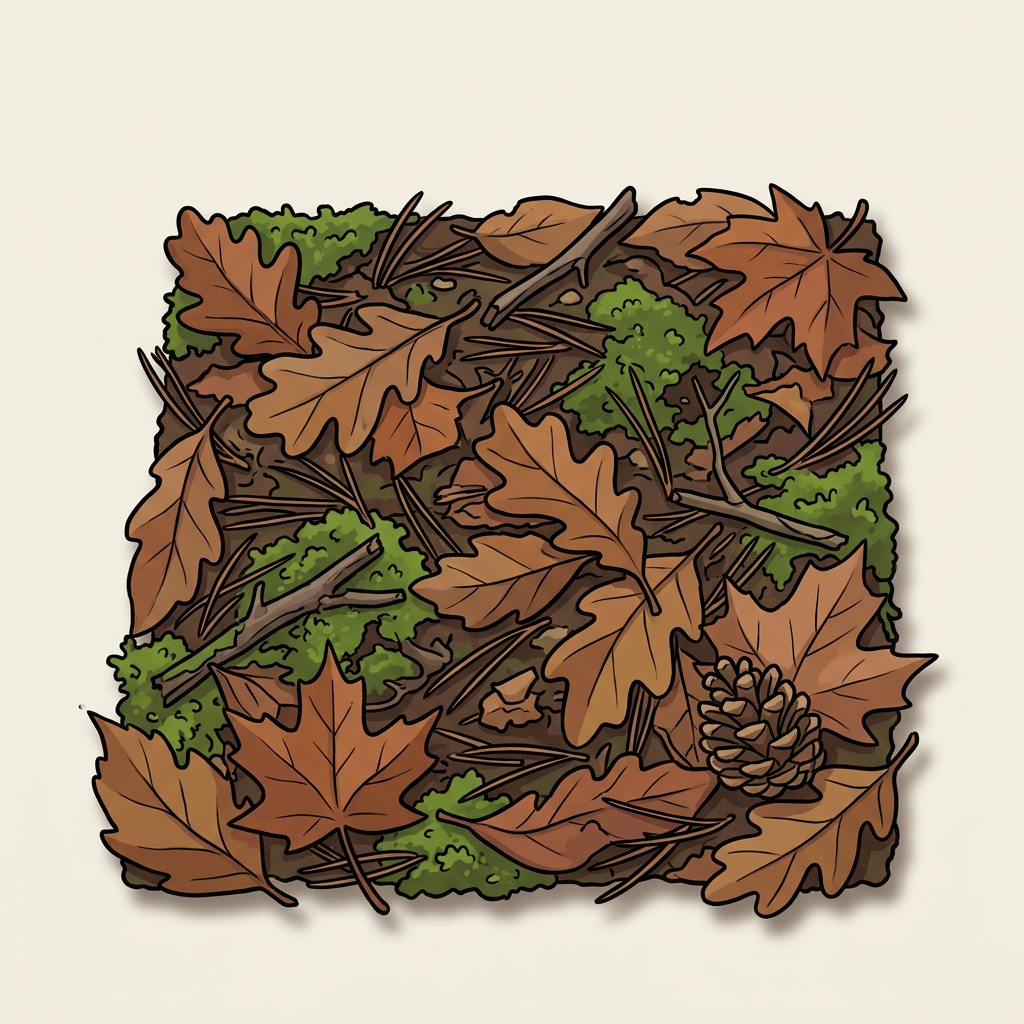
Forest Duff
Leaf litter layer
Saprobic substrate
Decomposing leaf and needle litter on the forest floor — substrate for blewit, aniseed funnel, earthstar, and many coral mushrooms.
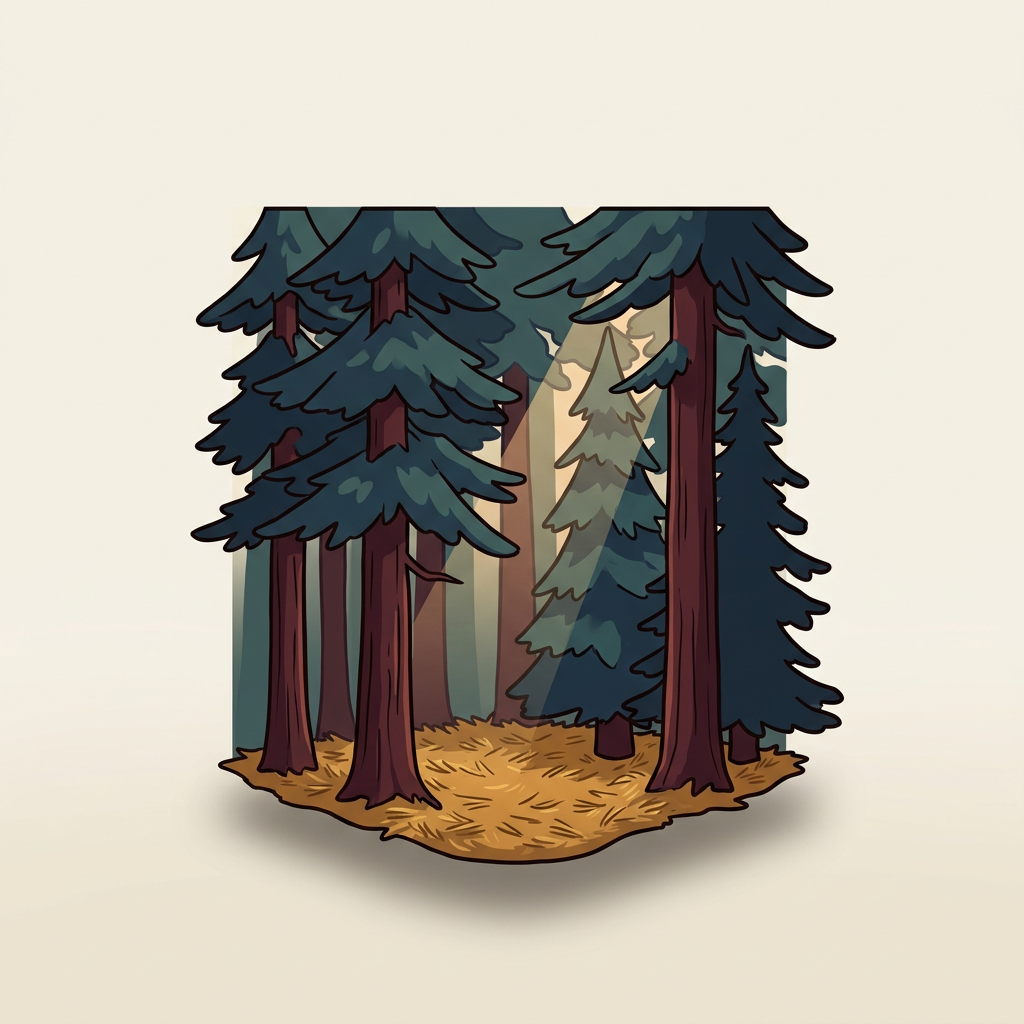
Conifer Forest
Pinaceae (generic)
Ectomycorrhizal
Generic conifer habitat — pine, spruce, fir, hemlock, or Douglas-fir. Shown when the species is reported from conifers without a specific tree.
Small chestnut-brown conical-capped Psilocybe of PNW conifer duff. The species name refers to its peelable cap "pellicle" (a thin gelatinous film). Less potent than wood-chip Psilocybes; often overlooked in mossy forest beds.
Habitat
Conifer duff in the Pacific Northwest, especially Douglas-fir, hemlock, and spruce forests. Fruits from late September through early winter.
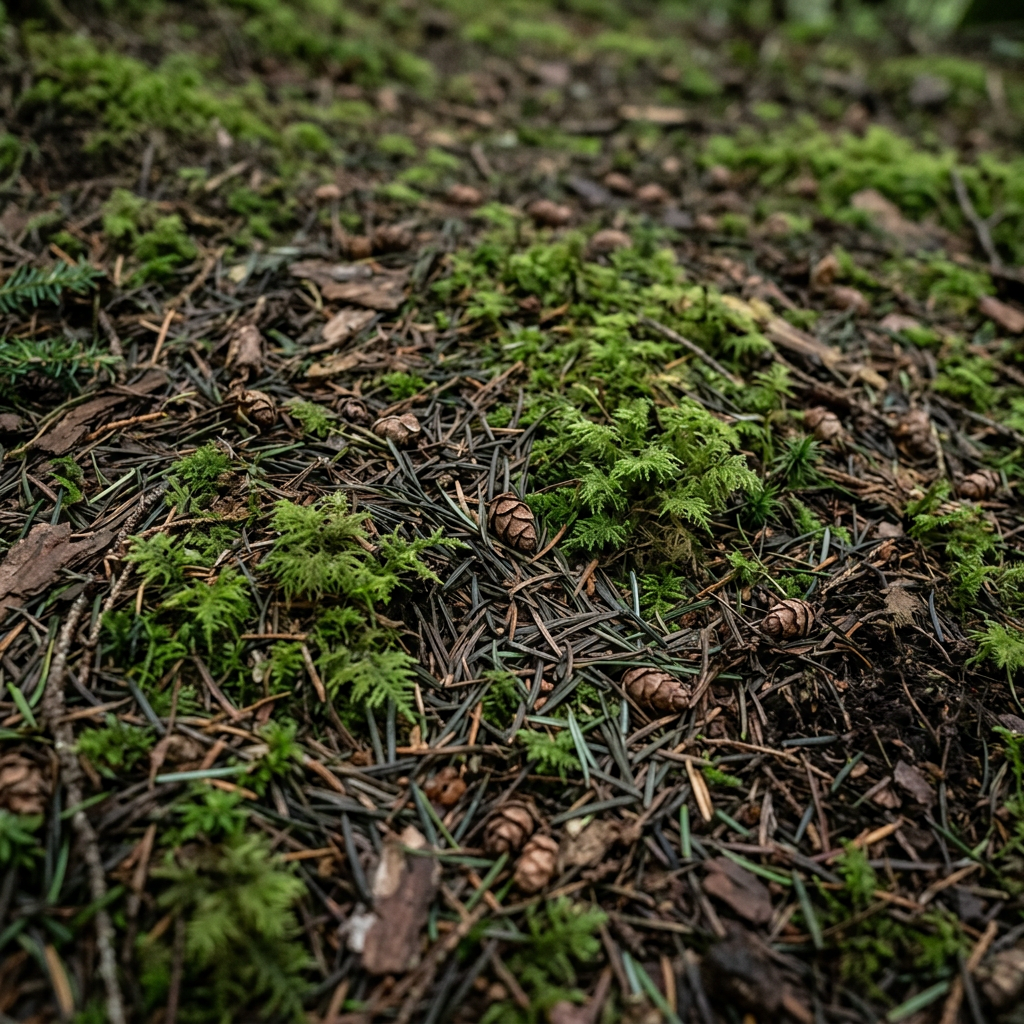
Look for this on the ground
Hemlock mossy floor
Fine soft hemlock needles, deep green feather moss, tiny ovoid cones.
Season Windows by Region
Region
Jan
Feb
Mar
Apr
May
Jun
Jul
Aug
Sep
Oct
Nov
Dec
North Cascades
WA · 1,500–8,000 ft
Central Cascades / Snoqualmie
WA · 1,500–7,000 ft
Olympic Peninsula
WA · 500–6,000 ft
Gifford Pinchot / South Cascades
WA · 1,000–8,000 ft
Mt Hood / North Oregon Cascades
OR · 2,000–8,000 ft
Central Oregon / Deschutes
OR · 3,500–9,000 ft
South Cascades / Klamath
OR · 4,000–9,000 ft
Willamette Valley / Columbia Gorge
OR · 200–1,500 ft
Mendocino NF / Yolla Bolly
CA · 1,500–8,092 ft
Umpqua NF / Diamond Lake
OR · 1,000–9,173 ft
Siuslaw NF / Oregon Dunes
OR · 0–4,097 ft
Growing Requirements
Min Soil Temp
45°F
Moisture Need
rain 0.5in 7d
Drought Tolerance
low
Elevation Range
0–9,173 ft
Commonly Mistaken For
Species people confuse with this one — often the edible they were hunting for. Each is tagged with its own edibility; Conifer Psilocybe is the dangerous one.
Psilocybe cyanescens (Wavy Cap)
PsychoactiveSame region. P. pelliculosa is much smaller and grows in conifer duff rather than wood chips.
Galerina marginata (Deadly Galerina)
DeadlyDEADLY. Confirm bluing.
Identification Tips
- ✓Cap pellicle peels off — peelable gelatinous film is diagnostic
- ✓Conifer duff substrate, not wood chips
- ✓Mild blue bruising on cut stem
Field Notes
Conifer duff
Found Conifer Psilocybe?
Photograph it and log your observation on iNaturalist. The community can help confirm your ID — always get confirmation before eating.
Safety: Never eat any wild mushroom without 100% certain identification from multiple sources. This page is for informational purposes only. When in doubt, throw it out.