Loading conditions…

Edibility
Toxic
Lookalike Danger
5 / 5
Habitat
🪵 Wood chips, mulch
Season
Sep – Dec🌱 Now
"Caramel-brown wavy-edged cap on PNW wood chips and landscaping bark. Stem bruises deep blue. Schedule I — and lethally similar to Galerina marginata. Confirm the blue."
🌳 Host Trees & Plants
This species is found with or partners with the following hosts. Ectomycorrhizal hosts (green border) form a root-level partnership; ericoid / arbutoid shrubs (purple border) share the same mycorrhizal networks.
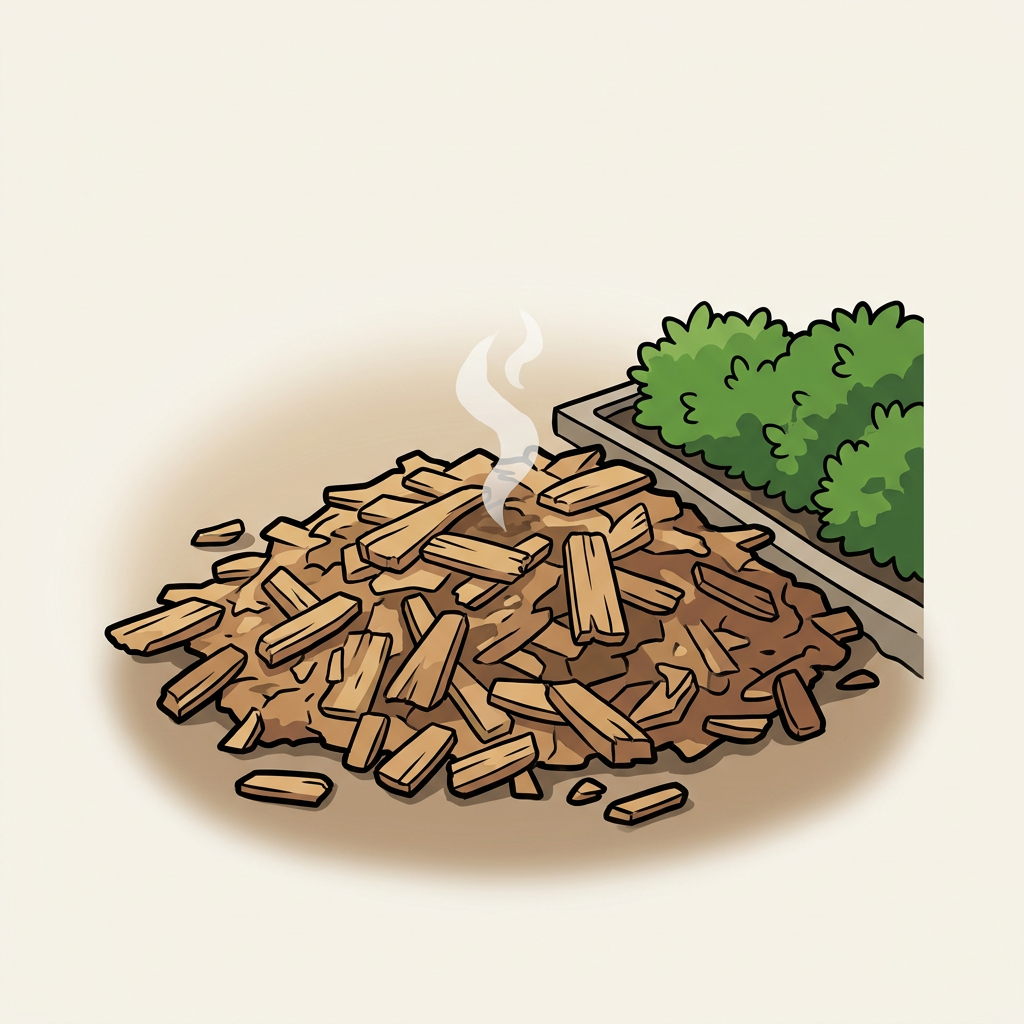
Wood-Chip Mulch
Hardwood mulch
Saprobic substrate
Landscape hardwood chip mulch — wine cap, bird’s nest fungi, dog-vomit slime mold. A great backyard cultivation substrate.
Caramel-brown cap with a distinctive wavy margin, growing in dense troops from wood chips, bark mulch, and decaying lignin. Contains psilocybin and psilocin; stem bruises a vivid indigo blue when handled. One of the most common and easily-encountered psychoactive fungi in the PNW.
Habitat
Landscaping wood chips and bark mulch in cool-temperate climates, especially the Pacific Northwest. Fruits in fall and early winter after the first sustained rains.
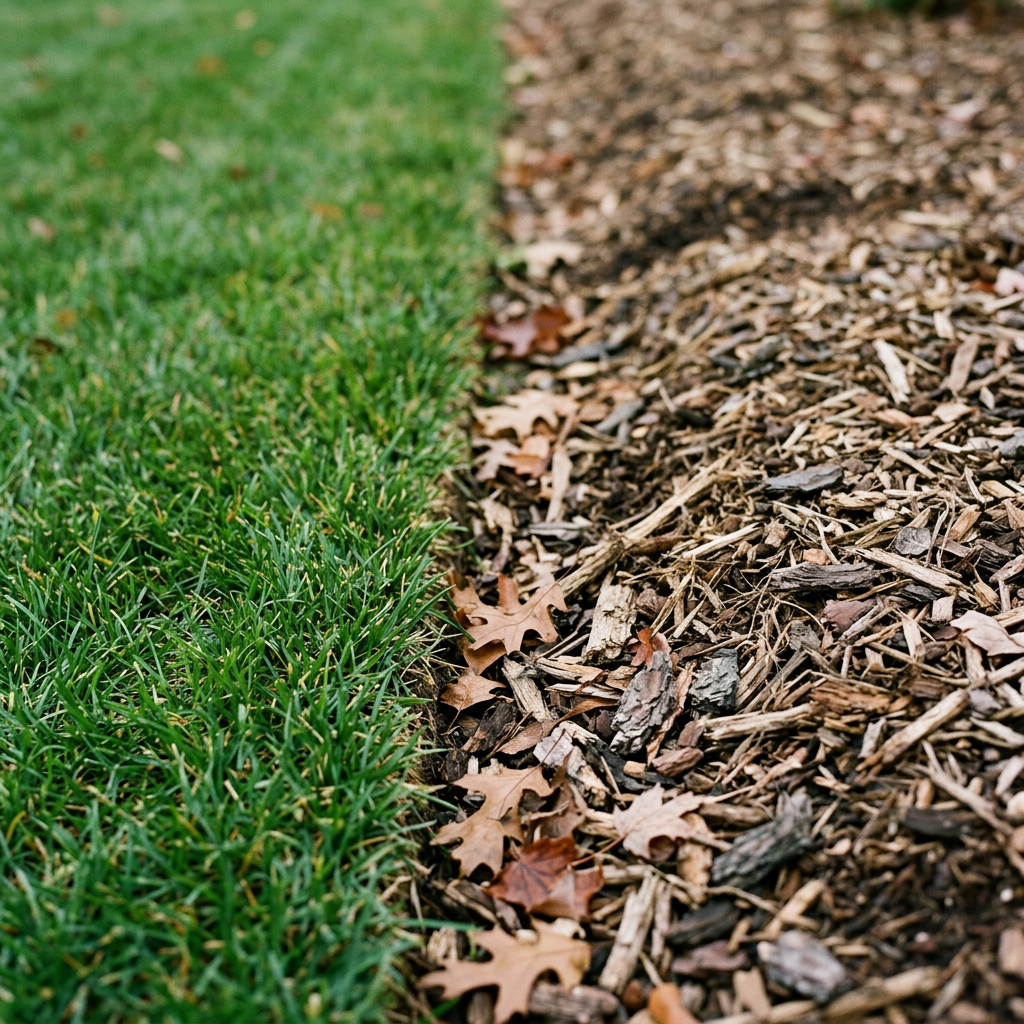
Look for this on the ground
Lawn and wood-chip edge
Manicured lawn meeting fresh hardwood mulch — suburban edge habitat.
Season Windows by Region
Region
Jan
Feb
Mar
Apr
May
Jun
Jul
Aug
Sep
Oct
Nov
Dec
North Cascades
WA · 1,500–8,000 ft
Central Cascades / Snoqualmie
WA · 1,500–7,000 ft
Olympic Peninsula
WA · 500–6,000 ft
Gifford Pinchot / South Cascades
WA · 1,000–8,000 ft
Mt Hood / North Oregon Cascades
OR · 2,000–8,000 ft
South Cascades / Klamath
OR · 4,000–9,000 ft
Northern Sierra / Tahoe
CA · 5,000–9,000 ft
Northwest CT Hills
CT · 400–2,380 ft
Willamette Valley / Columbia Gorge
OR · 200–1,500 ft
NW NJ / High Point
NJ · 400–1,803 ft
NJ Pine Barrens
NJ · 0–200 ft
Los Padres NF / Big Sur
CA · 0–8,831 ft
Shasta-Trinity NF
CA · 1,500–14,179 ft
Mendocino NF / Yolla Bolly
CA · 1,500–8,092 ft
Umpqua NF / Diamond Lake
OR · 1,000–9,173 ft
Siuslaw NF / Oregon Dunes
OR · 0–4,097 ft
Growing Requirements
Min Soil Temp
45°F
Moisture Need
rain 0.5in 7d
Drought Tolerance
low
Elevation Range
0–14,179 ft
Commonly Mistaken For
Species people confuse with this one — often the edible they were hunting for. Each is tagged with its own edibility; Wavy Cap is the dangerous one.
Galerina marginata (Deadly Galerina)
DeadlyDEADLY. Same size, same habitat (wood chips, decaying wood), similar caramel cap. Galerina does NOT bruise blue. Multiple fatalities have resulted from this misidentification — confirm the blue stain on cut/bruised stem before any handling.
Psilocybe allenii
PsychoactiveWest Coast counterpart, indistinguishable in the field — both contain psilocybin and the practical implications are identical.
Identification Tips
- ✓Bruise test: stem turns deep indigo blue within minutes of handling
- ✓Cap is genuinely wavy at the margin (not a flat disc)
- ✓Spore print: dark purple-brown
- ✓Legal status varies — possession is a federal crime in the US; some states (CO, OR) have decriminalized
Field Notes
Wood chips, mulch
Found Wavy Cap?
Photograph it and log your observation on iNaturalist. The community can help confirm your ID — always get confirmation before eating.
Safety: Never eat any wild mushroom without 100% certain identification from multiple sources. This page is for informational purposes only. When in doubt, throw it out.