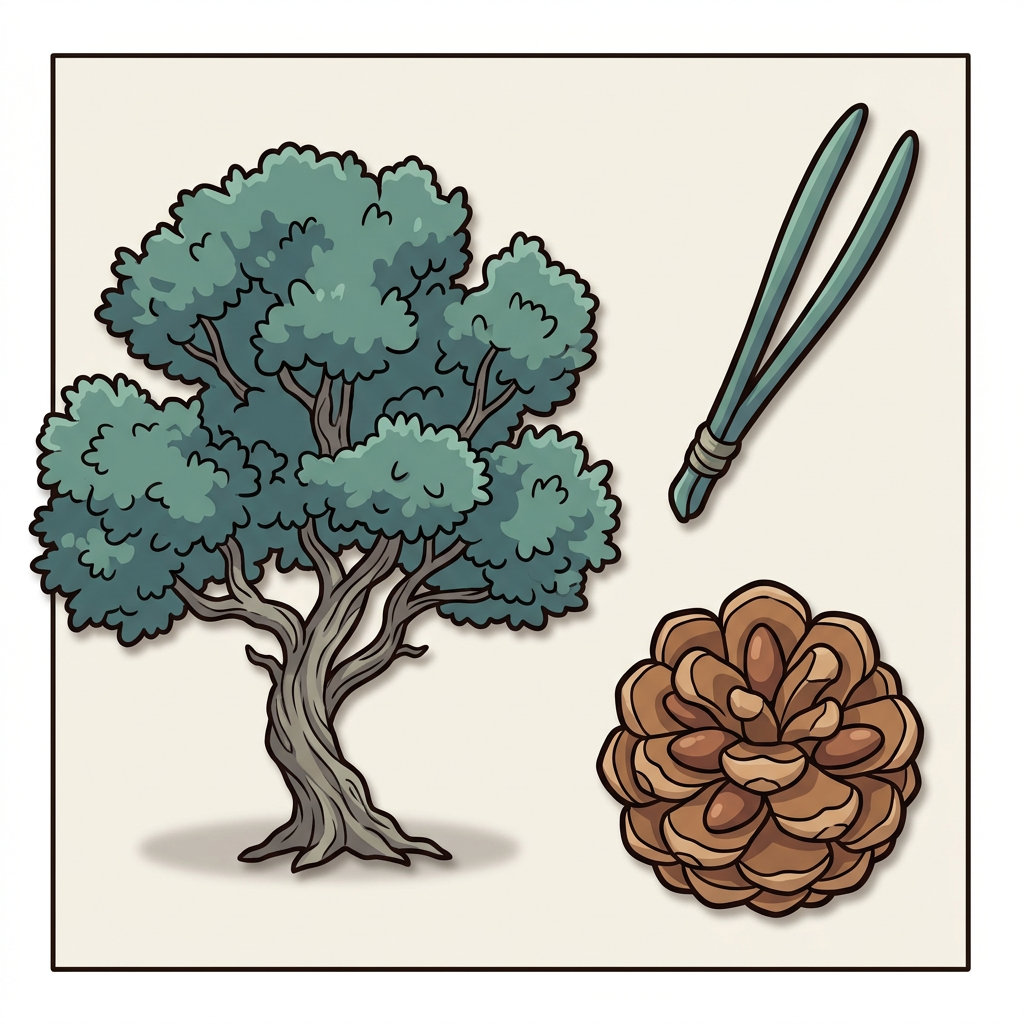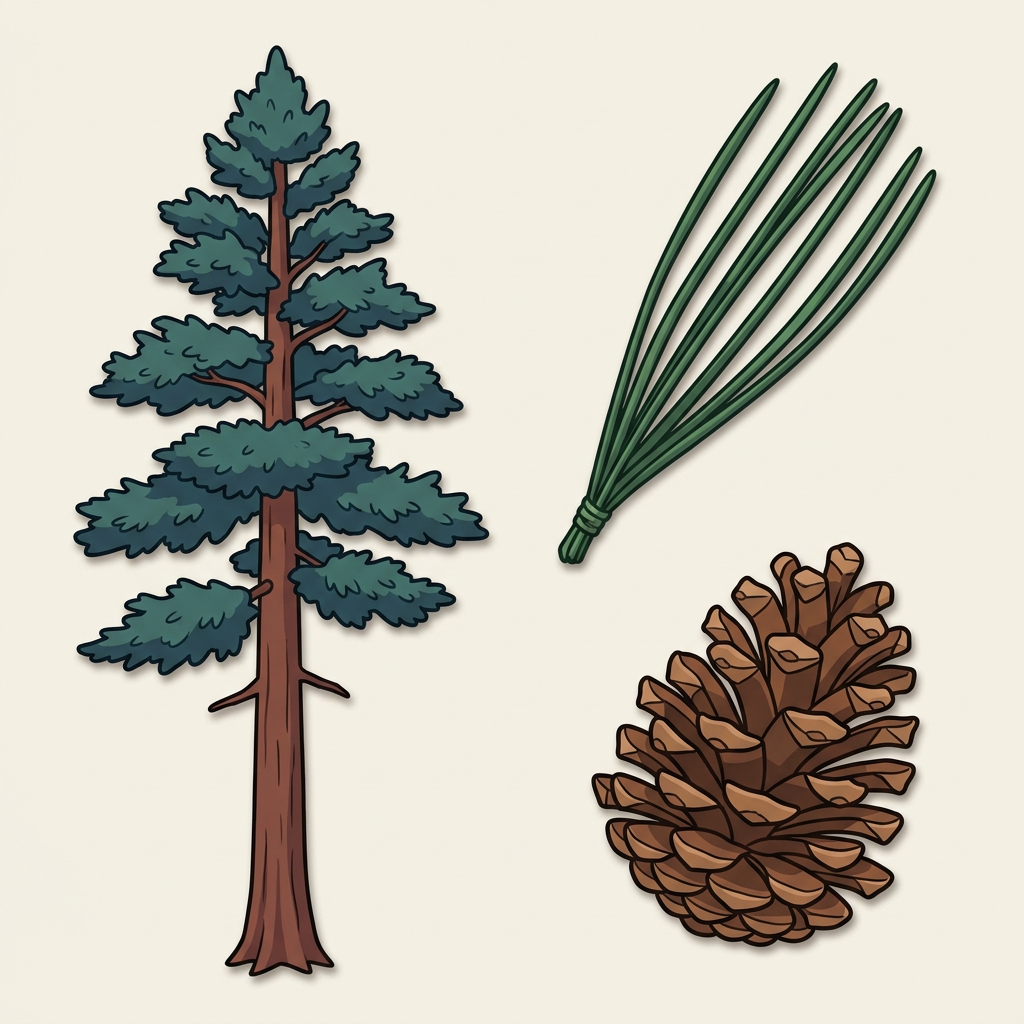
Pine
Pinus spp.Needles come in bundles — count them.
For the forager
Matsutake, slippery jack, suillus host.
Loading conditions…
Twenty-seven North American trees every mushroom forager should know, and a simple key to tell them apart with nothing but a twig in your hand.
Most of the mushrooms worth hunting are either feeding on a tree or trading sugar with its roots. Chanterelles, king boletes, and matsutake only grow under specific partners. Morels follow dying elms, ashes, and cottonwoods. Lion's mane wants beech and oak. If you can name the trees around you, you already know what can fruit there, and when you see a listing in the codex that says “under spruce,” you will know what to look for.
Every tree in this guide falls on one side of this split. Decide this first, then use the matching key below.
Conifers. Pine, spruce, fir, Douglas-fir, hemlock, larch, redwood. Most keep their needles all year (larch is the exception).
Use the conifer key →
Broadleaf trees (hardwoods). Oak, maple, birch, aspen, beech, and the rest. Most drop their leaves in fall; a few on the West Coast are evergreen.
Use the broadleaf key →
Pick a twig with needles on it. Work down the questions; each answer either names the tree or sends you to the next step.
How are the needles attached?
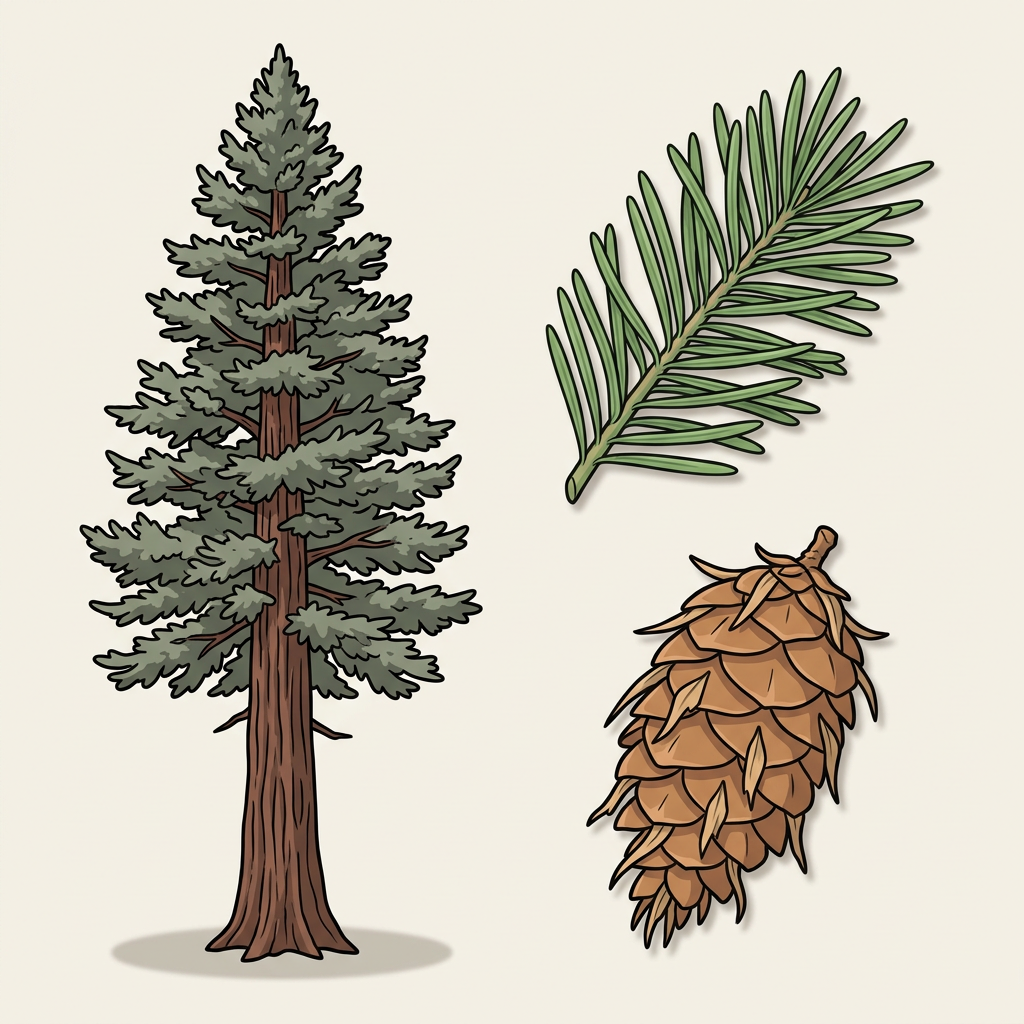
Pine
Ponderosa Pine
Pinyon Pine
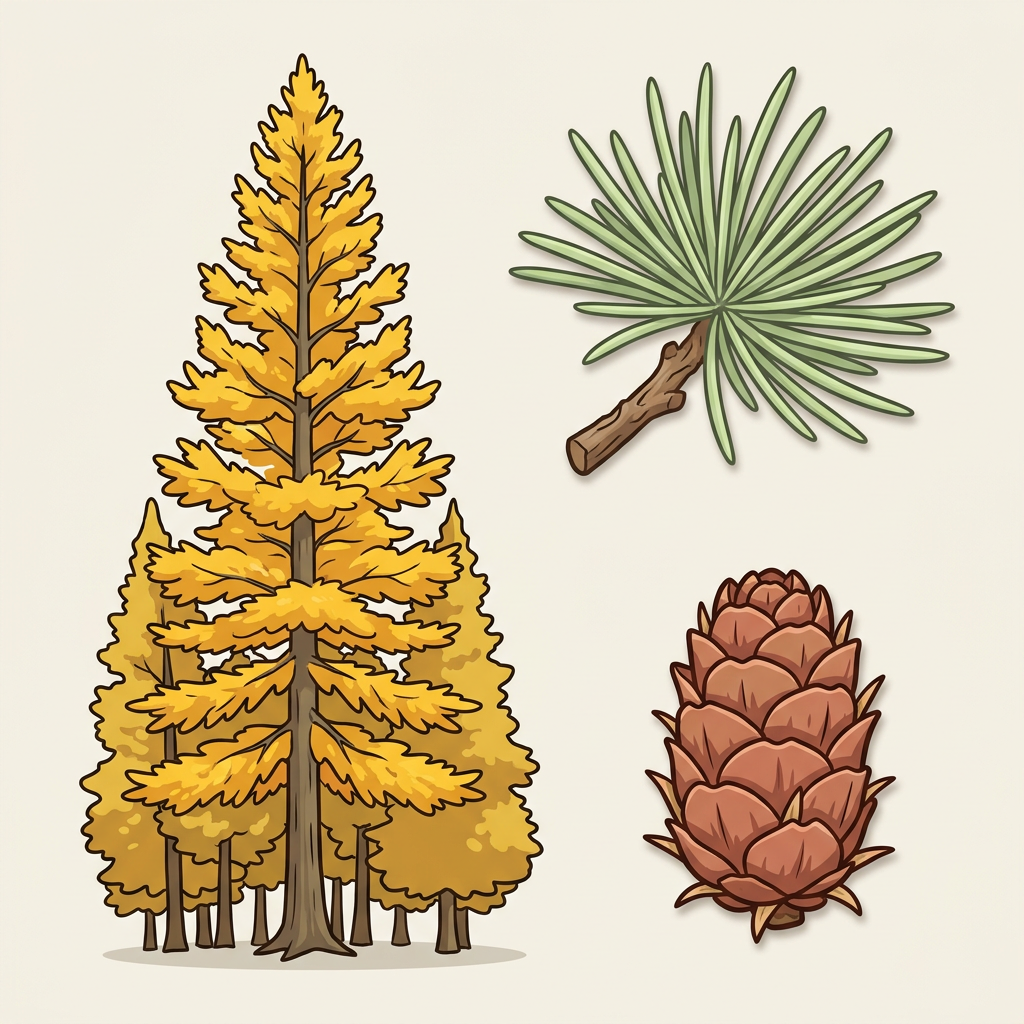
Larch / TamarackSingle needles: roll one between your finger and thumb.
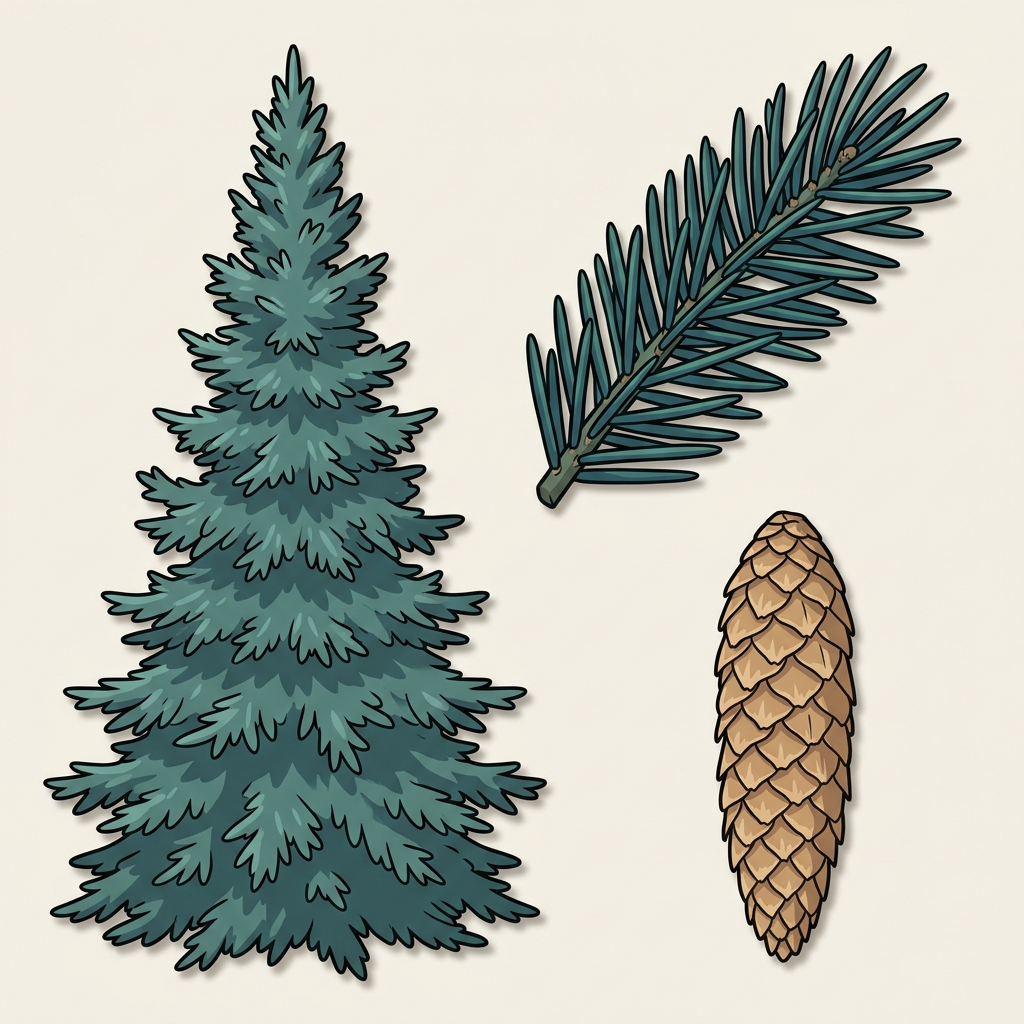
SpruceFlat needles: look at the cones and the buds.
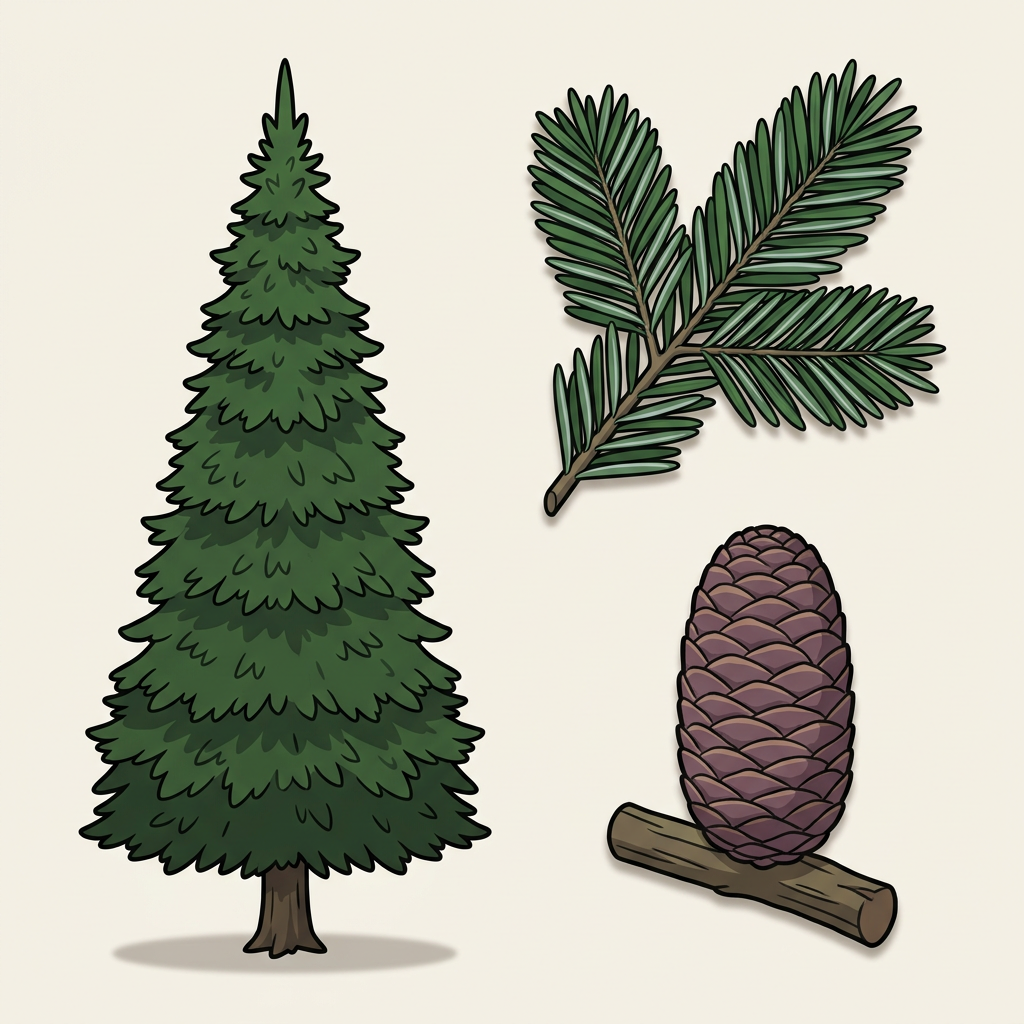
Fir
Douglas-fir
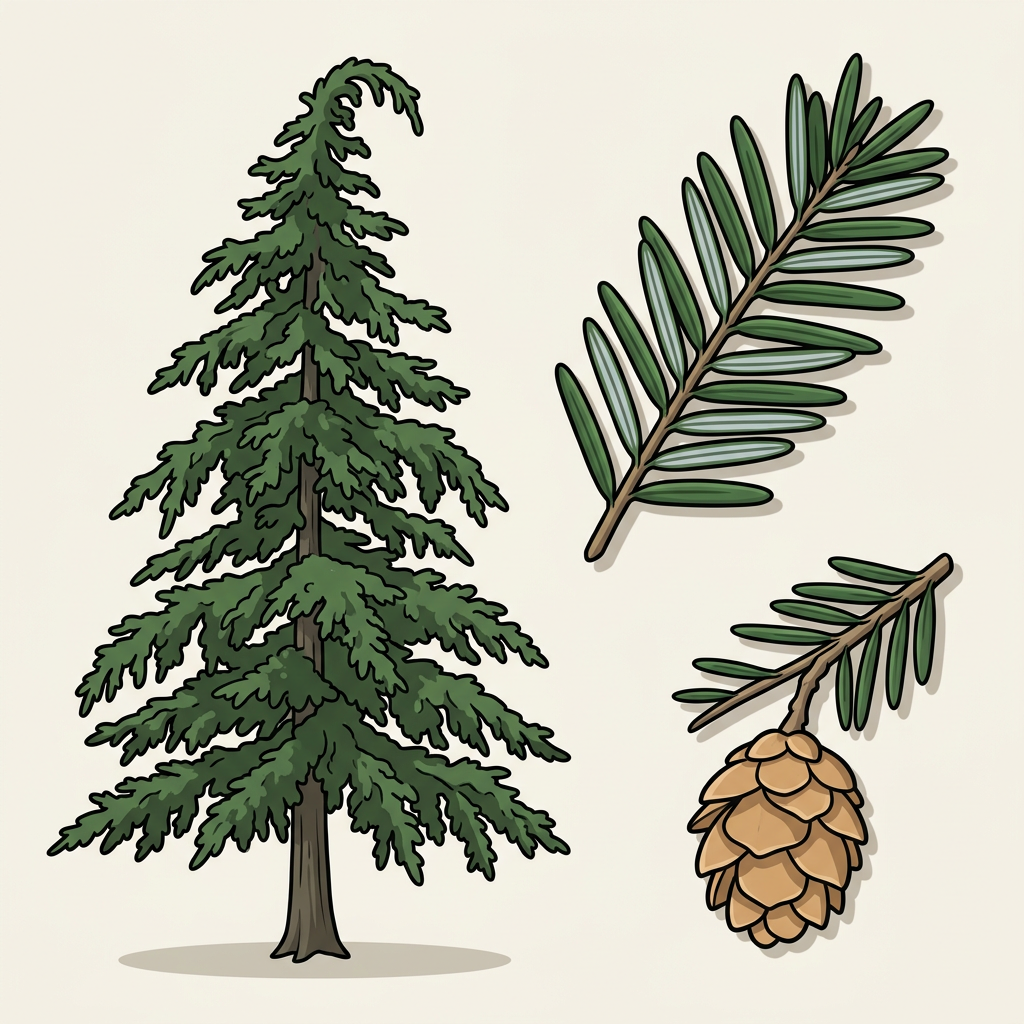
Hemlock
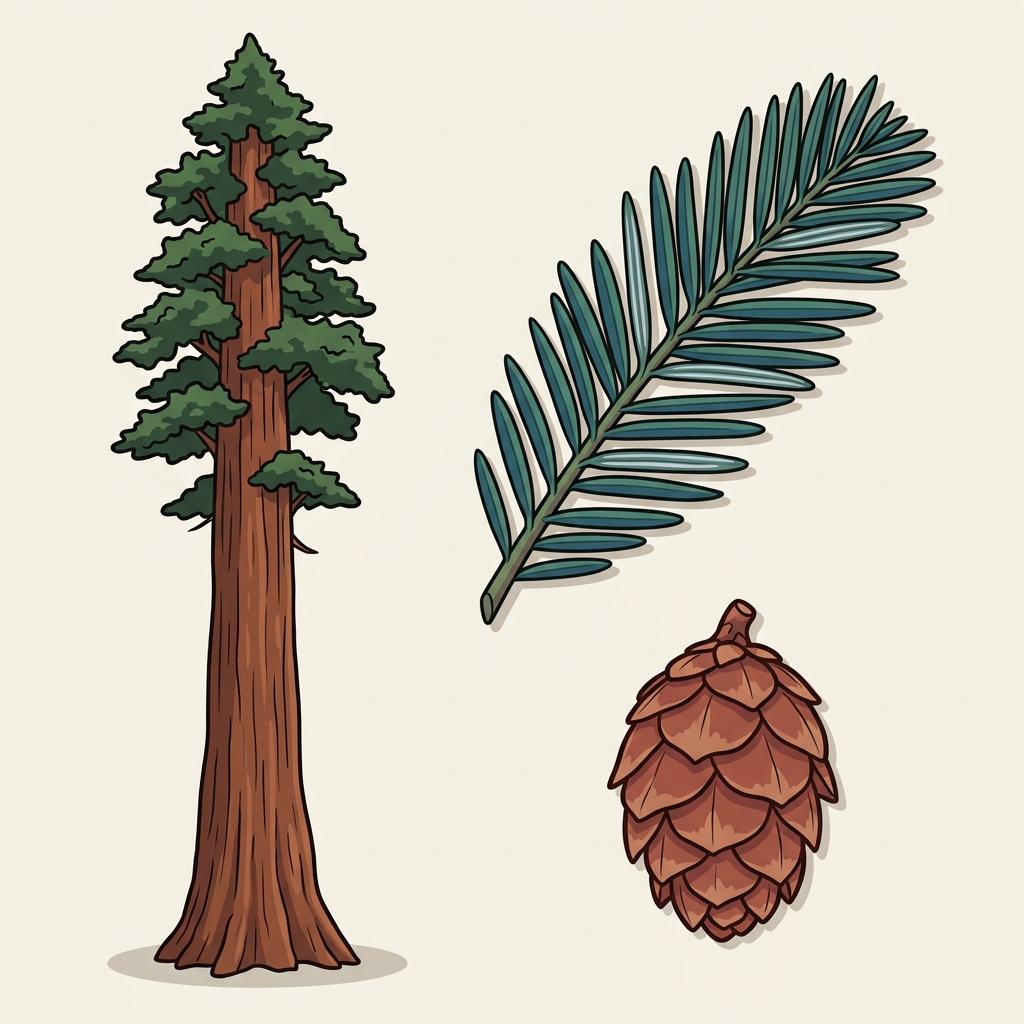
Coast RedwoodLook at how leaves attach to the twig before you look at the leaf itself. In winter the buds and leaf scars follow the same pattern, so this key still works on a bare tree.
Are the leaves (and buds) opposite each other on the twig, or alternating?
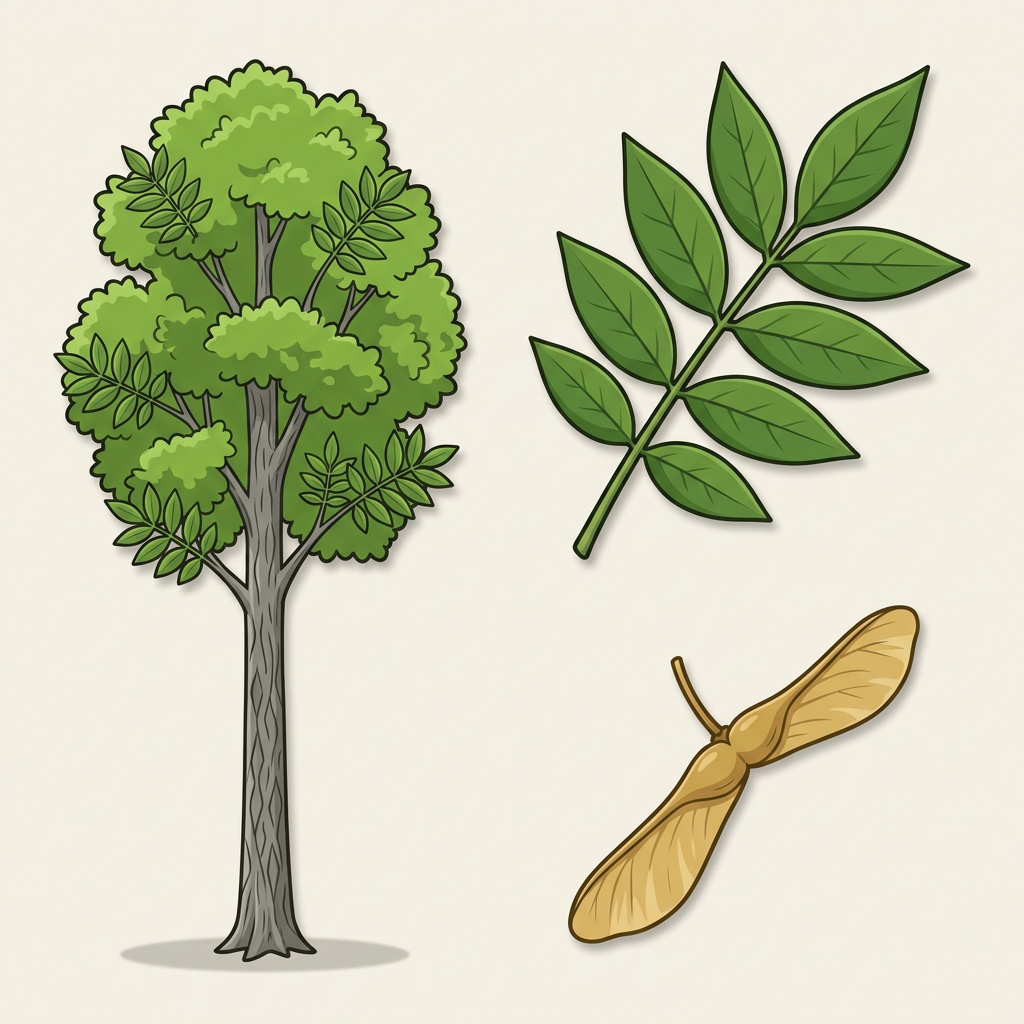
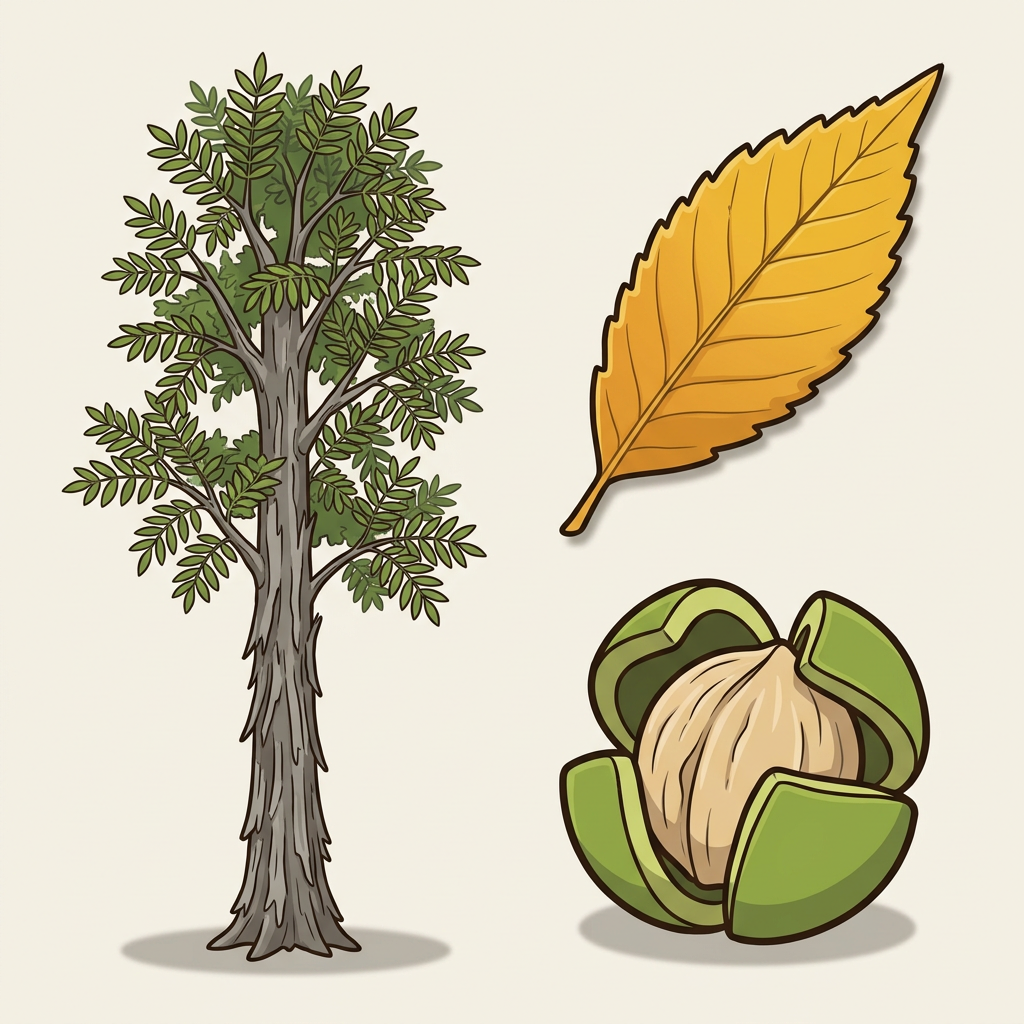
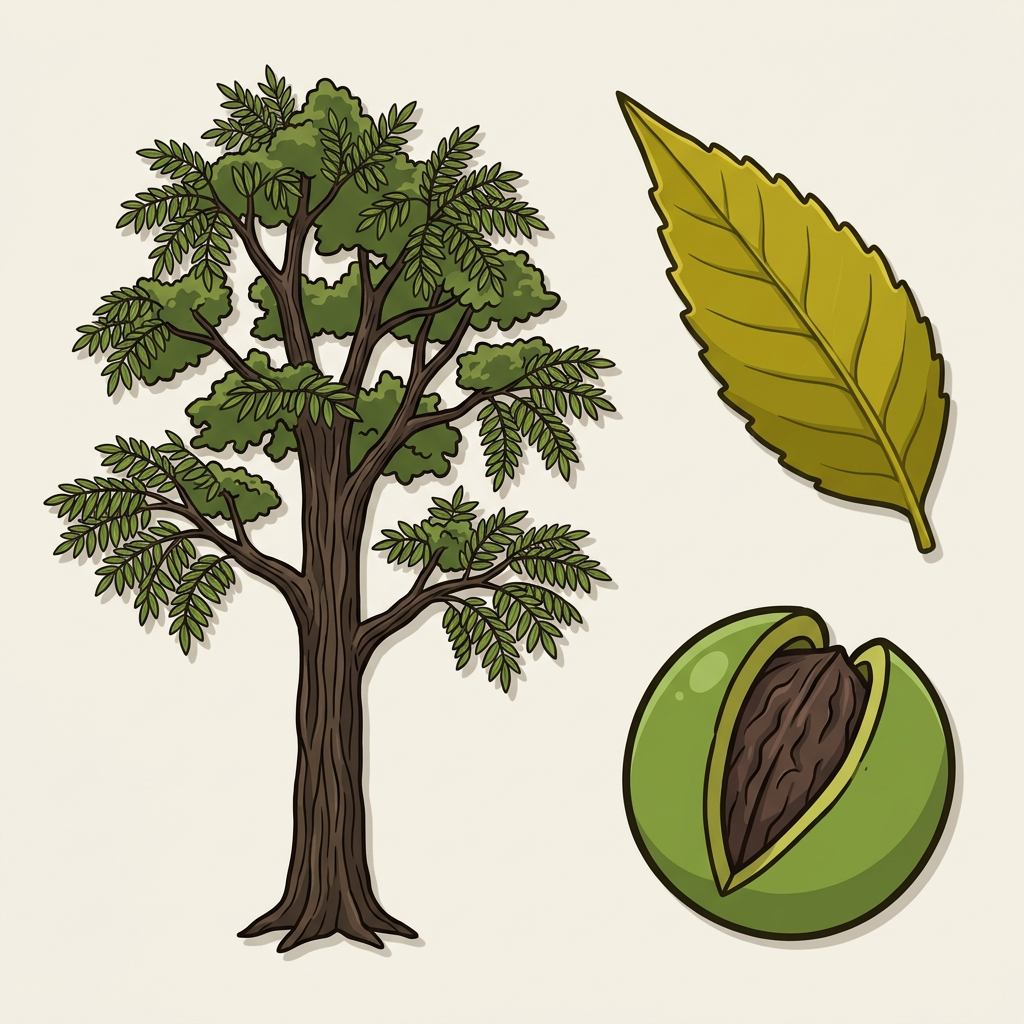
Alternate leaves: is each leaf one blade, or a stem with many leaflets?
Hickory
Black WalnutSimple alternate leaves: lobed or not?
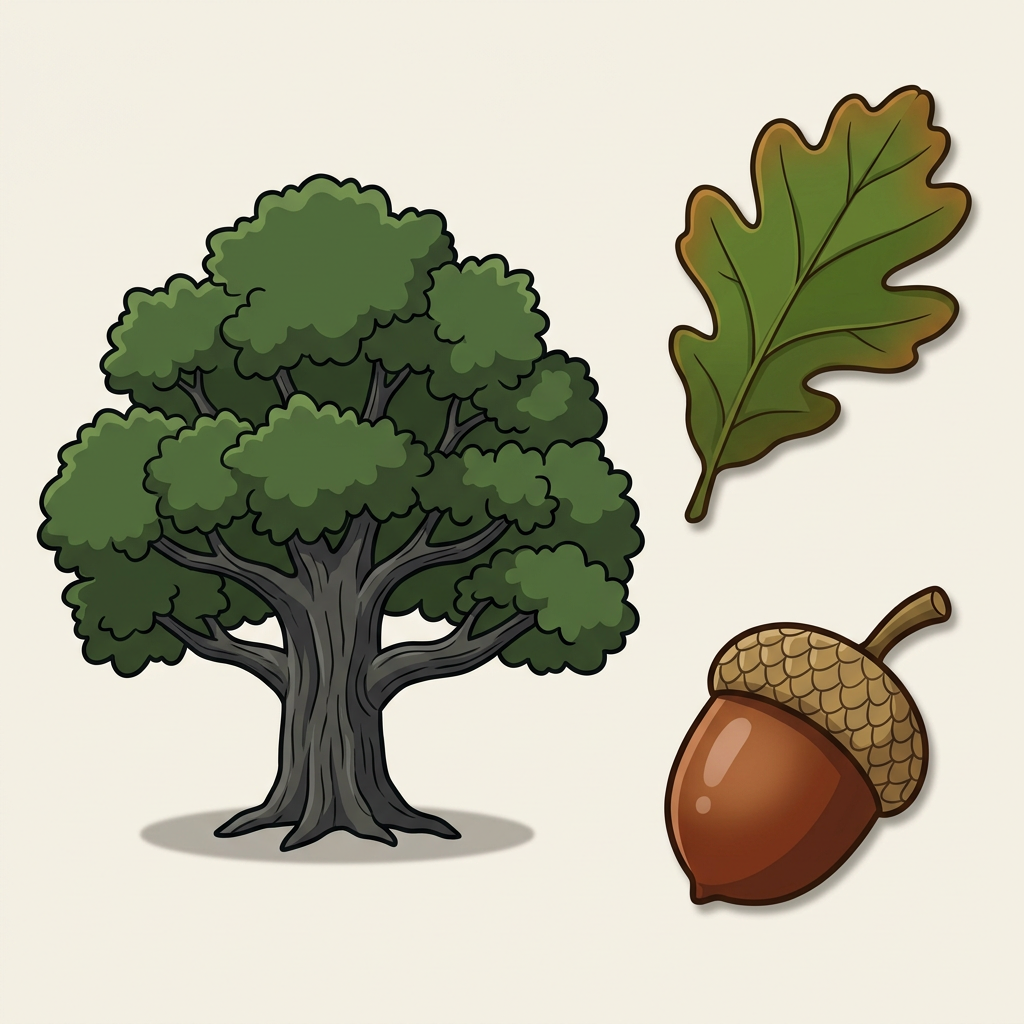
Oak
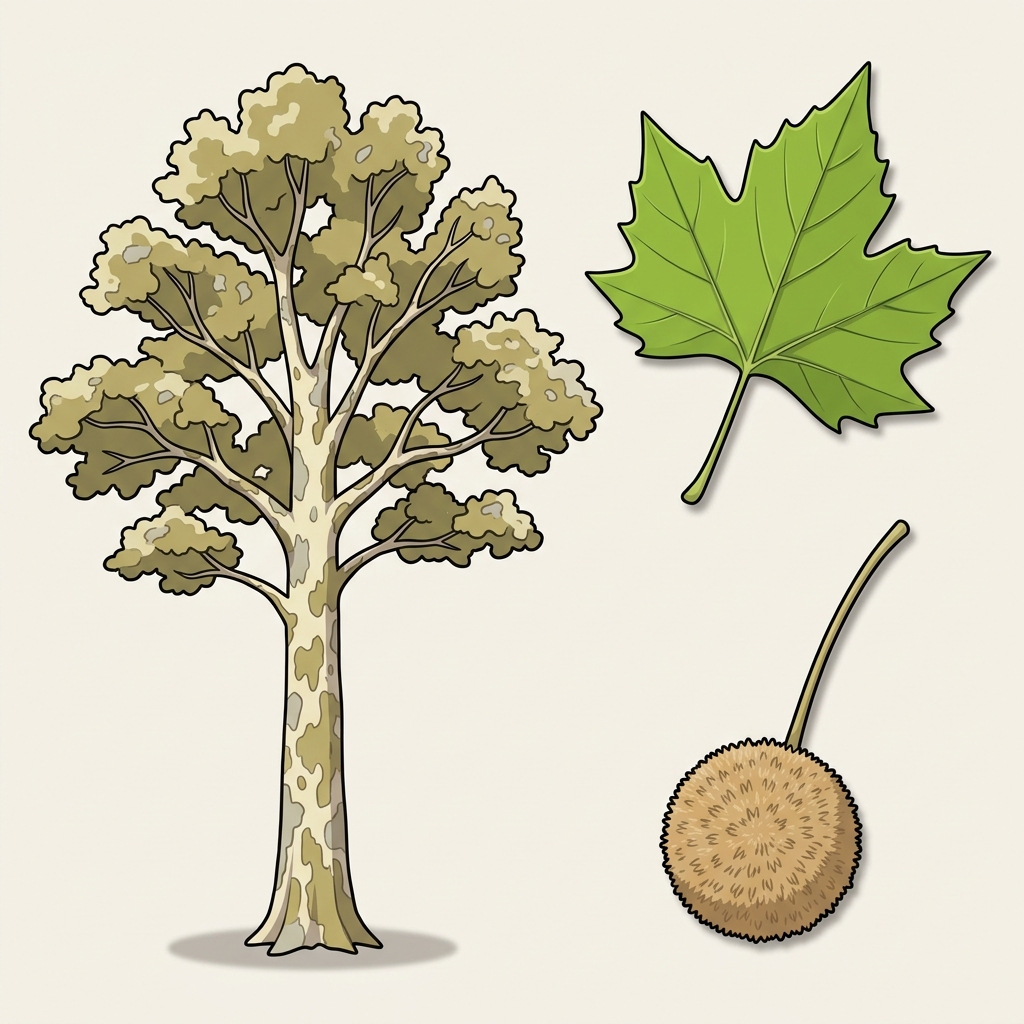
Sycamore
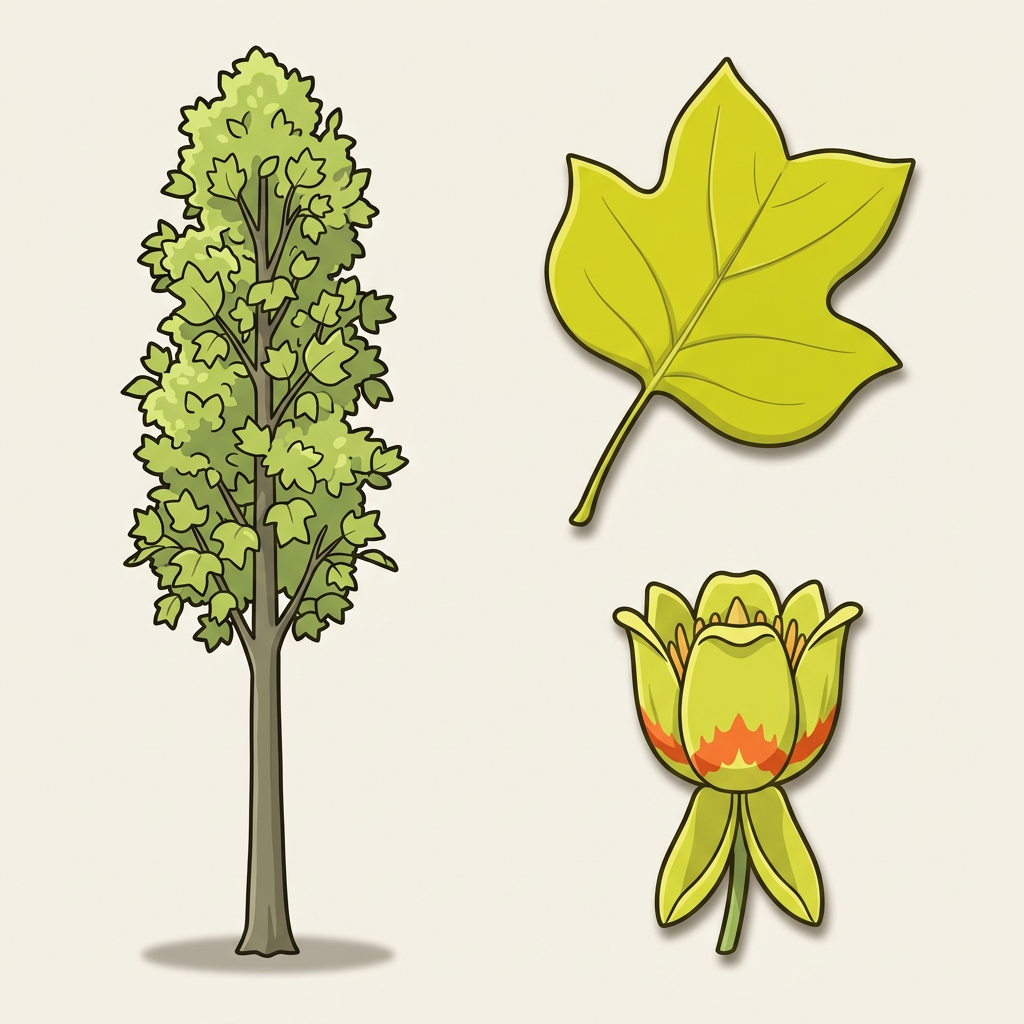
Tulip Tree / Yellow PoplarUnlobed alternate leaves: now read the bark and the seed.
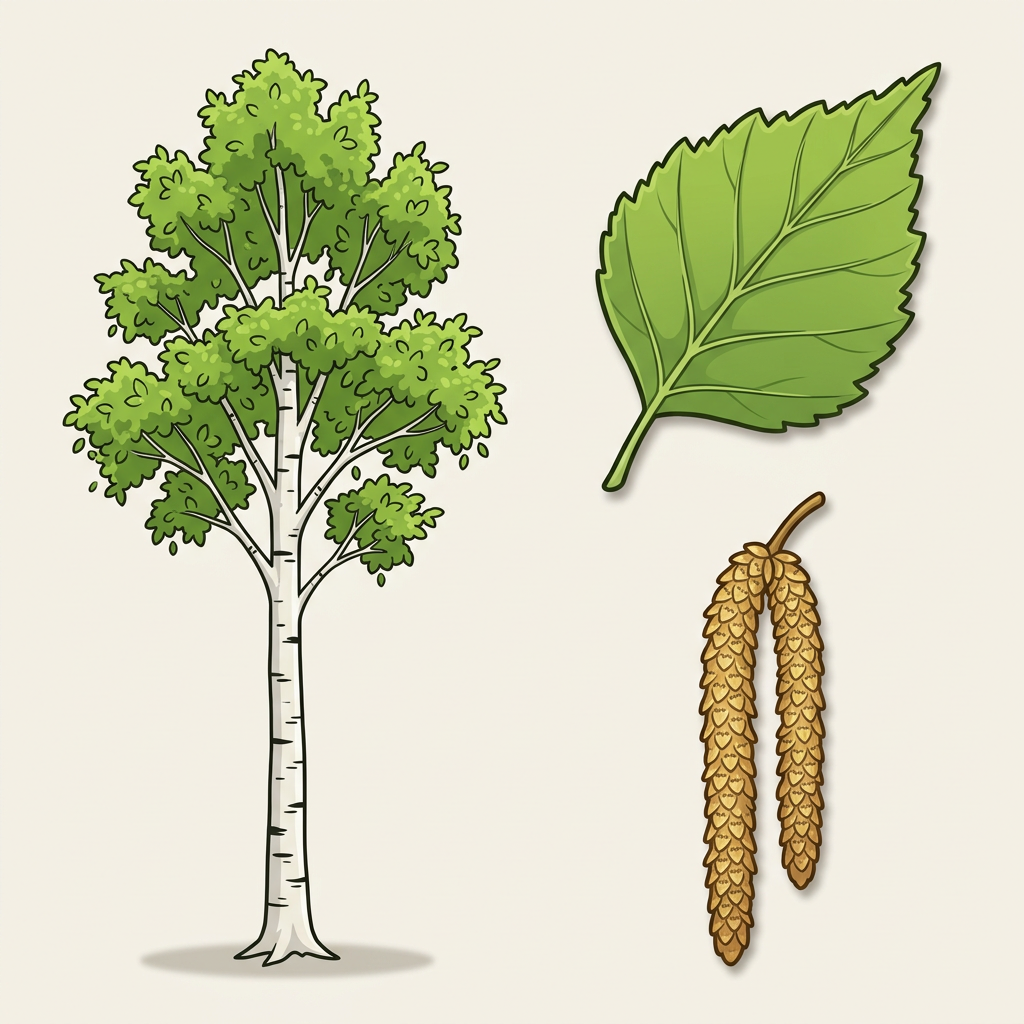
Birch
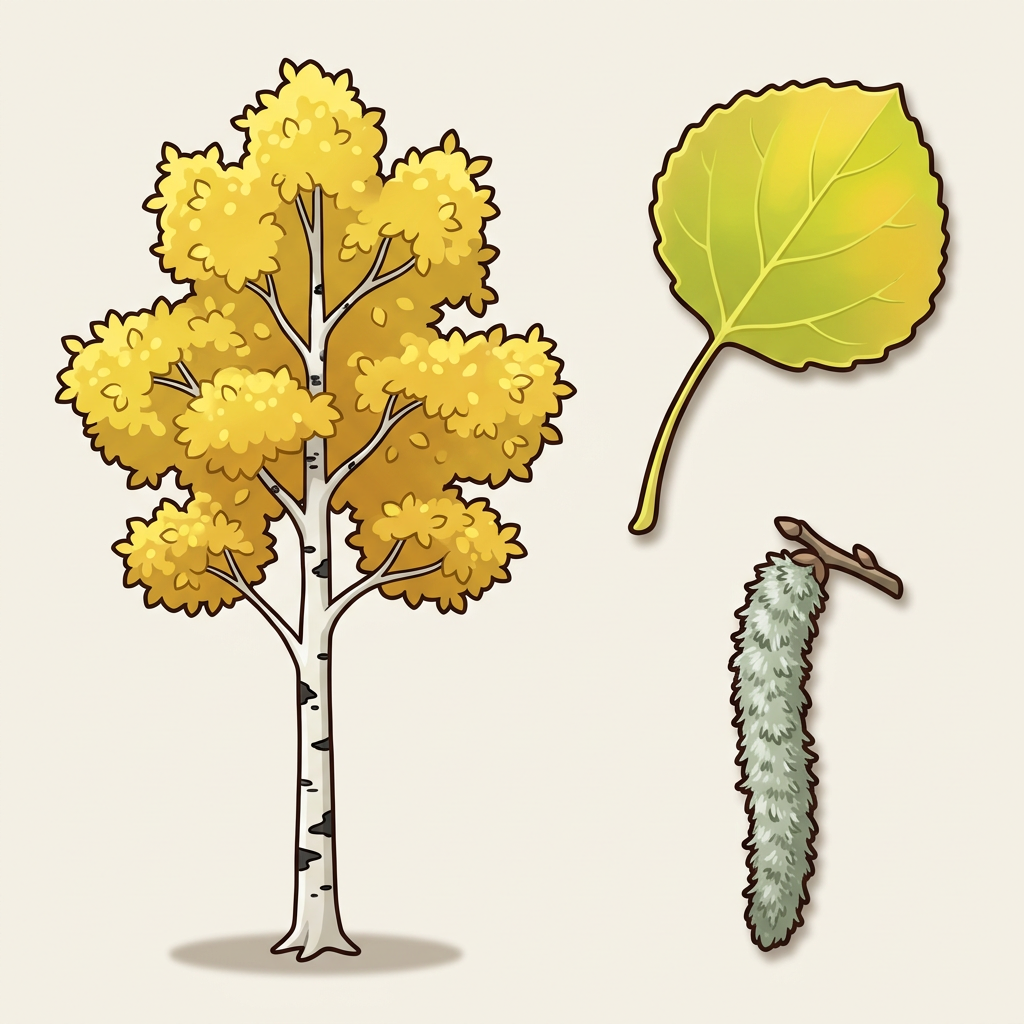
Aspen
Cottonwood
Alder
Beech
Hornbeam / Ironwood
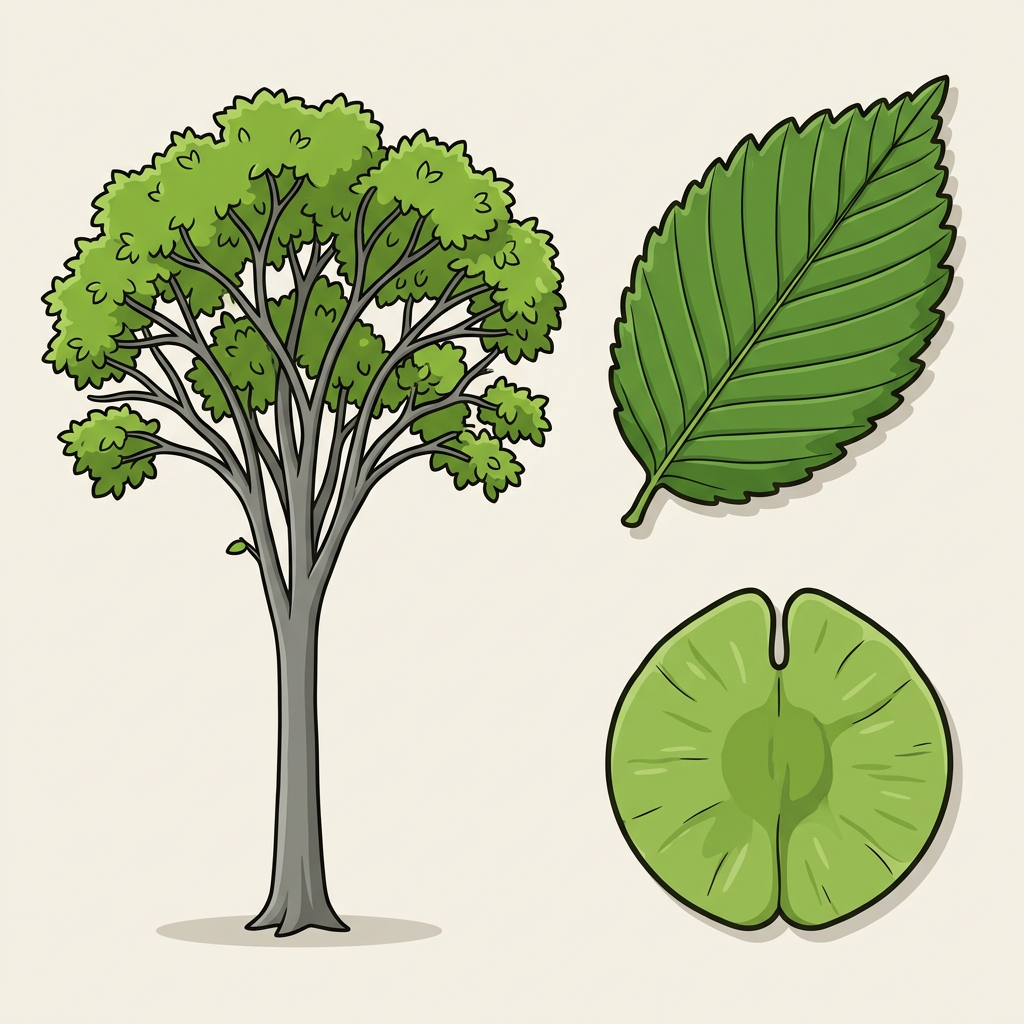
Elm
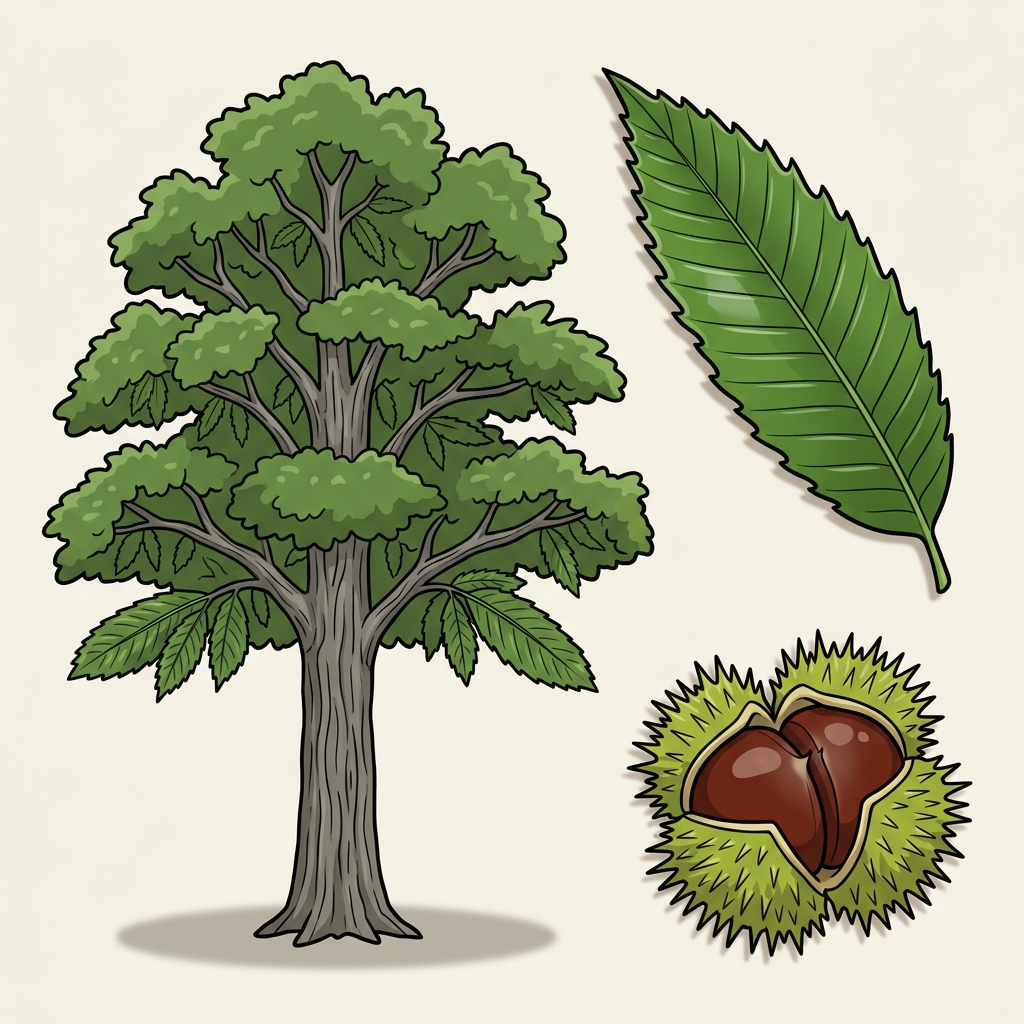
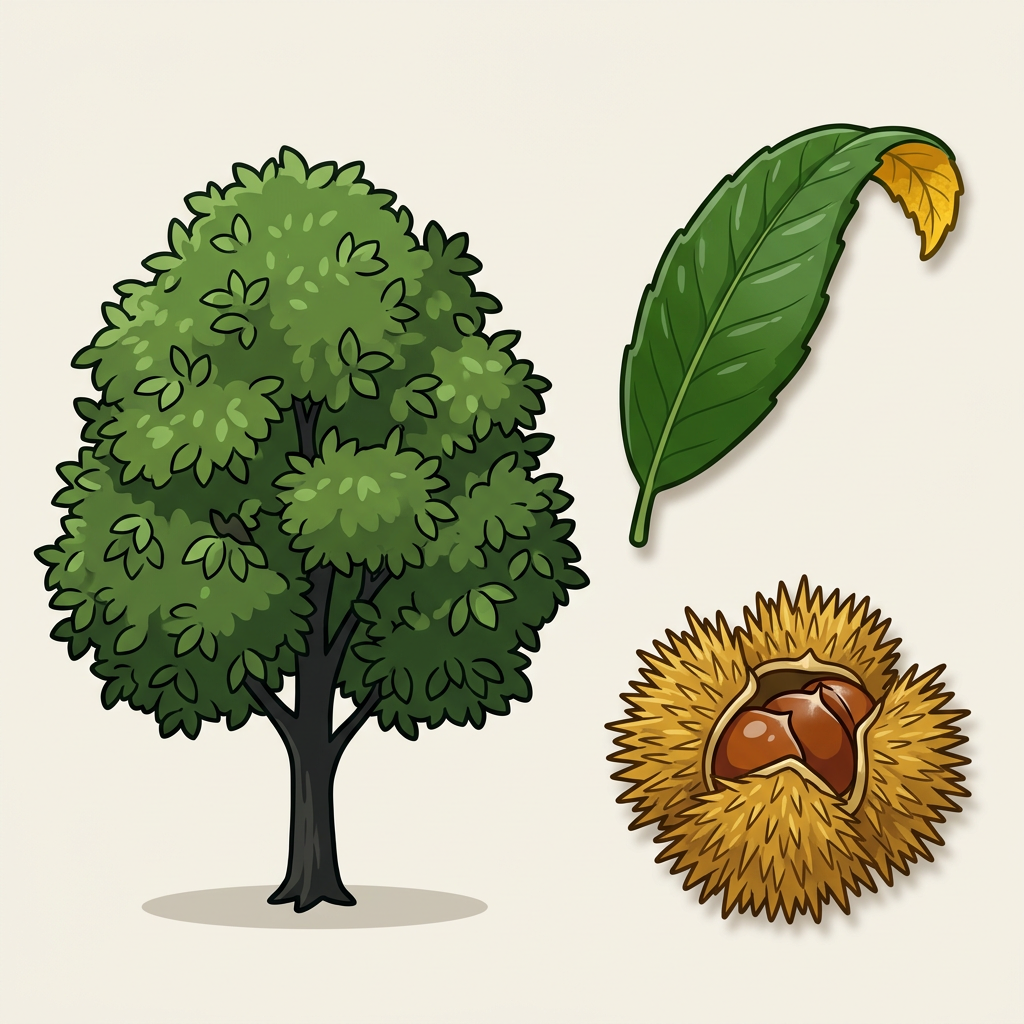
American Chestnut
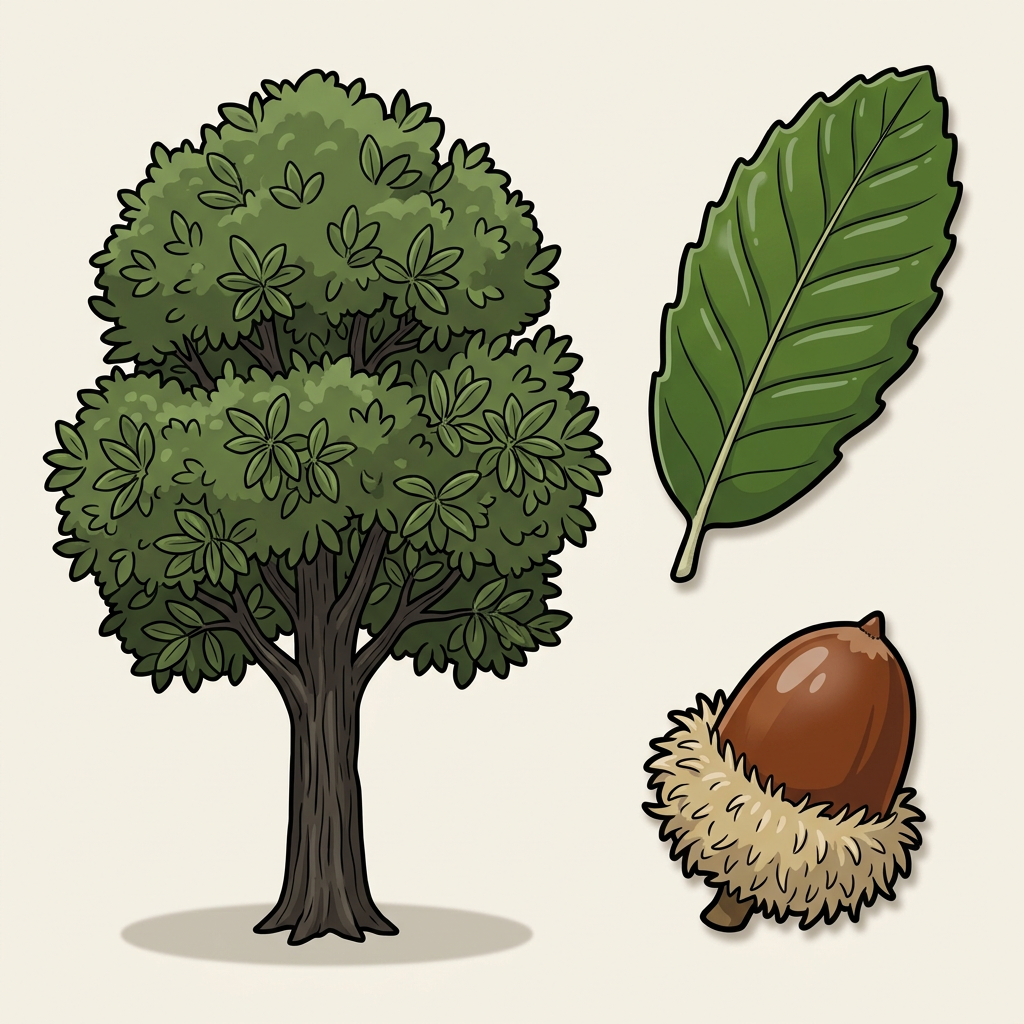
Tanoak
Golden Chinquapin
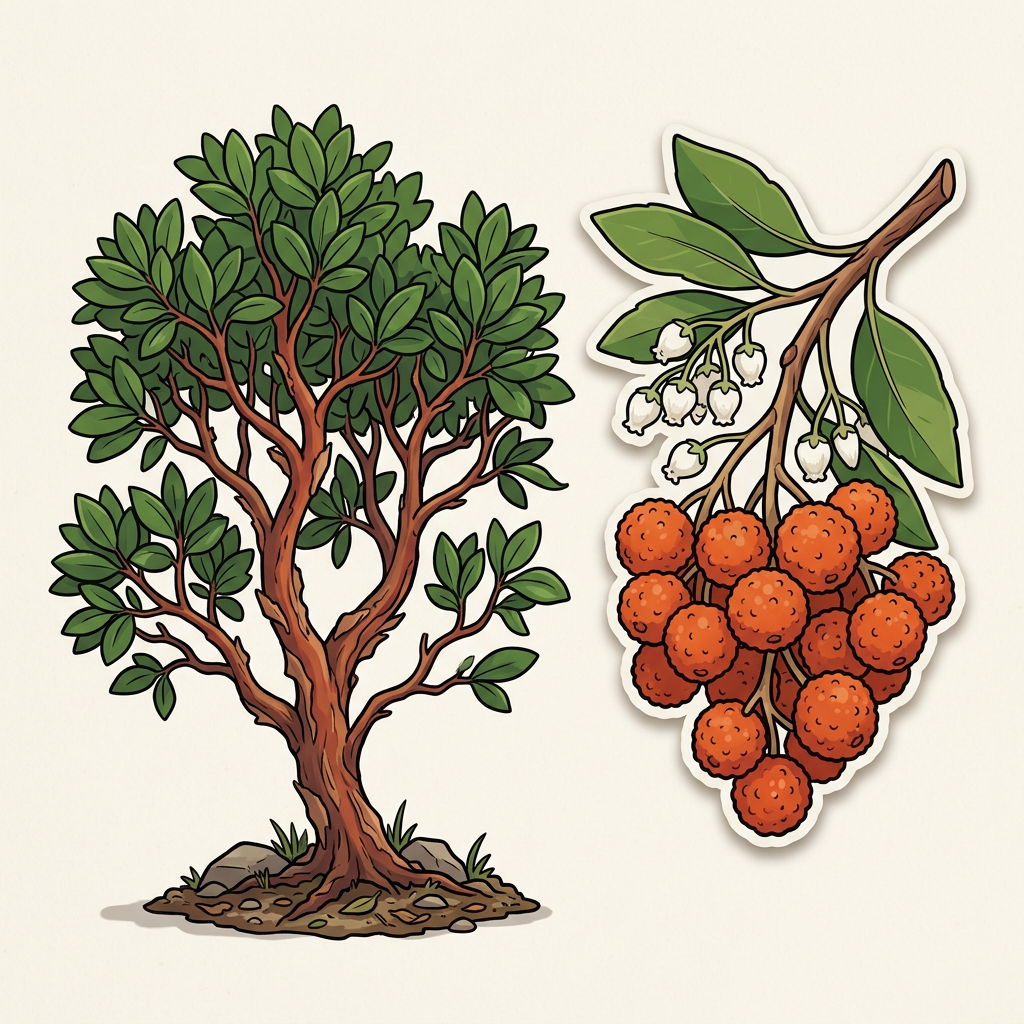
MadroneNeedles and cones. Most of the prized mycorrhizal mushrooms — king boletes, matsutake, chanterelles in the West — partner with these.

Needles come in bundles — count them.
For the forager
Matsutake, slippery jack, suillus host.

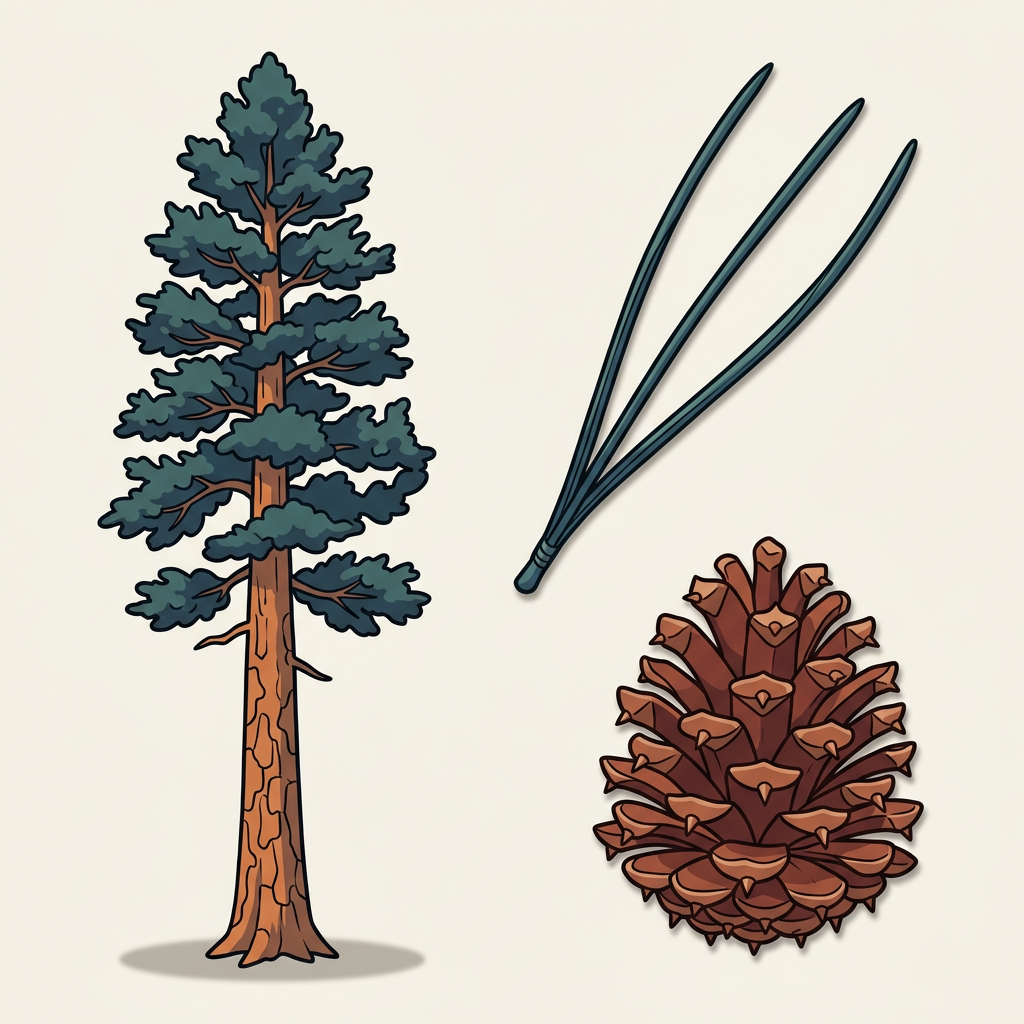
Three long needles per bundle and bark that smells like vanilla.
For the forager
Iconic western pine. Bolete + chanterelle + Suillus host. Vanilla-scented bark.

A short, bushy pine with stubby paired needles and nut-filled cones.
For the forager
Pinyon nut edible. SW truffle / bolete host.

Needles are sharp, square, and roll between your fingers; the twig is rough with pegs.
For the forager
King bolete, spruce tips edible.

Flat, soft needles with a round leaf scar, and cones that stand up and shatter.
For the forager
Matsutake, king bolete, chanterelle host.

Mouse-tail cones and pointed cinnamon-colored buds.
For the forager
Chanterelle, matsutake, king bolete host (PNW).

Tiny cones, short flat needles in two rows, and a nodding top.
For the forager
Reishi (G. tsugae), matsutake host.

The conifer that drops its needles.
For the forager
Deciduous conifer; host of Suillus grevillei + many larch-specific boletes.

Spongy red bark, needles in flat sprays, and a trunk wider than a car.
For the forager
Iconic CA/OR coastal; not a major ECM host but duff hosts many saprobes.
Only a handful of trees grow their leaves in pairs. If the leaves are opposite, you are almost done.

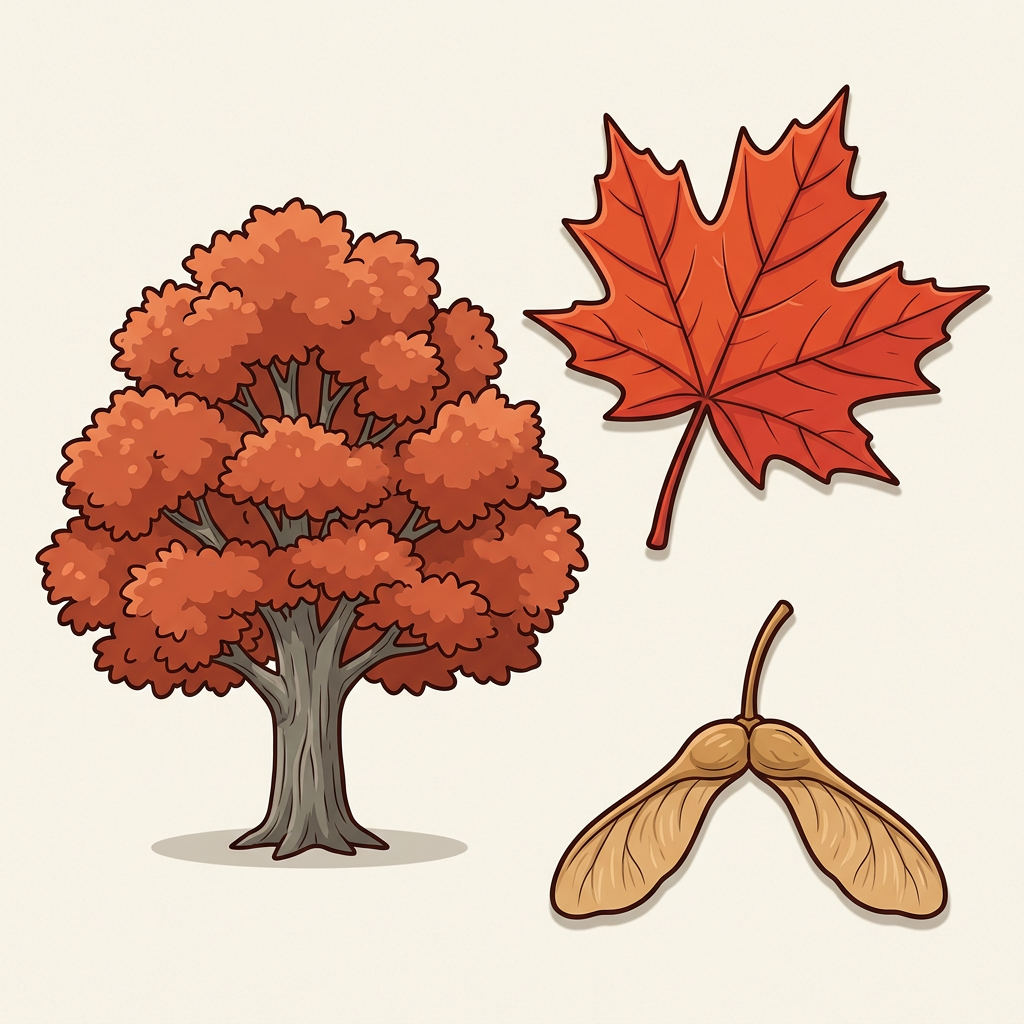
Opposite leaves with palm-shaped lobes and helicopter seeds.
For the forager
Northern tooth, honey mushroom, sap → syrup.

Opposite compound leaves and diamond-patterned bark.
For the forager
Morel indicator (dying ash from EAB damage).
The big group. Sort them by compound vs simple, lobed vs not, then read the bark and the seed.

Shaggy bark peeling in long plates, five leaflets, thick-husked nuts.
For the forager
Huge Eastern bolete + russula host. Hickory nuts edible.

Fifteen or more leaflets, a chambered pith, and nuts that stain your hands brown.
For the forager
Morel indicator along riparian bottoms. Juglone inhibits many understory plants.

Lobed leaves, acorns, and buds clustered at the twig tip.
For the forager
Truffle / bolete / chanterelle host. Acorns edible after leaching.

Camouflage bark peeling to bone-white, and fuzzy seed balls on strings.
For the forager
Morel indicator — dying old sycamores in creek bottoms produce flushes.

A leaf that looks like someone cut the tip off.
For the forager
Eastern hardwood; saprobic oyster + chicken-of-the-woods on standing dead.

Papery bark that peels in horizontal curls, with dash-shaped marks.
For the forager
Chaga, birch bolete, birch polypore host.

Smooth greenish-white bark and leaves that shiver in no wind at all.
For the forager
Leccinum / aspen bolete / aspen oyster host.

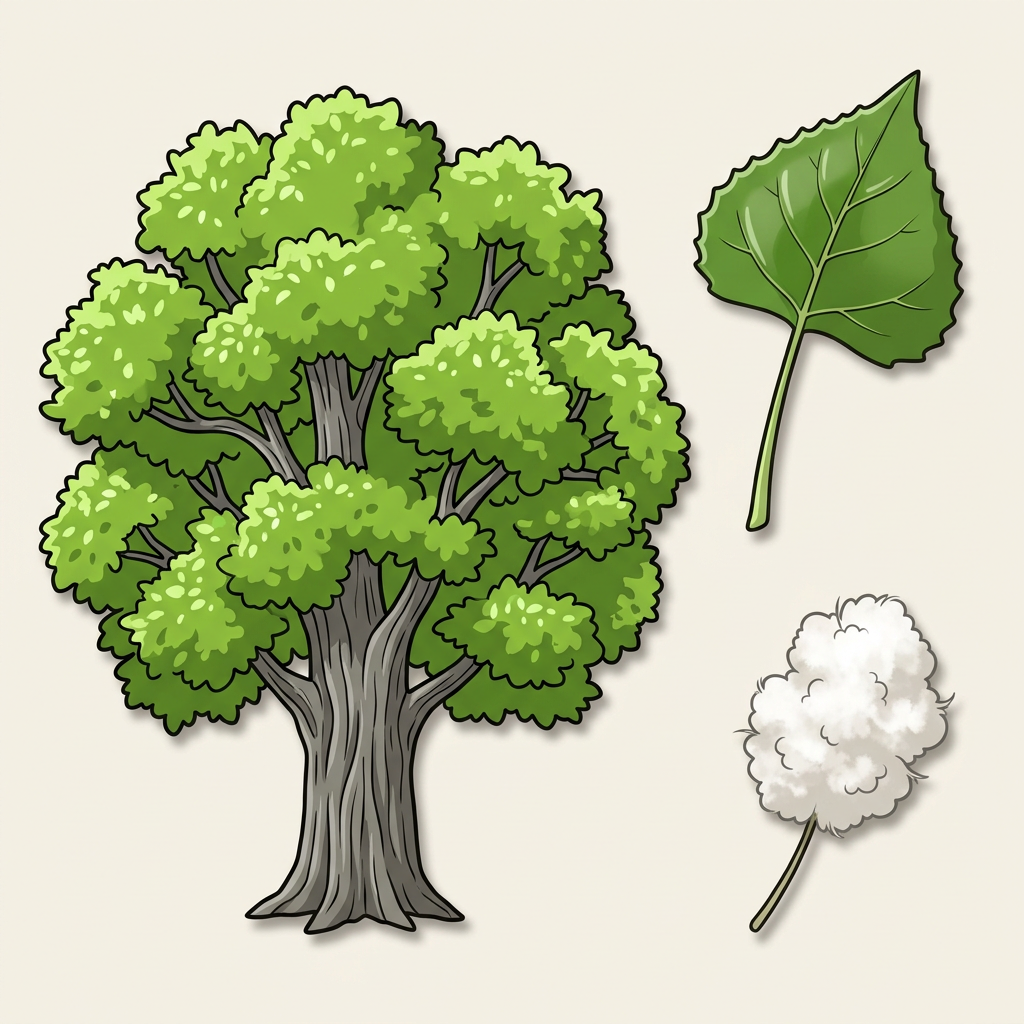
A giant on the riverbank with triangular leaves and cotton in June.
For the forager
Morel indicator (dying cottonwoods along rivers).

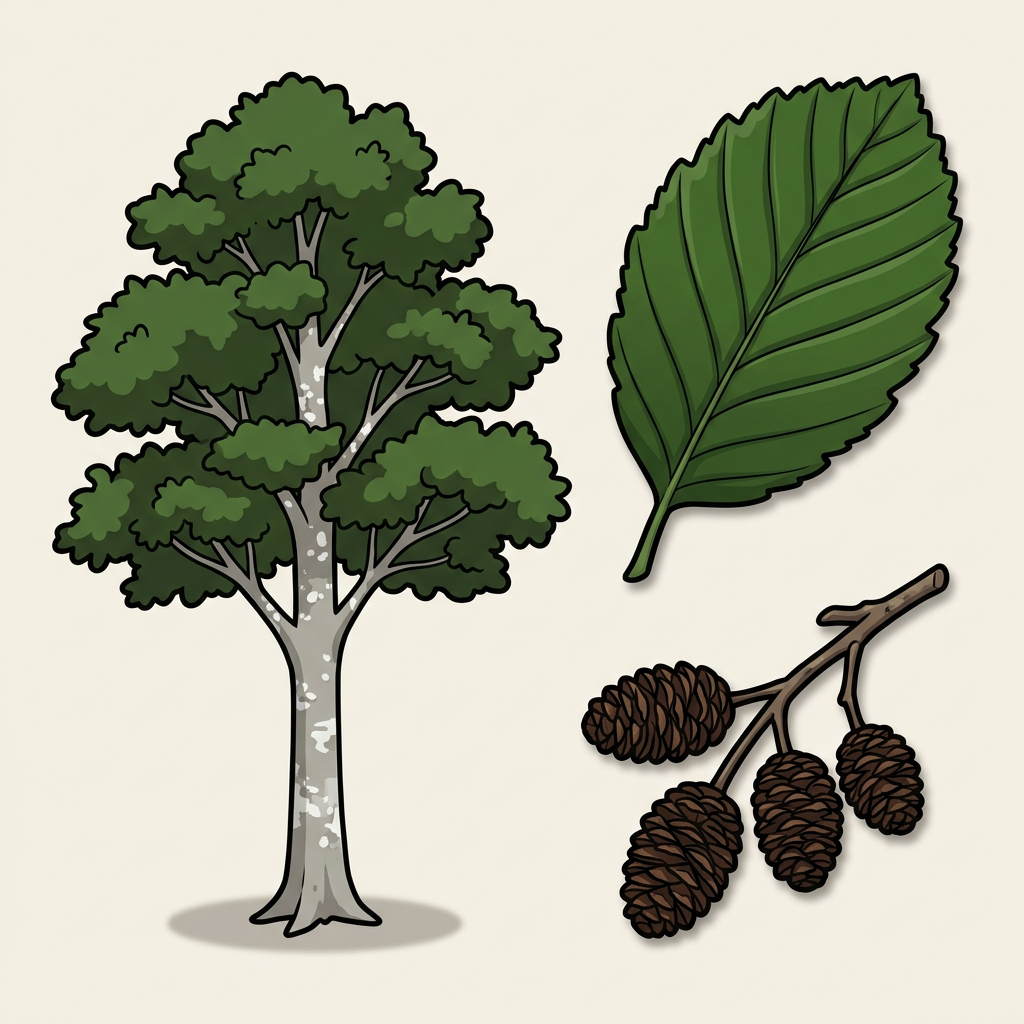
Little woody cones on a broadleaf tree, growing by water.
For the forager
Alnicola / Paxillus host; N-fixer near streams.

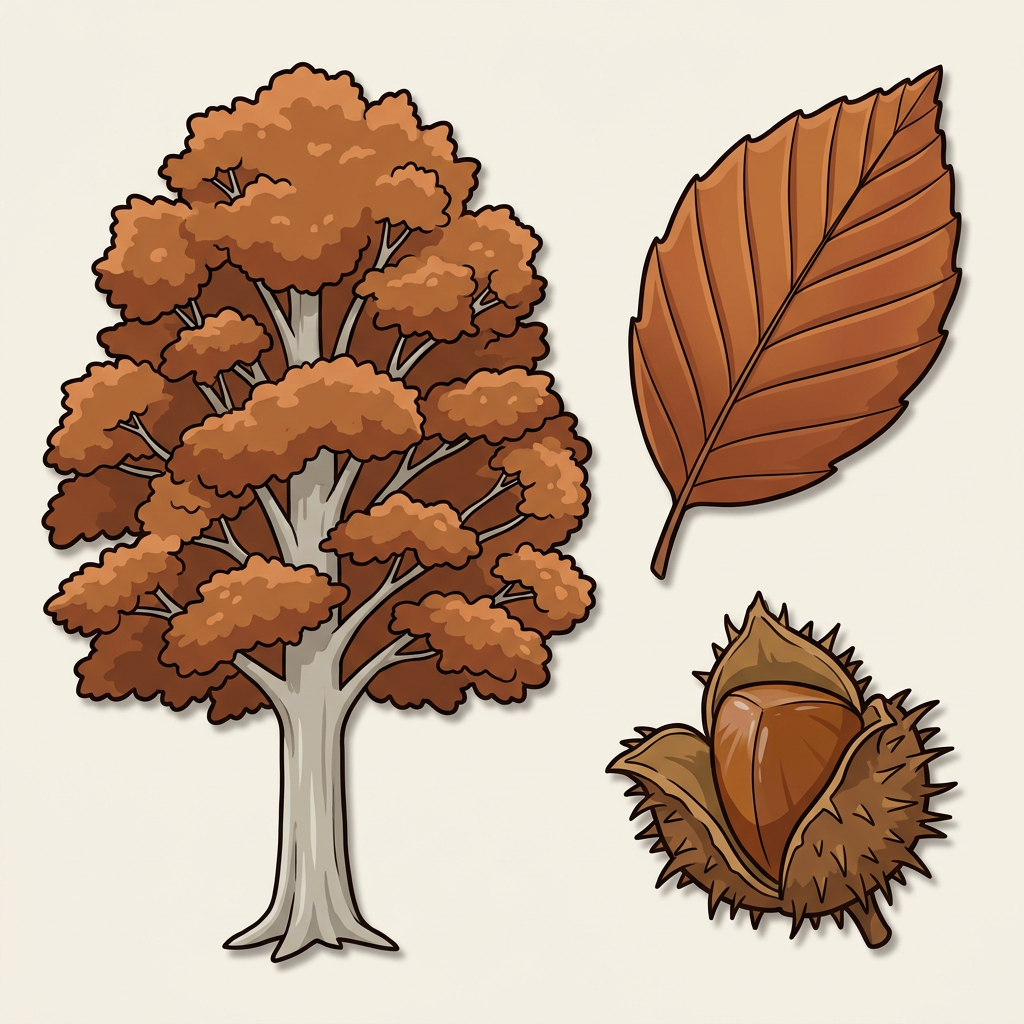
Smooth silver bark, cigar-shaped buds, and leaves that hang on all winter.
For the forager
Lion's mane, truffle, bolete host. Beechnuts edible.

Bark that looks like a flexed forearm.
For the forager
Eastern understory. Truffle + Leccinum host; related to hazel.

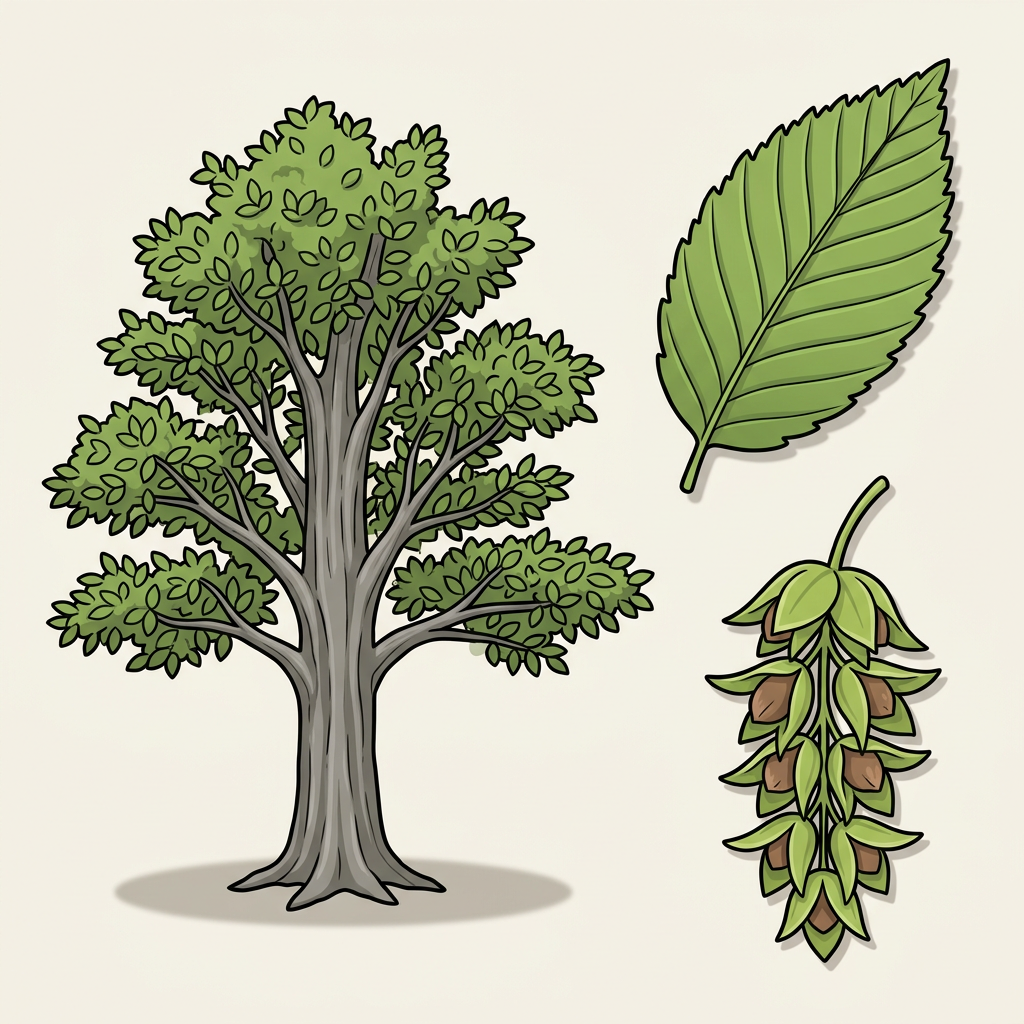
A lopsided leaf base and a vase-shaped crown.
For the forager
Morel indicator (dying elms). Elm oyster host.

Long leaves with hooked teeth, sprouting from a blighted stump.
For the forager
Historically the dominant Eastern ECM tree; blight-diminished but being restored.
Leathery leaves that stay on all year. Tanoak and chinquapin are important chanterelle and bolete partners in the coast ranges.

Leathery toothed leaves with a fuzzy pale underside, and bristly acorns.
For the forager
PNW/CA matsutake + candy-cap host. Shares ECM with oaks.

Flip the leaf: solid gold underneath.
For the forager
Pacific ECM; truffle + Russula host. Related to oak.

Cinnamon-red bark peeling to smooth green.
For the forager
West Coast; shares ECM network with oaks.
Look down before you look up.
Acorns, cones, nuts, helicopter seeds, and last year's leaves pile up at the base of the tree that dropped them. The ground tells you what is overhead without binoculars.
Check the twig, not the leaf.
Whether buds and leaves sit opposite each other or alternate along the twig is the single most useful split for broadleaf trees, and it works in winter. Among common native trees, only maple, ash, dogwood, and buckeye (MAD Buck) are opposite.
Roll the needle.
A conifer needle that rolls between your fingers is square (spruce). One that will not roll is flat (fir, hemlock, Douglas-fir). A bundle wrapped at the base is pine.
Read the bark at eye level.
Bark changes with age, so compare trunks of similar size. Peeling horizontal curls = birch. Smooth silver = beech. Camouflage patches = sycamore. Shaggy plates = hickory. Diamonds = ash.
Learn the dying trees too.
Morels fruit around elms, ashes, and cottonwoods in the year or two after they die. Bark falling off, woodpecker blonding, and a bare crown in June are what you are scanning for in spring.
One tree, four visits.
Visit the same tree in spring flower, summer leaf, fall seed, and winter bud, and you will know it for life. Most of the mushrooms you want fruit under trees you can learn in a single season.
Field marks here are generalized for the genus; regional species vary, and the plates are illustrations, not photographs. Confirm against a regional tree guide or iNaturalist when it matters. Knowing the tree narrows what can fruit beneath it — it never identifies the mushroom. Read the Safety Guide before eating anything, and browse host trees for each species in the MyCodex.