Loading conditions…

Edibility
Inedible
Lookalike Danger
1 / 5
Habitat
🌱 Sandy soil, dunes
Season
May – Sep
"Sand-dune specialist with a pink-tinged volva. Stabilizes mobile dunes by binding sand grains with mycelium. Named for the Roman emperor Hadrian."
🌳 Host Trees & Plants
This species is found with or partners with the following hosts. Ectomycorrhizal hosts (green border) form a root-level partnership; ericoid / arbutoid shrubs (purple border) share the same mycorrhizal networks.
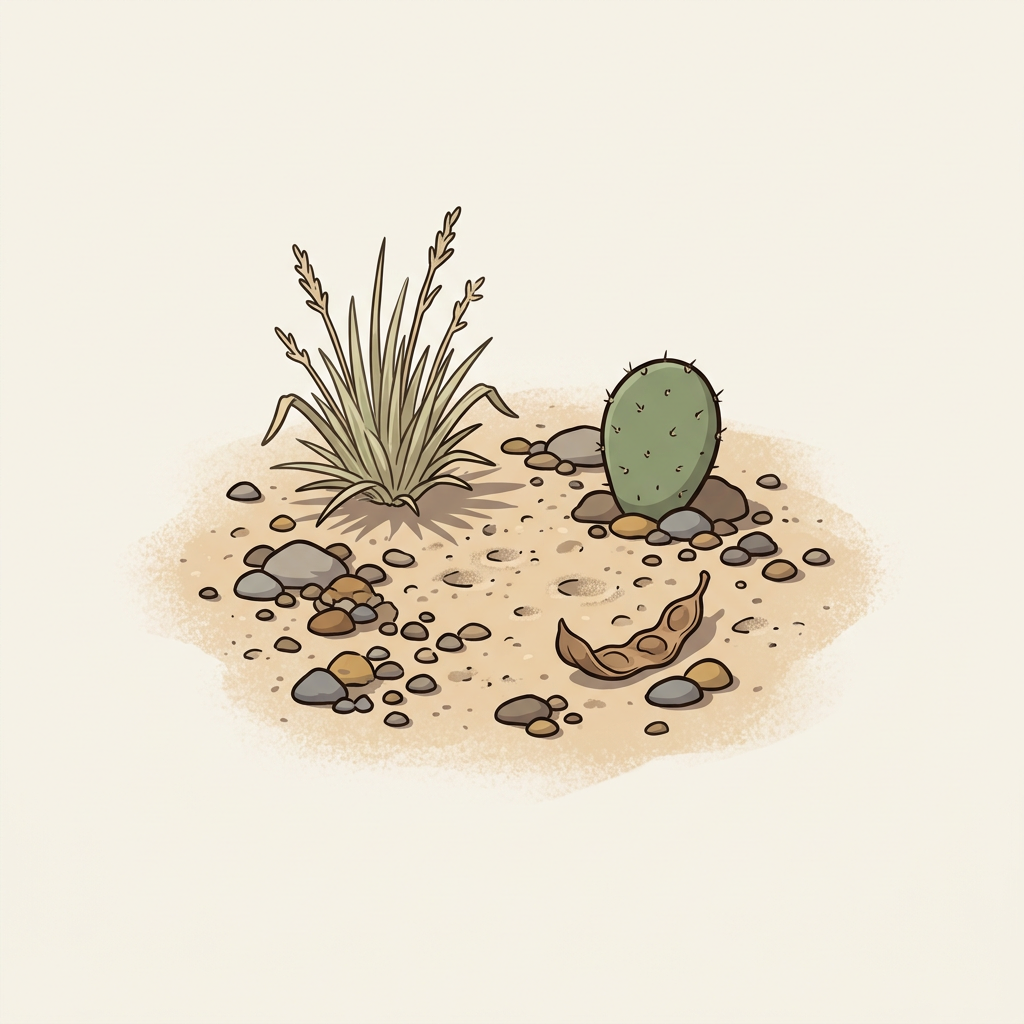
Sandy Soil
Arenaceous substrate
Saprobic substrate
Open sandy or gravel soil — barometer earthstar and other sand-loving saprobes.
Sand-dune specialist with a pink-tinged volva (egg sac). Named for the Roman emperor Hadrian, allegedly because Hadrian collected the species during his travels. Plays a meaningful ecological role in stabilizing mobile dunes by binding sand grains with mycelium.
Habitat
Sand dunes, sandy soils, and disturbed sandy substrates across temperate North America. Coastal dunes (both Atlantic and Pacific) and inland sand plains. Fruits May through September.
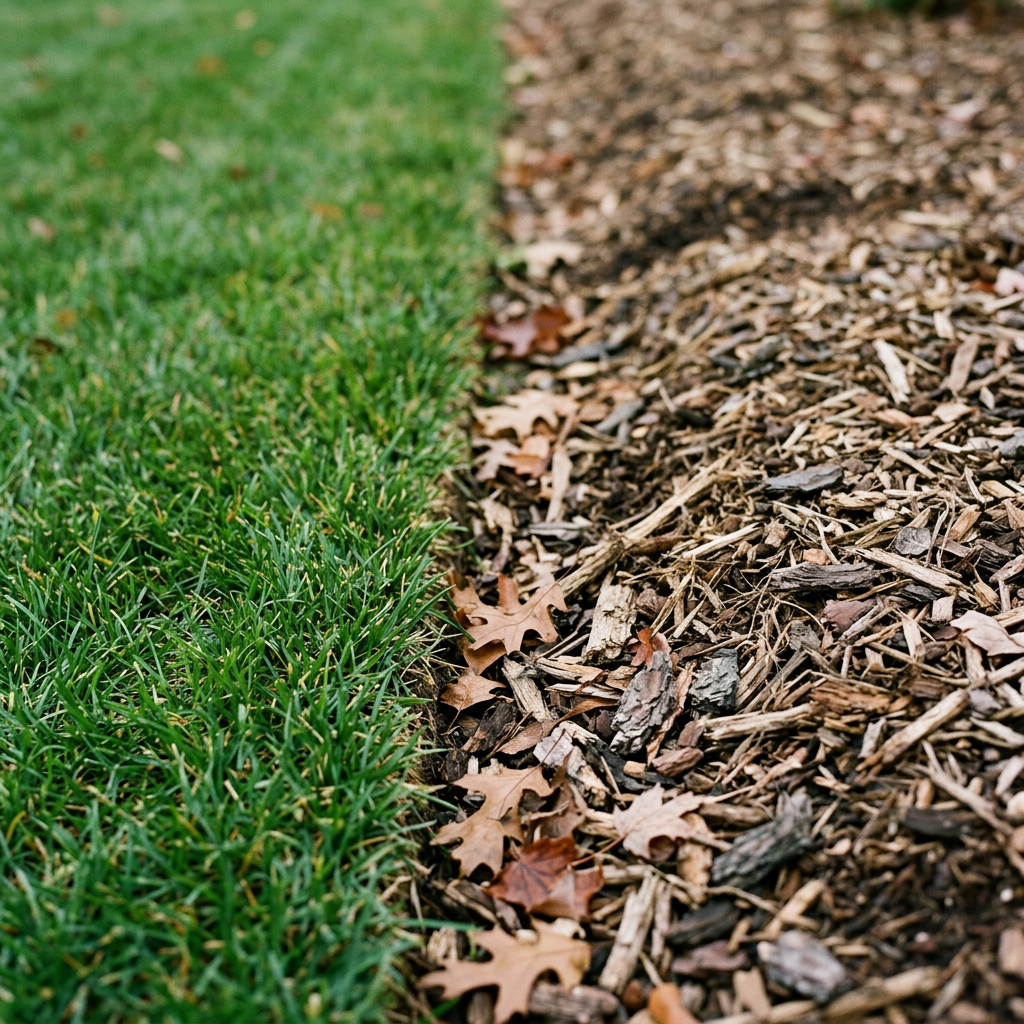
Look for this on the ground
Lawn and wood-chip edge
Manicured lawn meeting fresh hardwood mulch — suburban edge habitat.
Season Windows by Region
Region
Jan
Feb
Mar
Apr
May
Jun
Jul
Aug
Sep
Oct
Nov
Dec
Bitterroot / Sapphire
MT · 3,500–9,000 ft
Clear Creek Canyon / Mayhem Gulch
5,500–8,500 ft
Jones Pass Road
8,000–11,000 ft
Gordon Gulch / Nederland
7,000–9,000 ft
Kenosha Pass
8,000–10,500 ft
Guanella Pass Corridor
9,000–12,000 ft
Vasquez Creek / Winter Park
8,500–11,000 ft
San Juan NF — Pagosa Corridor
7,500–11,000 ft
San Juan NF — Silverton/Durango
8,000–12,000 ft
Grand Mesa
9,000–11,000 ft
Vail / Eagle County
8,000–11,000 ft
Pike NF South / Tarryall
7,500–10,500 ft
Royal Gorge / Wet Mountains
6,500–9,500 ft
Leadville / Arkansas Headwaters
9,000–12,000 ft
Poudre Canyon / Roosevelt NF
6,500–10,000 ft
Rampart Range / Palmer Divide
7,000–9,500 ft
Boise Mountains
ID · 4,000–9,500 ft
Central Cascades / Snoqualmie
WA · 1,500–7,000 ft
Gifford Pinchot / South Cascades
WA · 1,000–8,000 ft
Okanogan Highlands
WA · 2,500–7,500 ft
Mt Hood / North Oregon Cascades
OR · 2,000–8,000 ft
Wasatch Mountains
UT · 5,500–11,500 ft
Manti-La Sal
UT · 6,000–12,700 ft
Sangre de Cristo / Carson NF
NM · 7,000–13,100 ft
Jemez / Santa Fe NF
NM · 6,500–11,200 ft
Santa Fe / Pecos Wilderness
NM · 7,000–12,600 ft
Gila NF / Black Range
NM · 5,500–10,800 ft
Coconino / Flagstaff
AZ · 6,500–10,000 ft
Northern Sierra / Tahoe
CA · 5,000–9,000 ft
Central Sierra / Alpine
CA · 6,000–11,000 ft
South Sierra / El Dorado
CA · 5,000–9,500 ft
Central IL Prairies
IL · 450–850 ft
NW IL Driftless
IL · 600–1,200 ft
Hoosier NF / Brown County
IN · 500–1,050 ft
Central IN
IN · 650–1,050 ft
NE Indiana
IN · 750–1,100 ft
Hocking Hills
OH · 650–1,150 ft
Wayne NF
OH · 600–1,400 ft
SW Michigan
MI · 580–1,000 ft
Central MI
MI · 700–1,400 ft
WI Driftless Area
WI · 650–1,700 ft
Eastern IA River Valleys
IA · 550–1,100 ft
Southern IA
IA · 700–1,300 ft
SE MN Driftless
MN · 650–1,350 ft
Central MN
MN · 900–1,500 ft
Monongahela National Forest
WV · 1,500–4,863 ft
Shenandoah / Blue Ridge
VA · 1,000–4,049 ft
Finger Lakes / Central NY
NY · 500–2,000 ft
Cumberland Plateau
TN · 1,000–3,500 ft
Northwest CT Hills
CT · 400–2,380 ft
Eastern Kansas River Valleys
KS · 750–1,200 ft
NE Kansas Woodlands
KS · 800–1,300 ft
Willamette Valley / Columbia Gorge
OR · 200–1,500 ft
Black Hills NF
SD · 3,200–7,242 ft
Ozark Plateau (NE OK)
OK · 700–1,800 ft
Wichita Mountains
OK · 1,200–2,479 ft
Sam Houston NF
TX · 80–350 ft
Davy Crockett NF
TX · 200–500 ft
Hill Country
TX · 1,000–2,500 ft
Ozark NF
AR · 700–2,700 ft
Western MD / Catoctin
MD · 700–3,360 ft
White Clay Creek
DE · 100–350 ft
NW NJ / High Point
NJ · 400–1,803 ft
Flint Hills
KS · 1,000–1,600 ft
Loess Hills
IA · 1,000–1,500 ft
NE Iowa Driftless / Effigy Mounds
IA · 650–1,250 ft
George Washington NF
VA · 1,000–4,397 ft
Oak Openings / NW Ohio
OH · 620–720 ft
NJ Pine Barrens
NJ · 0–200 ft
Eastern NE / Missouri Bluffs
NE · 900–1,350 ft
SE South Dakota / Newton Hills
SD · 1,300–1,550 ft
Minnesota River Valley
MN · 800–1,150 ft
Osage Hills / Cross Timbers
OK · 700–1,250 ft
Smoky Hills / Wilson Lake
KS · 1,500–1,950 ft
Cape Cod National Seashore
MA · 0–306 ft
Pachaug SF / Eastern CT
CT · 200–500 ft
Trap Pond / DE Bald Cypress
DE · 20–80 ft
Pocomoke / Eastern Shore
MD · 0–50 ft
Theodore Roosevelt NP / Badlands ND
ND · 1,950–2,855 ft
Badlands NP / Sage Creek Wilderness
SD · 2,400–3,340 ft
Angeles NF / San Gabriel Mountains
CA · 1,500–10,064 ft
Los Padres NF / Big Sur
CA · 0–8,831 ft
Chiricahua / Madrean Sky Islands
AZ · 4,500–9,759 ft
Santa Catalina Mountains / Mt Lemmon
AZ · 2,500–9,157 ft
Central NE / Platte & Loup Rivers
NE · 2,300–3,400 ft
Texas Panhandle / Caprock Canyons
TX · 2,000–3,400 ft
Alligator River NWR / Eastern NC
NC · 0–25 ft
Sandia Mountains / Cibola NF
NM · 5,000–10,678 ft
Shasta-Trinity NF
CA · 1,500–14,179 ft
Mendocino NF / Yolla Bolly
CA · 1,500–8,092 ft
Sequoia NF / Kern Plateau
CA · 1,500–9,000 ft
Siuslaw NF / Oregon Dunes
OR · 0–4,097 ft
Colville NF / Selkirks
WA · 1,800–7,309 ft
Black River SF / Driftless WI North
WI · 700–1,400 ft
Cross Timbers / LBJ National Grassland
TX · 700–1,200 ft
Lost Pines / Bastrop
TX · 300–700 ft
Coastal Bend / Lake Corpus Christi
TX · 50–400 ft
Arbuckle Mountains / Chickasaw
OK · 700–1,400 ft
Red Hills / Gyp Hills
KS · 1,500–2,200 ft
Mount Blue Sky / Echo Lake
9,000–11,700 ft
Growing Requirements
Min Soil Temp
60°F
Moisture Need
rain 0.5in 7d
Drought Tolerance
moderate
Elevation Range
0–14,179 ft
Look-Alikes
Species to rule out before picking. Each is tagged with its own edibility.
Phallus impudicus
Not dangerousVolva is white in impudicus, pink-tinged in hadriani. Substrate (sand vs. mulch) helps separate.
Identification Tips
- ✓Pink-tinged volva is diagnostic
- ✓Sandy substrate — dunes, beach grass, sandy gardens
- ✓Underground "egg" stage is often longer-lived than in other stinkhorns
Field Notes
Sandy soil, dunes
Found Dune Stinkhorn?
Photograph it and log your observation on iNaturalist. The community can help confirm your ID — always get confirmation before eating.
Safety: Never eat any wild mushroom without 100% certain identification from multiple sources. This page is for informational purposes only. When in doubt, throw it out.