Loading conditions…

Edibility
Toxic
Lookalike Danger
4 / 5
Habitat
💧 Dead willow, riparian hardwood
Season
May – Sep
"Gray silky cap, free pink gills, bluish-greenish tint on the stem base. Dead willow and riparian hardwoods. The only Pluteus widely confirmed to contain psilocybin."
🌳 Host Trees & Plants
This species is found with or partners with the following hosts. Ectomycorrhizal hosts (green border) form a root-level partnership; ericoid / arbutoid shrubs (purple border) share the same mycorrhizal networks.
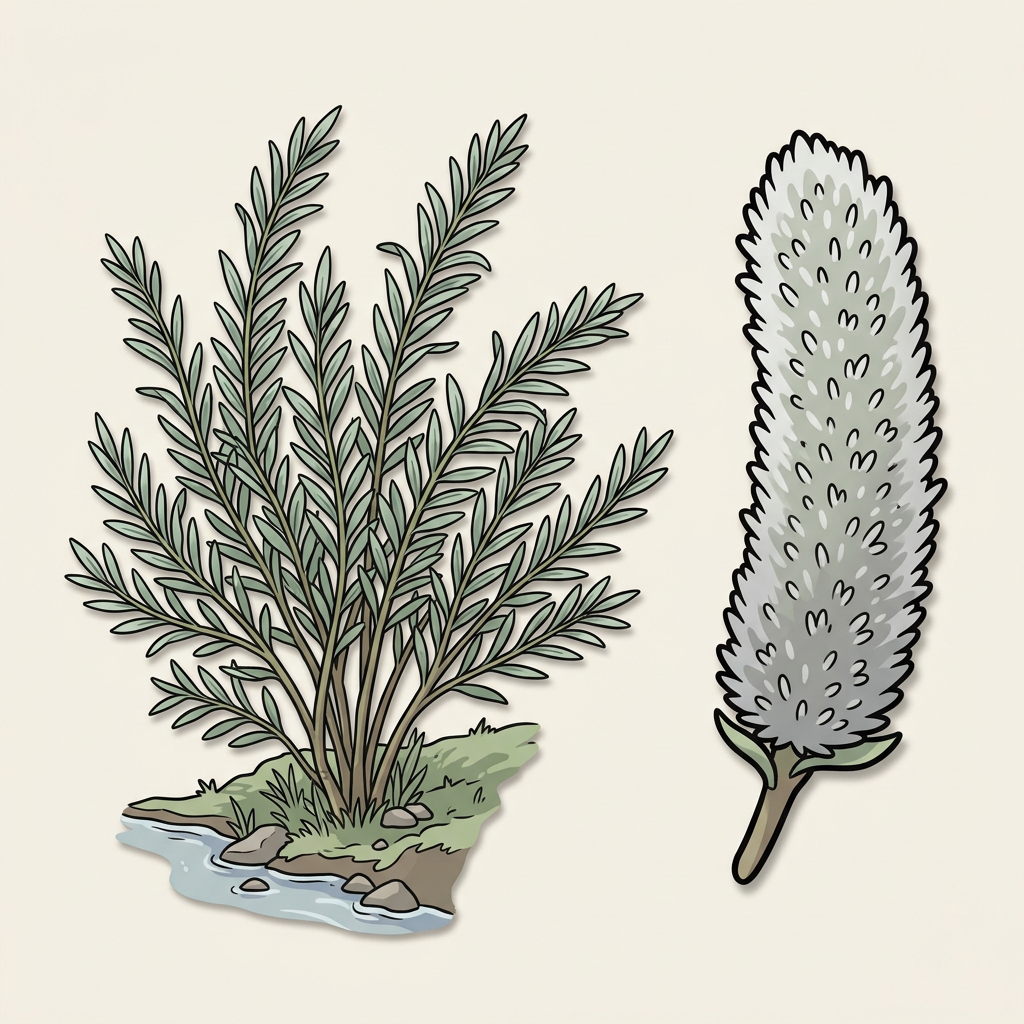
Willow
Salix spp.
Ectomycorrhizal
Leccinum host; riparian habitat.
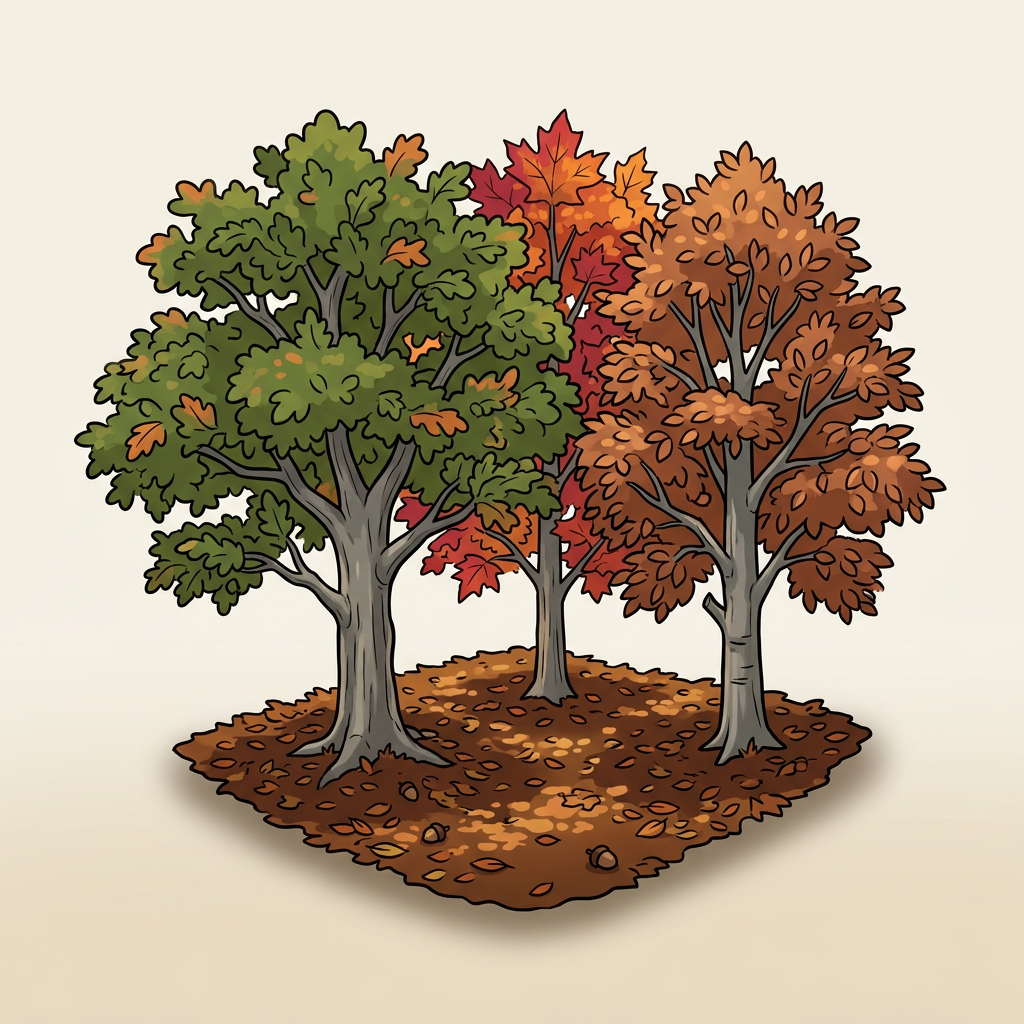
Hardwood Forest
Fagaceae / Betulaceae (generic)
Saprobic substrate
Generic hardwood habitat — oak, maple, beech, birch, etc. Shown when the species is reported from hardwoods generally.
Gray silky cap with free pink gills (Pluteus genus character), stem base showing a bluish-greenish tint. The only Pluteus species widely confirmed to contain psilocybin. Grows on dead willow and other riparian hardwoods.
Habitat
Dead and decaying wood of willow, alder, poplar, and other riparian hardwoods in eastern and central North America. Fruits May through September after rains.
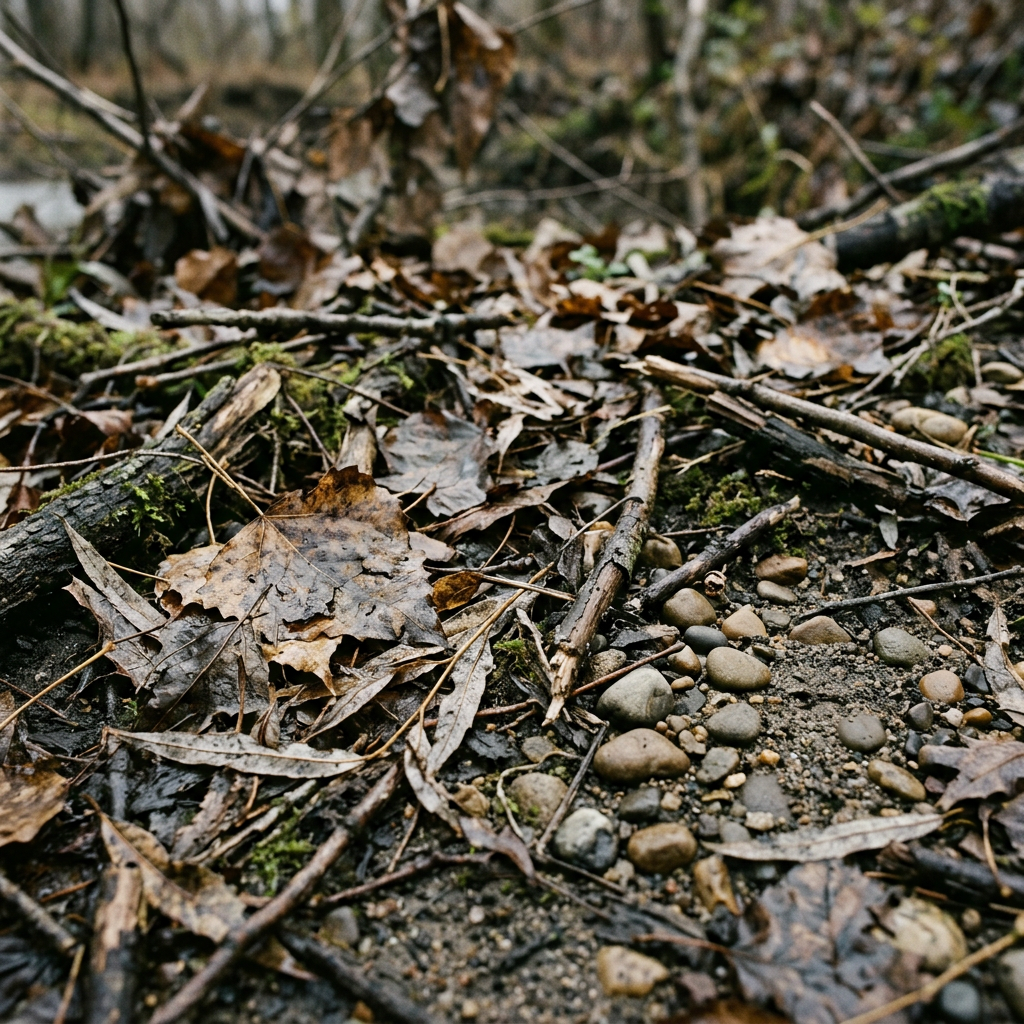
Look for this on the ground
Cottonwood bottomland
Damp gritty soil along creeks, large cottonwood leaves, small river pebbles.
Season Windows by Region
Region
Jan
Feb
Mar
Apr
May
Jun
Jul
Aug
Sep
Oct
Nov
Dec
Hoosier NF / Brown County
IN · 500–1,050 ft
Central IN
IN · 650–1,050 ft
Hocking Hills
OH · 650–1,150 ft
SW Michigan
MI · 580–1,000 ft
Northern Lower Peninsula
MI · 600–1,700 ft
WI Driftless Area
WI · 650–1,700 ft
Shenandoah / Blue Ridge
VA · 1,000–4,049 ft
Allegheny National Forest
PA · 1,000–2,300 ft
Pocono Mountains
PA · 800–2,200 ft
Catskills / Hudson Valley
NY · 400–4,180 ft
Finger Lakes / Central NY
NY · 500–2,000 ft
Western NC Mountains
NC · 2,000–6,684 ft
Green Mountains
VT · 800–4,393 ft
Northwest CT Hills
CT · 400–2,380 ft
NW NJ / High Point
NJ · 400–1,803 ft
NE Iowa Driftless / Effigy Mounds
IA · 650–1,250 ft
George Washington NF
VA · 1,000–4,397 ft
Laurel Highlands
PA · 1,200–3,213 ft
NJ Pine Barrens
NJ · 0–200 ft
Catskills North / Mountain Lakes
NY · 800–4,000 ft
Growing Requirements
Min Soil Temp
55°F
Moisture Need
rain 0.5in 7d
Drought Tolerance
low
Elevation Range
0–6,684 ft
Commonly Mistaken For
Species people confuse with this one — often the edible they were hunting for. Each is tagged with its own edibility; Willow Shield is the dangerous one.
Pluteus cervinus (Deer Mushroom)
EdibleSame gill character and habitat (dead wood). NOT psychoactive; edible but bland. P. cervinus has brown cap; P. salicinus is grayer with bluish stem base.
Other Pluteus species (~50 in NA)
PsychoactiveMost are not psychoactive. Microscopic confirmation often needed for species ID.
Identification Tips
- ✓Free pink gills (gills do not attach to the stem)
- ✓Bluish-greenish stem base
- ✓Pink spore print
- ✓Willow and other riparian hardwoods
Field Notes
Dead willow, riparian hardwood
Found Willow Shield?
Photograph it and log your observation on iNaturalist. The community can help confirm your ID — always get confirmation before eating.
Safety: Never eat any wild mushroom without 100% certain identification from multiple sources. This page is for informational purposes only. When in doubt, throw it out.