Loading conditions…

Edibility
Edible
Lookalike Danger
2 / 5
Habitat
🪵 Conifer/hardwood logs
Season
Sep – Nov🌱 Now
"A velvety brown late-fall bracket that weeps amber droplets when fresh. Tender and aromatic young; woody with age."
🌳 Host Trees & Plants
This species is found with or partners with the following hosts. Ectomycorrhizal hosts (green border) form a root-level partnership; ericoid / arbutoid shrubs (purple border) share the same mycorrhizal networks.
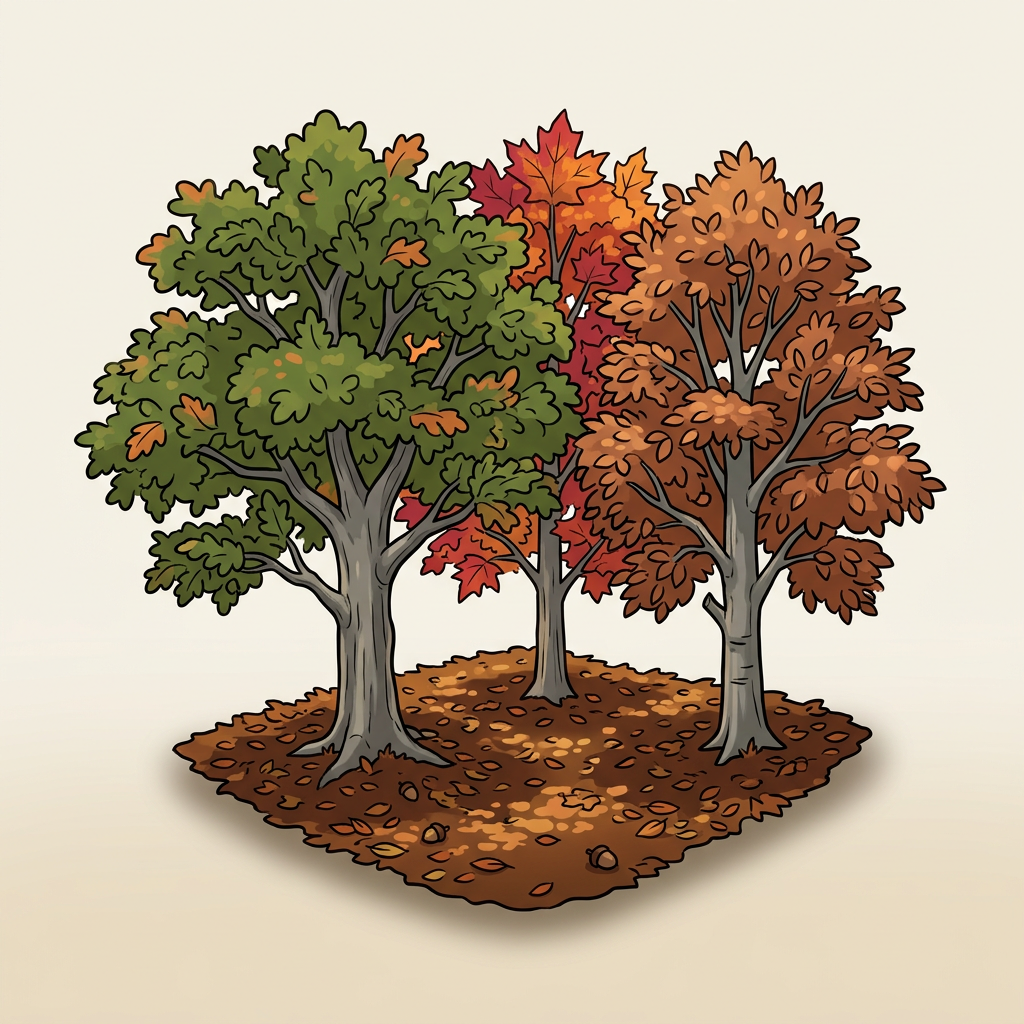
Hardwood Forest
Fagaceae / Betulaceae (generic)
Saprobic substrate
Generic hardwood habitat — oak, maple, beech, birch, etc. Shown when the species is reported from hardwoods generally.
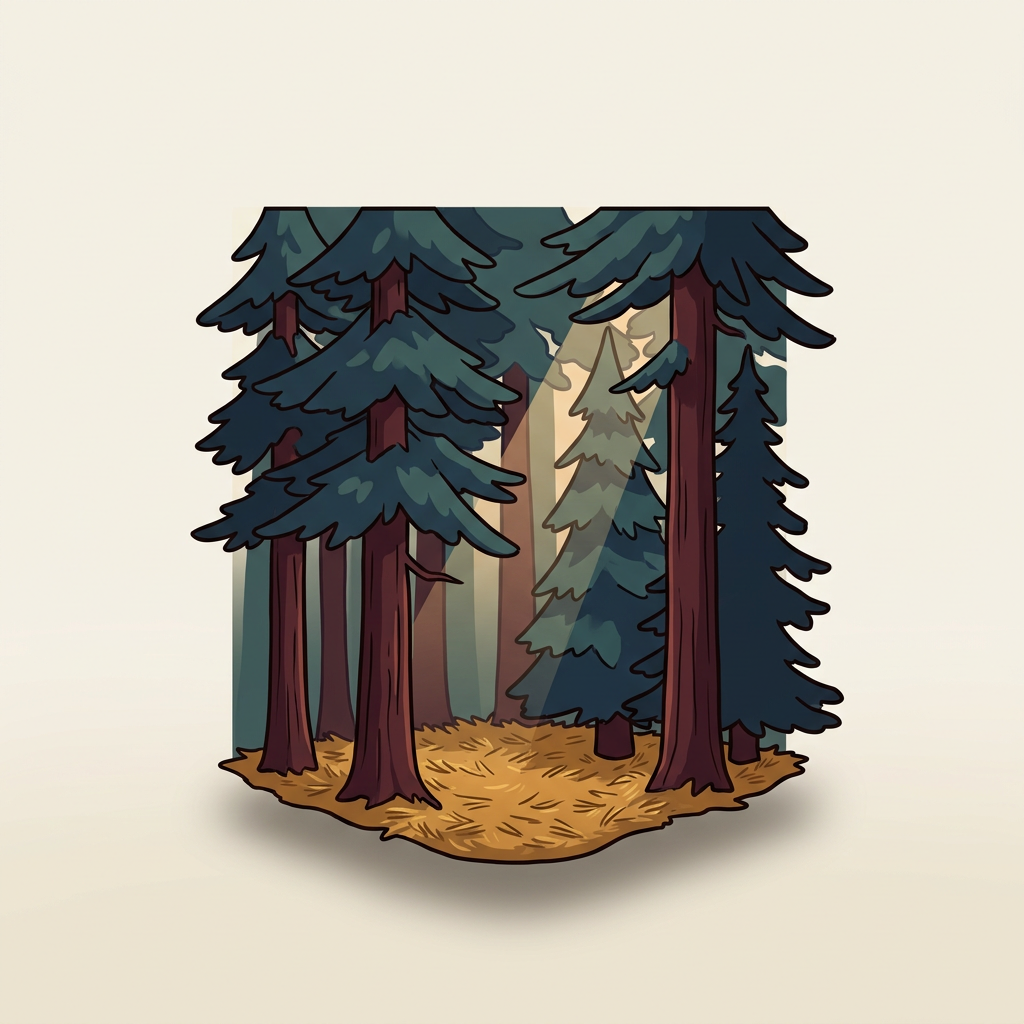
Conifer Forest
Pinaceae (generic)
Ectomycorrhizal
Generic conifer habitat — pine, spruce, fir, hemlock, or Douglas-fir. Shown when the species is reported from conifers without a specific tree.
A fleshy bracket 5–20 cm across with a velvety, zoned brown to reddish-brown cap and a thick white margin that often weeps amber droplets when fresh. The white pore surface bruises brown quickly when touched. Young fruitbodies are soft and juicy; with age they turn dark brown, dry and leathery-tough.
Habitat
Across North America, most common in the Midwest and East, on recently dead hardwood logs and stumps (not well-rotted wood), sometimes spreading over the underside of a log. Mostly a late-season species, from September into early winter.
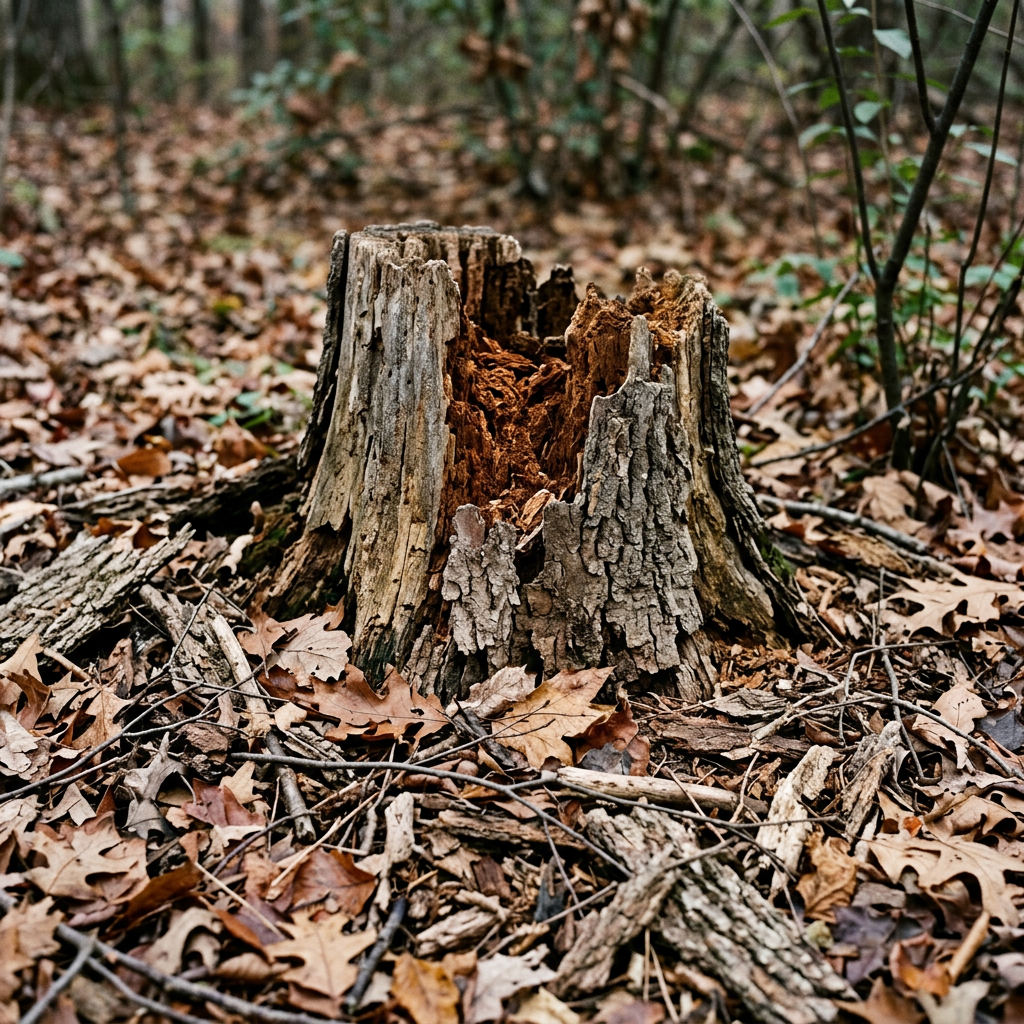
Look for this on the ground
Dead hardwood stump
Weathered oak/maple stump, bark sloughing off, exposed rotting heartwood.
Look-Alikes
Species to rule out before picking. Each is tagged with its own edibility.
Ischnoderma benzoinum (Benzoin Bracket)
Not dangerousNot dangerous. A near-twin on conifer wood, with thinner, flatter caps and darker flesh; some mycologists treat the two as one species.
Ganoderma applanatum (Artist's Conk)
Not dangerousNot poisonous but woody and inedible. Hard and perennial from the start, with a dull gray-brown crust — it is never soft and fleshy like a young resinous polypore.
Identification Tips
- ✓Pick only young brackets that are soft and can be cut easily; if your knife drags, it is too tough
- ✓Press the pore surface — quick brown bruising plus amber droplets on the margin confirm it
- ✓Trim off the tough attachment point and simmer the tender edges for rich broth or slice thin to sauté
- ✓Check the same log in consecutive falls; it often returns
Checked against: mushroomexpert.com · en.wikipedia.org · mushroom-appreciation.com
Found Resinous Polypore?
Photograph it and log your observation on iNaturalist. The community can help confirm your ID — always get confirmation before eating.
Safety: Never eat any wild mushroom without 100% certain identification from multiple sources. This page is for informational purposes only. When in doubt, throw it out.