Loading conditions…

Edibility
Inedible
Lookalike Danger
1 / 5
Habitat
🪵 Dead hardwood
Season
Year-round🌱 Now
"The most-recorded fungus on Earth and possibly the most genders (23,000+ mating types). Too tough to eat here; the source of medicinal schizophyllan."
🌳 Host Trees & Plants
This species is found with or partners with the following hosts. Ectomycorrhizal hosts (green border) form a root-level partnership; ericoid / arbutoid shrubs (purple border) share the same mycorrhizal networks.
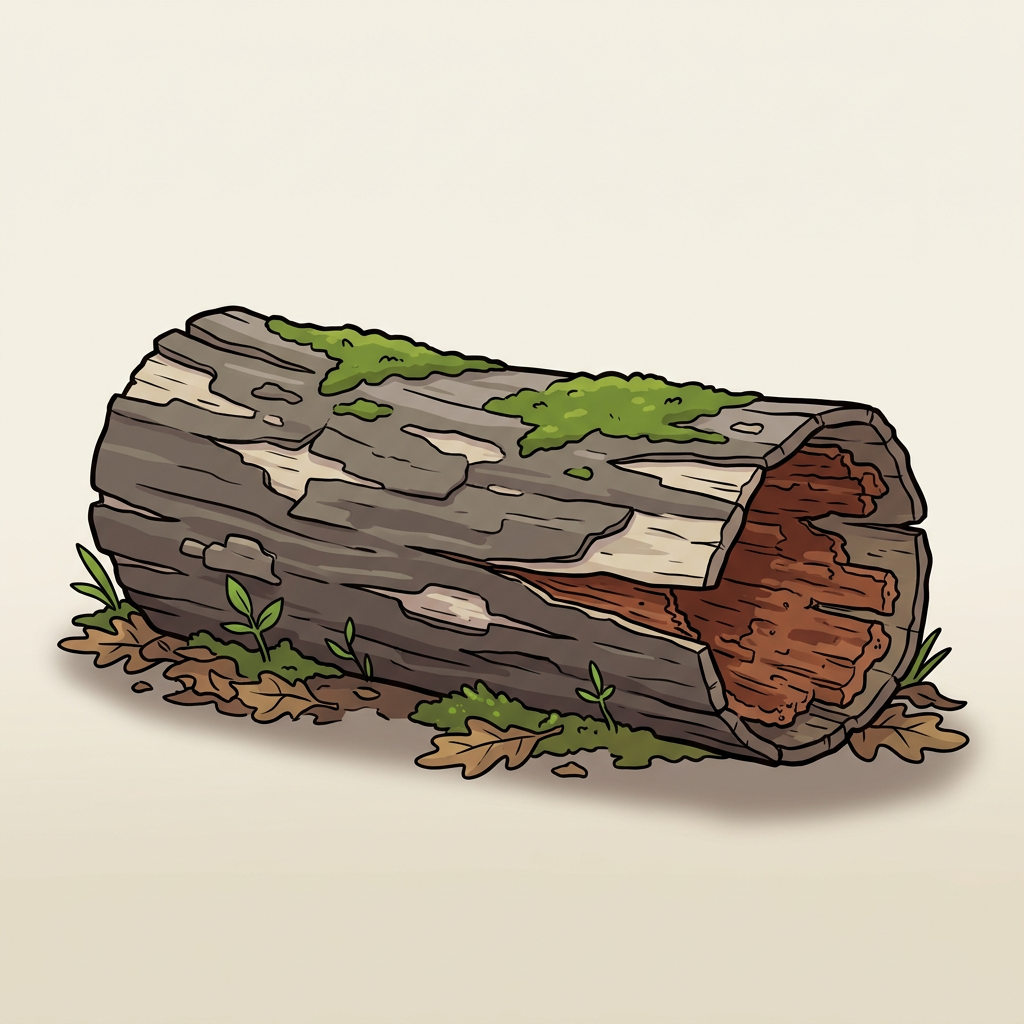
Dead Hardwood
Saprobic substrate
Saprobic substrate
Fallen logs, stumps, and dying hardwood — substrate for oyster, turkey-tail, dryad’s saddle, and most hardwood saprobes.
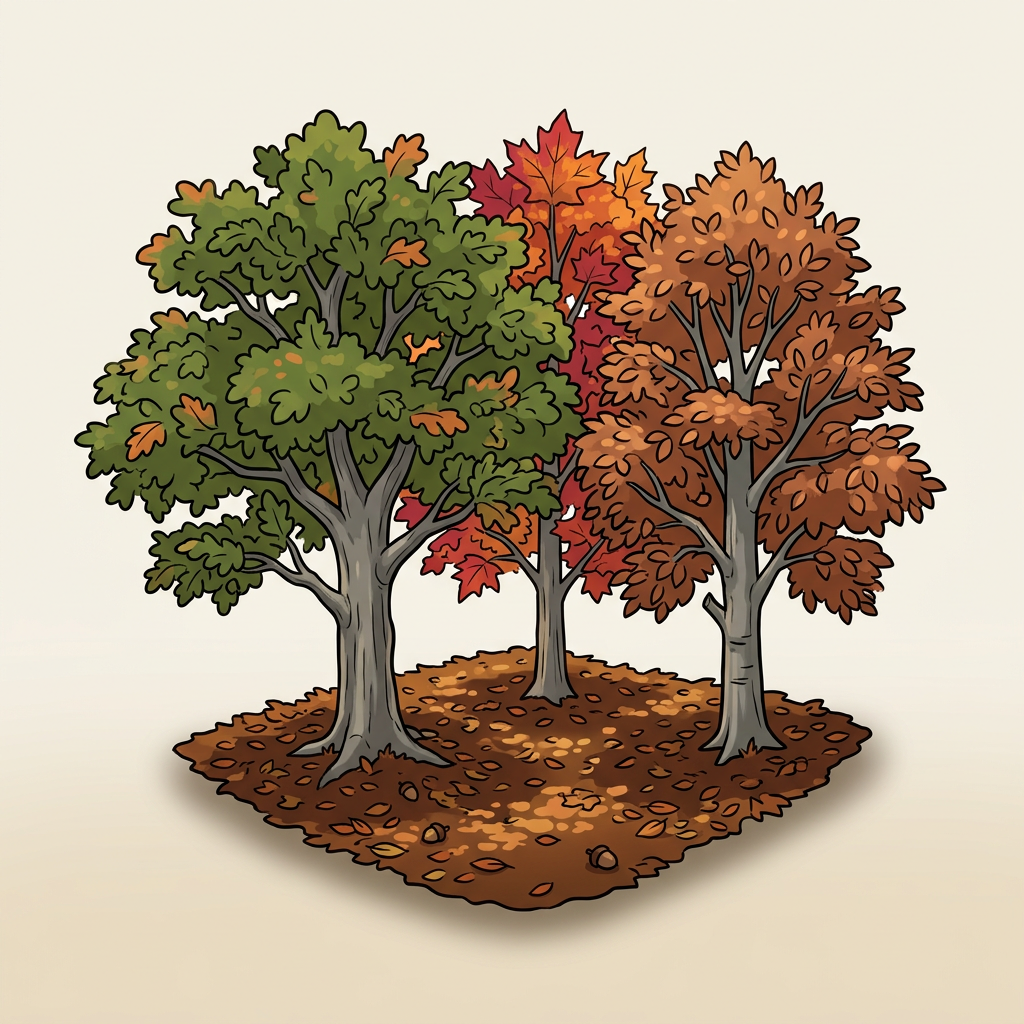
Hardwood Forest
Fagaceae / Betulaceae (generic)
Saprobic substrate
Generic hardwood habitat — oak, maple, beech, birch, etc. Shown when the species is reported from hardwoods generally.
Small (1–4 cm), stemless, fan- or shell-shaped caps that are white to grayish and densely hairy, attached directly to wood like tiny brackets. The underside looks gilled, but each 'gill' is a fold split lengthwise down the middle — a unique feature visible with a hand lens. Fruitbodies are leathery, shrivel in dry weather, and revive when wet.
Habitat
Found across all of North America (and every continent except Antarctica) on dead hardwood branches, logs, stumps, and even cut lumber and wood chips. Can be found year-round, since dried specimens persist and reopen with rain.
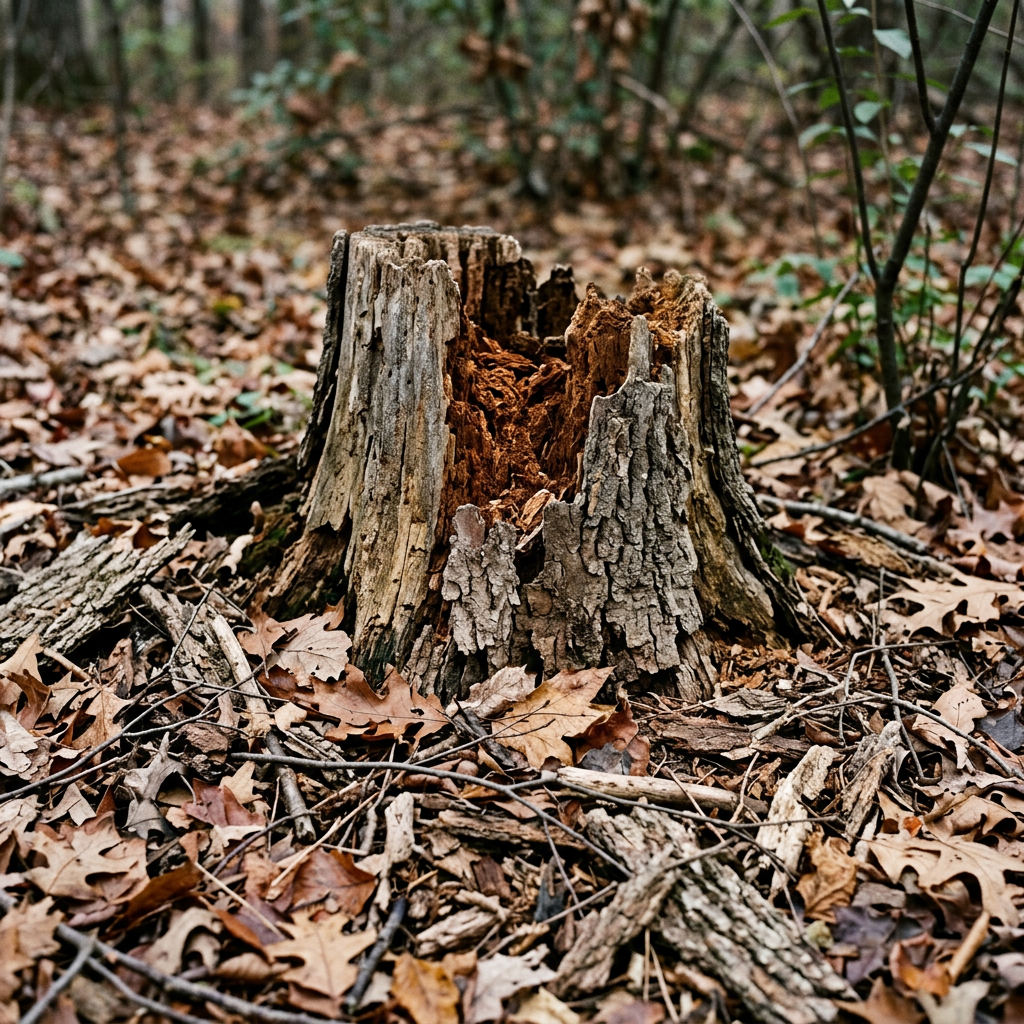
Look for this on the ground
Dead hardwood stump
Weathered oak/maple stump, bark sloughing off, exposed rotting heartwood.
Look-Alikes
Species to rule out before picking. Each is tagged with its own edibility.
Trametes versicolor (Turkey Tail)
Not dangerousNot dangerous; used as a medicinal tea. Has a pore surface underneath instead of split gill-folds, and colorful concentric bands on top.
Stereum spp. (Parchment Crusts)
Not dangerousNot dangerous; inedible. The underside is smooth, with no gills or pores.
Identification Tips
- ✓Look closely under a lens — the split, doubled gill edges are the diagnostic feature
- ✓Check dead twigs and logs in dry spells; the curled-up specimens rehydrate within hours of rain
- ✓Avoid handling or inhaling from heavily sporulating colonies if you are immunocompromised
- ✓Great for teaching, not for the table — the texture stays rubbery no matter how it is cooked
Checked against: mushroomexpert.com · en.wikipedia.org · maxapress.com
Found Split Gill?
Photograph it and log your observation on iNaturalist. The community can help confirm your ID — always get confirmation before eating.
Safety: Never eat any wild mushroom without 100% certain identification from multiple sources. This page is for informational purposes only. When in doubt, throw it out.