Loading conditions…
← Back to MyCodex
Blue-Foot PsilocybePsilocybe caerulipes

Edibility
Toxic
Lookalike Danger
5 / 5
Habitat
🌳 Decaying hardwood
Season
Jun – Sep
"Native northeastern Psilocybe. The stem base bruises a startling indigo blue. Easy to confuse with Deadly Galerina on the same hardwood debris — only the blue bruising tells them apart."
🌳 Host Trees & Plants
This species is found with or partners with the following hosts. Ectomycorrhizal hosts (green border) form a root-level partnership; ericoid / arbutoid shrubs (purple border) share the same mycorrhizal networks.
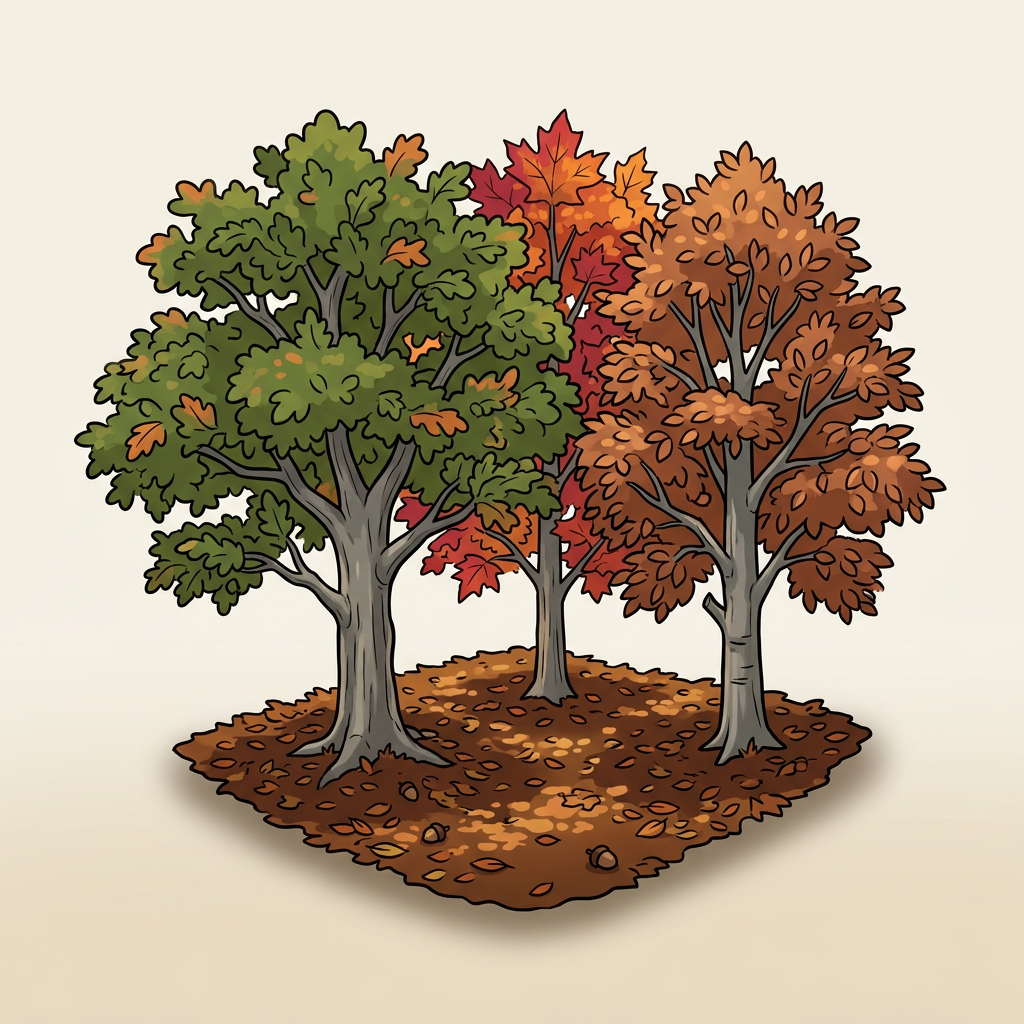
Hardwood Forest
Fagaceae / Betulaceae (generic)
Saprobic substrate
Generic hardwood habitat — oak, maple, beech, birch, etc. Shown when the species is reported from hardwoods generally.
Native northeastern North American Psilocybe. Small caramel-brown cap on a slender stem; the species name "caerulipes" means "blue foot" — the stem base bruises an unmistakable indigo blue. Reduced population in recent decades due to forest succession.
Habitat
Decaying hardwood debris in cool deciduous forests from West Virginia and Tennessee north to Maine and Quebec. Summer fruiter — June through September.
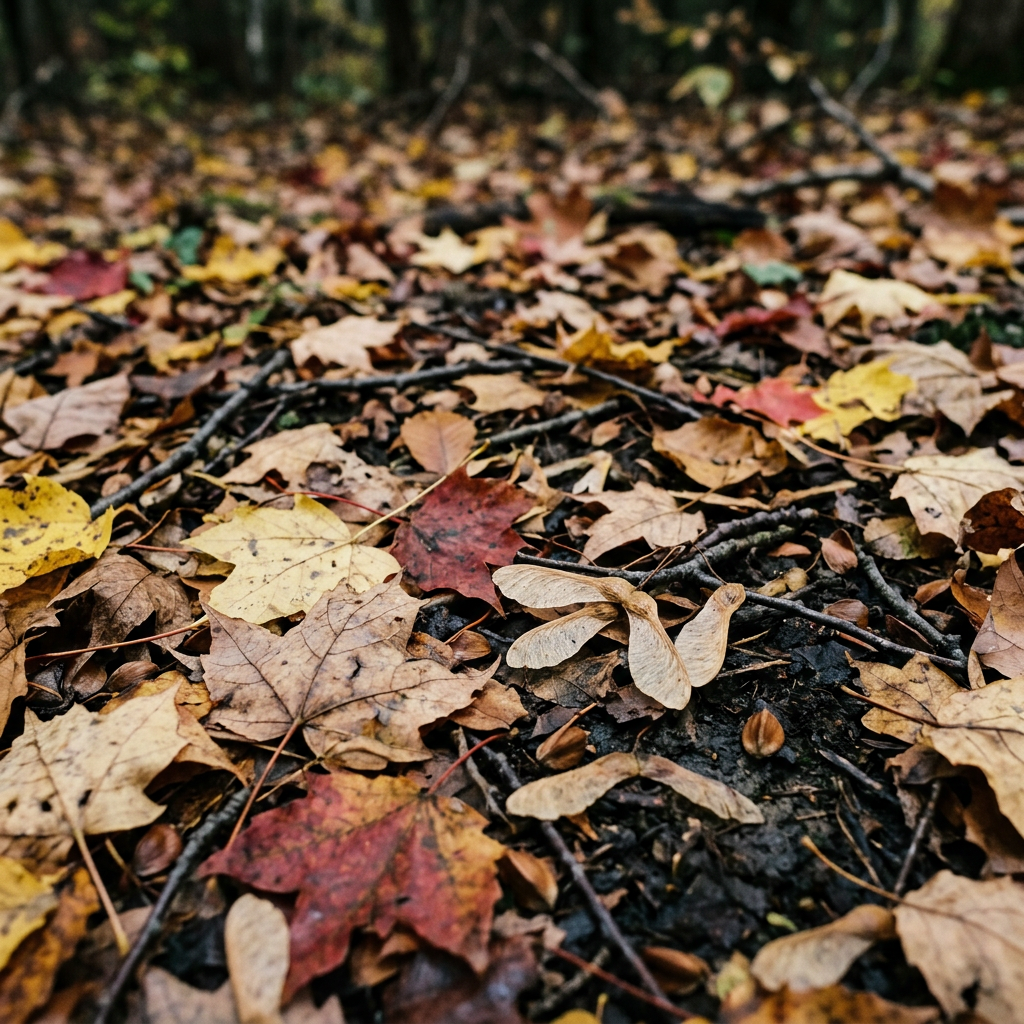
Look for this on the ground
Mixed hardwood litter
Layered fallen leaves of maple, beech, birch, hickory — eastern deciduous floor.
Season Windows by Region
Region
Jan
Feb
Mar
Apr
May
Jun
Jul
Aug
Sep
Oct
Nov
Dec
NE Ohio
OH · 650–1,350 ft
Upper Peninsula
MI · 600–1,979 ft
Monongahela National Forest
WV · 1,500–4,863 ft
Shenandoah / Blue Ridge
VA · 1,000–4,049 ft
Southwest Virginia Highlands
VA · 2,000–5,729 ft
Central PA Ridges
PA · 800–2,500 ft
Allegheny National Forest
PA · 1,000–2,300 ft
Pocono Mountains
PA · 800–2,200 ft
Catskills / Hudson Valley
NY · 400–4,180 ft
Finger Lakes / Central NY
NY · 500–2,000 ft
Western NC Mountains
NC · 2,000–6,684 ft
Foothills / Piedmont Transition
NC · 800–2,500 ft
Acadia / Down East
ME · 0–1,530 ft
White Mountains
NH · 800–6,288 ft
Lakes Region / Southern NH
NH · 300–1,800 ft
Green Mountains
VT · 800–4,393 ft
Northeast Kingdom
VT · 600–3,300 ft
Berkshires / Western MA
MA · 500–3,491 ft
Northwest CT Hills
CT · 400–2,380 ft
White Clay Creek
DE · 100–350 ft
NW NJ / High Point
NJ · 400–1,803 ft
George Washington NF
VA · 1,000–4,397 ft
Adirondacks
NY · 1,000–5,344 ft
Laurel Highlands
PA · 1,200–3,213 ft
Cherokee NF
TN · 1,000–6,285 ft
NJ Pine Barrens
NJ · 0–200 ft
Mon NF South / Cranberry Wilderness
WV · 2,500–4,863 ft
Catskills North / Mountain Lakes
NY · 800–4,000 ft
Western NY / Allegany SP
NY · 1,500–2,400 ft
Pine Creek / North-Central PA
PA · 800–2,400 ft
Hiawatha NF / Eastern UP
MI · 600–1,100 ft
Mid-Coast Maine
ME · 0–800 ft
Connecticut River Valley / NH
NH · 300–1,500 ft
Growing Requirements
Min Soil Temp
55°F
Moisture Need
rain 0.5in 7d
Drought Tolerance
low
Elevation Range
0–6,684 ft
Commonly Mistaken For
Species people confuse with this one — often the edible they were hunting for. Each is tagged with its own edibility; Blue-Foot Psilocybe is the dangerous one.
Galerina marginata (Deadly Galerina)
DeadlyDEADLY. Identical habitat and similar size. Galerina does not bruise blue. The single most lethal misidentification in eastern North American Psilocybe hunting.
Pholiotina rugosa
DeadlyDEADLY (amatoxins). Lawn-edge habitat; smaller and paler.
Identification Tips
- ✓The blue stem base is diagnostic — if no blue, it is not this species
- ✓Hardwood substrate, never conifers
- ✓Summer fruiter — most other US Psilocybes are fall
Field Notes
Decaying hardwood
Found Blue-Foot Psilocybe?
Photograph it and log your observation on iNaturalist. The community can help confirm your ID — always get confirmation before eating.
Safety: Never eat any wild mushroom without 100% certain identification from multiple sources. This page is for informational purposes only. When in doubt, throw it out.